English
 Español
Plastic Cosmetic Jars vs. Glass: The Real Cost and Performance Breakdown
While glass jars often project a premium image, the operational and logistical advantages of plastic are difficult to ignore.
Weight and Shipping Economics
A typical 50ml glass jar weighs approximately 180g, while an equivalent PET jar tips the scales at just 35g—a reduction of over 80%. This weight difference directly impacts shipping costs, particularly for direct‑to‑consumer brands. For a mid‑size skincare brand shipping 10,000 units monthly, switching from glass to plastic can save over USD 5,000 per year in freight charges alone.
Durability and Damage Reduction
Plastic cosmetic jars are virtually unbreakable during standard handling and transit. Glass jars, on the other hand, experience breakage rates of 2‑5% in e‑commerce shipments. Each broken jar not only results in product loss but also triggers customer dissatisfaction, returns, and replacement costs. Plastic eliminates this risk, making it the safer choice for high‑volume fulfillment.
Cost‑Per‑Unit Comparison
Plastic jars typically cost between USD 0.50 and USD 1.50 per unit, while glass jars range from USD 1.00 to USD 3.00. When you factor in the higher logistics and insurance costs associated with glass, the total cost advantage of plastic can exceed 40‑60%. For emerging brands and mass‑market products, this price gap often dictates the packaging decision.
Material Choices: Which Plastic Is Right for Your Product?
Not all plastics are created equal. The selection of material directly impacts product stability, aesthetic appeal, and recyclability.
Polypropylene (PP): The Workhorse of Skincare
Polypropylene dominates the segment due to its excellent chemical resistance, low moisture absorption, and stability across a wide temperature range. PP jars are compatible with most oil‑based, water‑based, and active formulations, making them the default choice for creams, lotions, and ointments. Additionally, PP is widely accepted in recycling streams and can incorporate up to 70% post‑consumer recycled content without compromising performance.
PET and PETG: Glass‑Like Clarity Without the Weight
For products where visual appeal is paramount—such as gels, bright‑colored creams, or layered formulations—PET and PETG jars offer exceptional transparency and gloss. They are shatter‑proof and lightweight, yet they mimic the premium look of glass. PETG is a variant with increased impact resistance and chemical compatibility, making it suitable for products with moderate acidity or oil content.
Acrylic (PMMA): The Luxury Option
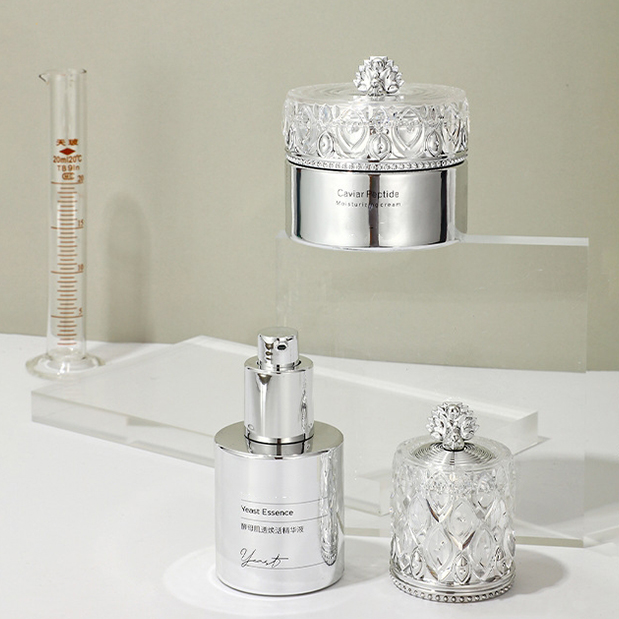
Acrylic jars provide unmatched scratch resistance, crystal clarity, and a high‑end feel. They are often used for prestige skincare lines where the packaging itself conveys luxury. However, acrylic is more expensive and has lower chemical resistance than PP or PET, making it suitable primarily for non‑reactive formulations and decorative jars.
Post‑Consumer Recycled (PCR) and Bio‑Based Resins
The rise of circular packaging has led to a surge in PCR plastics, with many brands now specifying 30‑70% recycled content in their jars. Bio‑based resins, such as those derived from sugarcane or starch, are also entering the market, offering renewable alternatives without sacrificing performance. These options are increasingly cost‑competitive with virgin plastics, especially as demand scales.
Why Plastic Jars Win on Sustainability—Contrary to Popular Belief
Many consumers equate glass with eco‑friendliness, but the full lifecycle picture tells a different story.
Lower Carbon Footprint in Production
Glass manufacturing requires extremely high temperatures (over 1,500°C), resulting in significantly higher energy consumption and CO₂ emissions compared to plastic production. A typical plastic jar emits approximately 30‑50% less CO₂ during manufacturing than a glass jar of equivalent capacity. When transportation weight is factored in, the carbon advantage of plastic becomes even more pronounced.
Recyclability and Mono‑Material Design
Modern plastic jars are increasingly designed as mono‑material components, often using PP or PET with matching cap materials. This eliminates the sorting challenges that plague multi‑material packaging and ensures that the entire jar can be recycled through standard plastics collection streams. Molpack's innovative PET jar with a PP cap and PP interior is a prime example of 100% recyclable design that has gained industry recognition.
Lightweighting and Material Reduction
Advancements in molding technology allow brands to reduce wall thickness while maintaining structural integrity. This "lightweighting" trend reduces material usage by 10‑20% per jar, lowering both cost and environmental footprint. Some packaging engineers have achieved a 30% weight reduction without compromising drop test performance.
Consumer Trends That Are Shaping Plastic Jar Design
Brands are responding to evolving consumer expectations with innovations that keep plastic jars relevant and desirable.
Airless Technology for Preservative‑Free Formulations
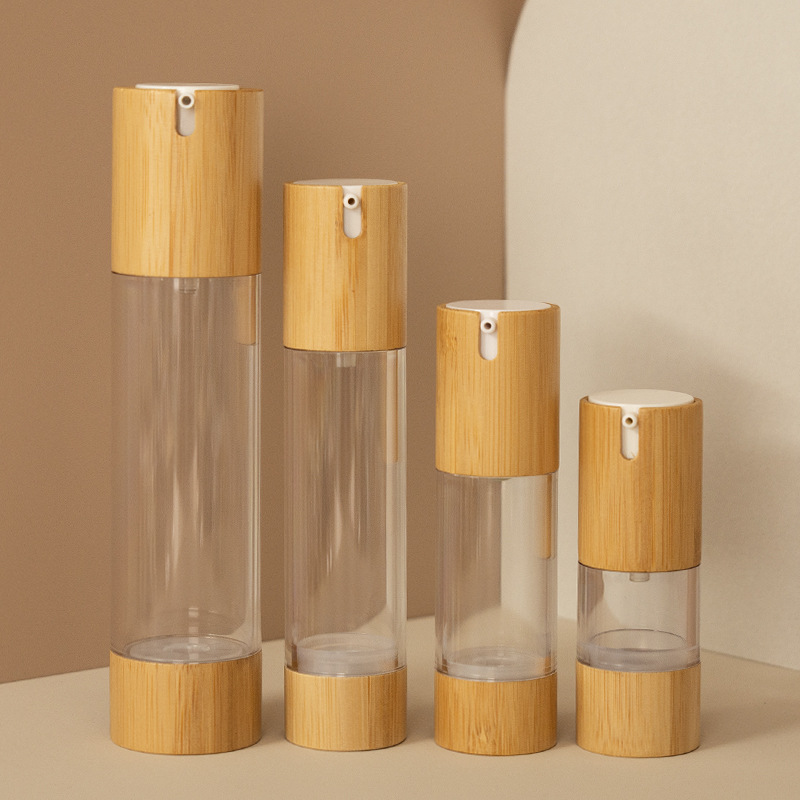
Airless plastic jars use a vacuum or piston system to dispense product without letting air contact the remaining contents. This extends shelf life by up to 50% and reduces the need for preservatives—a feature that aligns perfectly with the growing demand for "clean" beauty. The airless plastic jar market is projected to grow at a CAGR of 7.2% through 2030.
Refillable and Reusable Systems
The inner‑cup refill concept is gaining traction, where consumers purchase a durable outer jar and replace only the product‑containing insert. This reduces packaging waste by 70‑90% and keeps the premium outer shell in use for years. Brands like Kjaer Weis and Tata Harper have successfully implemented such systems, and the trend is now being adopted by mainstream players.
Smart Packaging and Connected Jars
Some high‑end plastic jars now incorporate NFC chips or QR codes that allow consumers to authenticate products, access usage tips, or even reorder refills with a tap of their smartphone. This digital integration enhances brand engagement and provides valuable consumer data—all while using plastic as the carrier.
How to Select the Perfect Plastic Jar for Your Formulation
Choosing the right jar involves more than aesthetics; it requires a deep understanding of your product's chemistry and your brand's operational realities.
Evaluate Chemical Compatibility
Conduct compatibility tests by storing your formulation in the jar for at least 30 days under accelerated conditions (40°C/75% RH). Look for discoloration, cloudiness, or changes in viscosity. PP typically passes most oil‑based and water‑based skincare tests, while PET may show sensitivity to certain essential oils or high‑alcohol content.
Match Closure Type to Product Use
Consider whether your product requires a simple screw cap, a child‑resistant closure, or an airless pump. For thick creams, a wide‑mouth jar with a flat cap provides easy access. For serums or lightweight lotions, a pump or dropper may be more appropriate. Always verify that the closure material is compatible with the jar material to prevent warping or leakage.
Size and Portion Control
Standard capacities range from 5 ml (sample size) to 500 ml (professional tubs). Over‑sizing leads to product waste and higher packaging costs; under‑sizing may frustrate consumers. Conduct user testing to determine the optimal volume for your application.
Branding and Aesthetic Customization
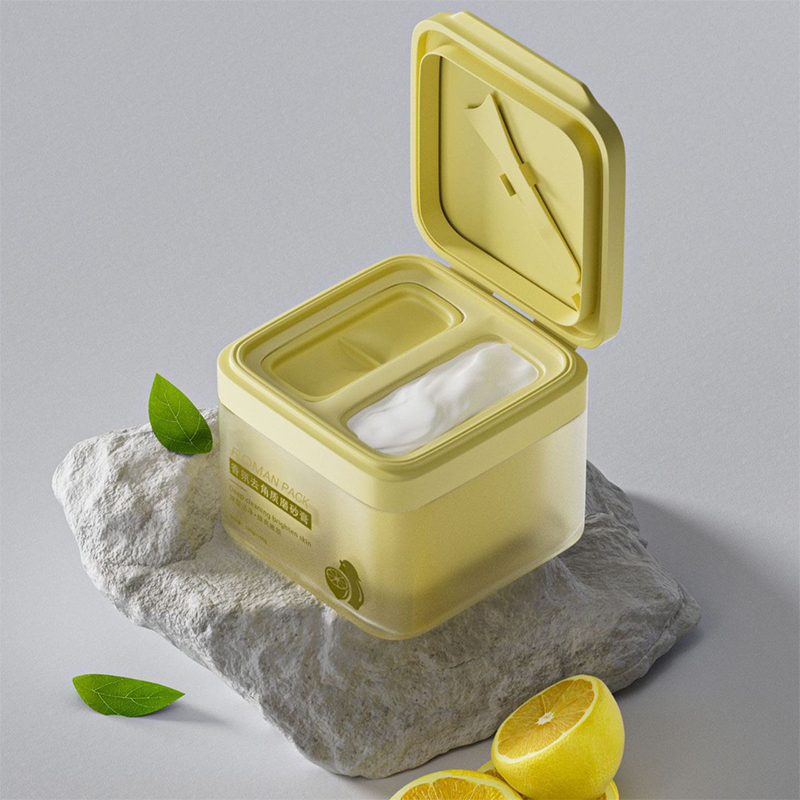
Plastic jars can be decorated through silk screening, hot stamping, shrink sleeves, or in‑mold labeling. Soft‑touch lacquers, frosted finishes, and metallic accents are achievable without compromising recyclability. Work with your supplier to balance visual impact with sustainable design.
Innovation Spotlight: What's New in Plastic Jar Technology?
The plastic jar sector is not standing still. Several innovations are pushing the boundaries of functionality and sustainability.
Double‑Walled Airless Jars: These combine insulation with airless technology, protecting temperature‑sensitive actives while delivering a luxurious weight and feel.
PCR‑Compatible Dyes: Advances in pigment technology now allow deep, rich colors to be achieved even with high PCR content, expanding design possibilities without sacrificing recycling rates.
Biodegradable Additives: While still niche, certain additive packages are being developed that accelerate plastic degradation in landfill conditions without compromising shelf life. These are controversial but may gain traction in regions with limited recycling infrastructure.
Digital Printing Directly on Jars: No‑label looks using direct‑to‑jar digital printing reduce material layers and simplify recycling, offering a clean, modern aesthetic.
Frequently Asked Questions About Plastic Cosmetic Jars
Are plastic cosmetic jars recyclable?
Yes, the vast majority of plastic jars made from PP, PET, or HDPE are recyclable. Mono‑material designs that use a single type of plastic throughout the jar and cap are preferred for efficient recycling. Look for jars with clear recycling codes and check with your local facilities.
What is the best plastic for jar packaging?
Polypropylene (PP) is the most versatile and widely recommended for skincare due to its excellent chemical resistance and recyclability. For products that require high clarity, PET or PETG are better choices. Always test your specific formulation with the chosen material.
Are plastic jars better than glass for the environment?
Plastic jars generally have a lower carbon footprint during production and transport due to lower energy requirements and weight. However, glass is infinitely recyclable without quality loss. The "better" choice depends on your local recycling infrastructure and your brand's priorities—both can be sustainable when designed with circularity in mind.
Can plastic jars be made with recycled content?
Absolutely. Many brands now use PP or PET jars with 30‑70% post‑consumer recycled (PCR) content. Some suppliers offer up to 100% PCR jars, though clarity and color may vary slightly.
What is an airless plastic jar?
An airless jar uses a vacuum or piston mechanism to dispense product without allowing air to contact the remaining contents. This extends product shelf life, reduces oxidation, and minimizes the need for preservatives—making it ideal for sensitive, active formulations.
Do plastic jars leach chemicals into skincare products?
Regulatory bodies like the FDA and EU Cosmetics Regulation strictly control the materials permitted for cosmetic packaging. High‑quality PP, PET, and acrylic jars are inert and do not leach harmful substances under normal use. Always choose food‑grade or cosmetic‑grade plastics from reputable suppliers.
How much do plastic cosmetic jars cost?
Prices range from USD 0.50 to USD 1.50 per unit for standard sizes, depending on material, quantity, and decoration. Premium jars with airless systems or custom molding can cost more, but remain significantly cheaper than glass equivalents.
What are the latest design trends for plastic jars?
Current trends include soft‑touch finishes, pastel and earthy color palettes, frosted and translucent effects, and minimalist labeling. Refillable and reusable systems are also gaining momentum, as are smart features like QR codes and NFC chips.
How should I store products in plastic jars to maximize shelf life?
Store plastic jars in a cool, dry place away from direct sunlight. For products with active ingredients, consider airless jars and use clean spatulas or fingers to avoid contamination. Always close lids tightly after use.
Can plastic jars be used for all types of skincare products?
Plastic jars are suitable for creams, butters, balms, masks, and scrubs. They are less ideal for very fluid products (which may need bottles) or products with extreme acidity (which may require specific liner materials). Always conduct compatibility tests.
What is mono‑material design in plastic jars?
Mono‑material design means the jar and its closure are made from the same type of plastic (e.g., PP) to simplify recycling. This eliminates the need to separate components and increases the likelihood of successful recycling.
Are there biodegradable plastic jars available?
Yes, but they are currently limited to niche applications. Bio‑based plastics (e.g., PLA, PHA) are compostable in industrial facilities but may not be accepted in standard plastic recycling streams. They are best used when clear end‑of‑life pathways exist.
How do I choose a jar supplier?
Look for suppliers with ISO 9001 and GMP certifications, a track record of quality control, and transparent sustainability practices. Request samples for compatibility and performance testing. Consider their ability to provide customization and support for your packaging needs.
What is the future of plastic cosmetic jars?
The future lies in circularity—high PCR content, mono‑material designs, and fully recyclable systems. Airless and refillable formats will continue to expand, and smart packaging will become more common. Plastic jars are evolving to meet consumer demands for both performance and responsibility, ensuring their relevance for decades to come.