English
 Español
Selecting appropriate cosmetic bottles is a fundamental step in product development, brand positioning, and formula preservation within the personal care industry. Cosmetic packaging serves far beyond simple containment. The structural integrity, material composition, and functional mechanics of a container directly affect product shelf life, user convenience, brand identity, and protection against chemical degradation. As skincare, haircare, and cosmetic formulations become more sophisticated, the variety of cosmetic bottles has expanded significantly. Understanding the primary classifications, structural mechanisms, and specific applications of these containers enables brands and manufacturers to select the optimal skincare packaging solution for every unique liquid, gel, or cream formulation.
Classification of Cosmetic Bottles by Material Composition
Material selection dictates how a cosmetic bottle interacts with light, oxygen, ambient temperature, and active chemical ingredients. The chemical compatibility between the formulation and the bottle container prevents container leaching, degradation, or evaporation of essential active compounds.
Glass Cosmetic Bottles
Glass cosmetic bottles represent a traditional yet consistently popular standard in beauty packaging. Renowned for structural weight, optical clarity, and chemical inertness, glass provides an impermeable barrier against oxygen, moisture, and volatile oils.
Soda-Lime and Flint Glass
Flint glass offers high transparency, allowing the natural color and texture of liquid foundations, facial toners, and luxury facial oils to remain visible to the consumer. Soda-lime glass is widely utilized for everyday beauty containers due to its balance of durability, clarity, and cost efficiency. Because glass does not react with organic solvents or active compounds, it is an ideal choice for products containing high concentrations of essential oils, pure vitamin C, acids, or alcohol bases.
Amber and Opal Glass
Amber glass cosmetic bottles serve a protective function by filtering out ultraviolet radiation and visible light wavelengths. Sunlight exposure can degrade delicate active ingredients like retinol, botanical extracts, and cold-pressed oils. Amber glass extends shelf life without necessitating additional synthetic stabilizers inside the formula. Opal glass, recognized for its solid white milky appearance, delivers high UV defense while projecting an elegant aesthetic popular in high-end serum and lotion packaging.
Plastic Cosmetic Bottles
Plastic cosmetic bottles dominate the personal care sector due to lightweight durability, fracture resistance, design flexibility, and cost effectiveness. Different resin types provide distinct physical characteristics tailored to specific formulation needs.
Polyethylene Terephthalate
Polyethylene terephthalate, commonly referred to as PET, is widely celebrated for clear transparency resembling glass while offering impact resistance. PET cosmetic bottles exhibit strong barrier properties against dilute acids, oils, and alcohols, making them ideal for micellar waters, body mists, cleansers, and clarifying facial toners. Additionally, PET is widely accepted in municipal recycling streams, appealing to brands seeking sustainable plastic options.
High Density Polyethylene
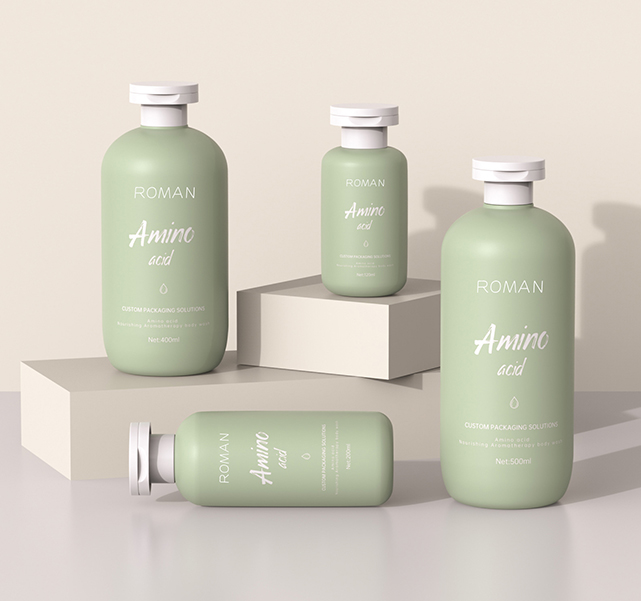
High density polyethylene, or HDPE, is a robust, semi-rigid resin known for its milky translucent or opaque appearance. HDPE cosmetic bottles offer excellent moisture barrier performance and exceptional chemical resistance to acids, alkalis, and oils. Because HDPE does not crack under high impact or drop tests, it is frequently used for shower products, large format body lotions, conditioning shampoos, and professional salon formulations.
Polypropylene
Polypropylene, known as PP, is a tough plastic valued for heat tolerance, flexibility, and fatigue resistance. PP is frequently used for flip top caps, inner bottle liners, airless pump components, and squeeze bottles. Its ability to endure repeated bending without fracturing makes it an industry standard for dispensing closures and squeeze mechanisms.
Acrylic and Polycarbonate
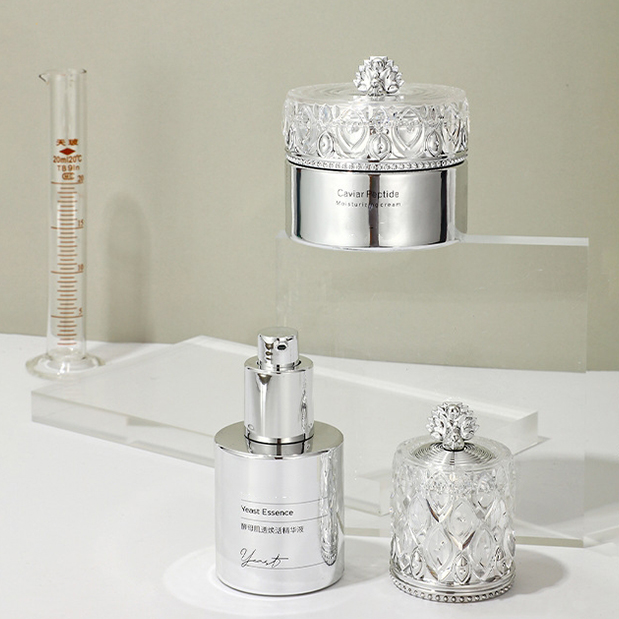
Acrylic cosmetic bottles deliver a thick-walled appearance that mirrors heavy glass while maintaining shatter resistance. Acrylic can be molded into intricate shapes with high clarity, making it popular for luxury moisturizers, double-walled lotion bottles, and premium cosmetic jars.
Aluminum and Metal Cosmetic Containers
Aluminum cosmetic bottles provide total protection against light, oxygen, and moisture. They are lightweight, highly durable, and infinitely recyclable without material degradation. Aluminum containers are routinely coated with a food-grade, chemically inert inner lining to prevent direct interaction between the metal and acidic formulations. They are commonly paired with fine mist sprayers for body mists, dry shampoos, thermal spring waters, and organic essential oil blends.
Comparative Analysis of Cosmetic Bottle Materials
Choosing the right material involves balancing aesthetic appeal, structural protection, user convenience, and formula stability. The table below details the performance characteristics across primary cosmetic bottle materials.
Material Performance Characteristics for Cosmetic Packaging
|
Material Type |
Optical Transparency |
Chemical Resistance |
Moisture Barrier |
Weight & Impact Resistance |
Primary Formulation Pairing |
|---|---|---|---|---|---|
|
Flint Glass |
High Clarity |
Excellent |
Exceptional |
Heavy / Fragile |
High-End Serums, Pure Oils, Perfumes |
|
Amber Glass |
Low Visibility |
Excellent |
Exceptional |
Heavy / Fragile |
Light-Sensitive Actives, Retinol, Oils |
|
PET Plastic |
High Clarity |
Good to Very Good |
Very Good |
Lightweight / Shatterproof |
Cleansers, Toners, Micellar Waters |
|
HDPE Plastic |
Translucent / Opaque |
High Resistance |
Excellent |
Lightweight / High Impact |
Shampoos, Body Lotions, Liquid Soaps |
|
PP Plastic |
Semi-Translucent |
High Resistance |
Very Good |
Flexible / High Fatigue Life |
Squeeze Lotions, Caps, Airless Systems |
|
Acrylic |
High Clarity |
Moderate to Good |
Good |
Rigid / Moderate Impact |
Luxury Creams, Double-Wall Serums |
|
Aluminum |
Opaque |
High (With Liner) |
Exceptional |
Lightweight / Indestructible |
Body Mists, Aerosols, Hair Sprays |
Classification of Cosmetic Bottles by Dispensing Mechanism
The functionality of a cosmetic bottle depends heavily on its dispensing head. The dispensing mechanism affects user hygiene, dosage control, formula preservation, and overall user satisfaction.
Airless Pump Bottles
Airless pump bottles represent an advanced engineering solution designed to protect sensitive cosmetic formulations from air exposure and contamination.
Mechanical Structure and Vacuum Piston System
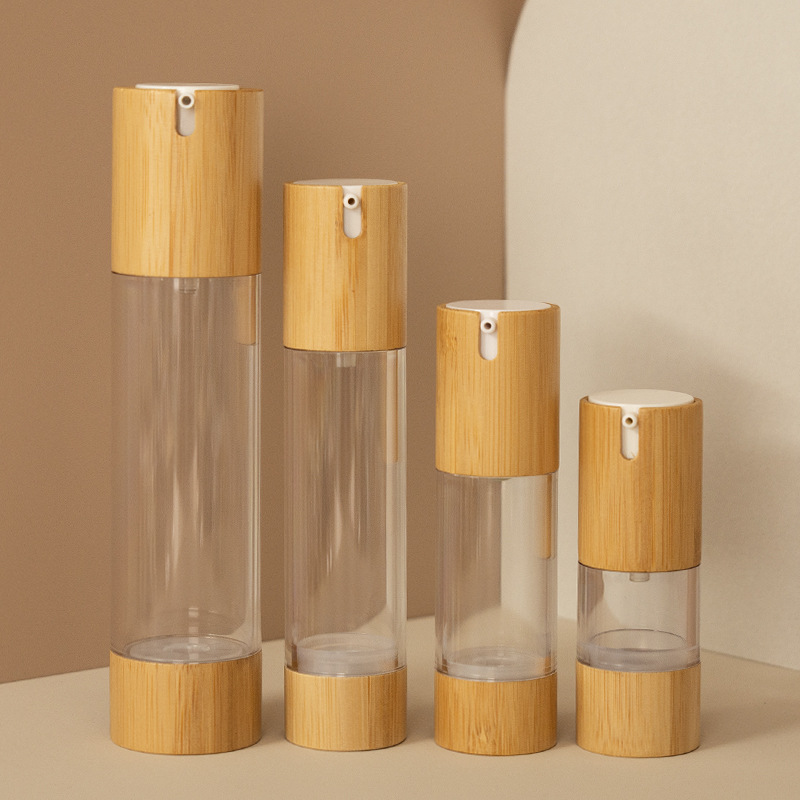
Unlike traditional pump bottles that rely on a dip tube drawing liquid from the bottom, airless pump bottles utilize a smooth non-cavity design paired with a sliding piston mechanism located at the base of the cylinder. As the user depresses the pump head, a vacuum is created, drawing the piston upward and pushing the product through the top nozzle. This system prevents atmospheric air from entering the chamber after every stroke.
Preservation and Dosage Advantages
By eliminating contact with oxygen, airless pump bottles prevent active ingredients from oxidizing and degrading over time. This extends the usable shelf life of delicate formulations like vitamin C treatments, anti-aging creams, peptide complexes, and organic cosmetics, allowing manufacturers to reduce or eliminate chemical preservatives. Furthermore, airless pumps offer consistent dosage precision and near complete product evacuation, leaving minimal residual waste inside the bottle.
Standard Lotion Pump Bottles
Standard lotion pump bottles utilize a internal dip tube coupled with a spring-loaded mechanical valve. When pressed, the internal spring compresses, forcing liquid through the dip tube and out through the nozzle.
These bottles are widely used for products with medium to high viscosity, including body creams, daily facial cleansers, hand lotions, and liquid soaps. Neck finishes for standard lotion pumps typically range from 24/410 to 28/410, providing compatibility with standard industrial bottle molds. Many lotion pumps incorporate a twist-lock feature to prevent accidental discharge during shipping or travel.
Dropper Bottles for Serums and Actives
Dropper bottles offer precise volumetric dosing for low-viscosity liquid formulations. A standard dropper assembly consists of a glass or plastic bottle, a rubber or silicone bulb, a threaded collar, and a glass or plastic pipette tube.
Glass Pipettes and Application
Dropper bottles allow consumers to measure individual drops, making them ideal for concentrated facial serums, facial oils, chemical exfoliants, liquid highlighters, and scalp treatments. The drop-by-drop application prevents product wastage while delivering a clinical aesthetic.
Push-Button Dropper Systems
Modern advancements in dropper design include push-button droppers. Instead of squeezing a flexible bulb, the user depresses an integrated top button to draw liquid into the pipette automatically upon unscrewing the cap. This design improves dosage control and offers a sleek appearance for luxury serum lines.
Spray and Atomizer Bottles
Spray cosmetic bottles convert liquid formulations into a fine mist or targeted spray pattern using an internal pressure nozzle and dip tube assembly.
Fine Mist Atomizers
Fine mist sprayers utilize narrow internal orifice geometries to break liquid into micro-droplets. They are used for facial setting sprays, hydrations mists, floral hydrosols, and perfumes. The fine distribution ensures uniform coverage without leaving large liquid droplets on the face or clothing.
Coarse Spray and Trigger Sprayers
For higher viscosity liquids or products requiring wider surface coverage, such as leave-in hair conditioners, detangling sprays, and tanning oils, coarse spray heads or ergonomic trigger sprayers are preferred. These mechanisms handle denser liquid formulations without clogging or disrupting the spray pattern.
Squeeze Bottles and Precision Tip Containers
Squeeze bottles rely on the mechanical flexibility of low density polyethylene, polypropylene, or thermoplastic elastomers. By pressing the exterior side walls of the container, the user forces the internal product through a narrow discharge orifice.
Squeeze bottles paired with elongated precision tips are widely used for spot treatments, eye creams, liquid concealers, sunscreens, and hair colorants. They offer precise application directly onto target areas while minimizing external contamination risk.
Jars and Wide-Mouth Cosmetic Containers
While technically distinct from narrow-neck bottles, wide-mouth cosmetic jars remain an important category within cosmetic packaging.
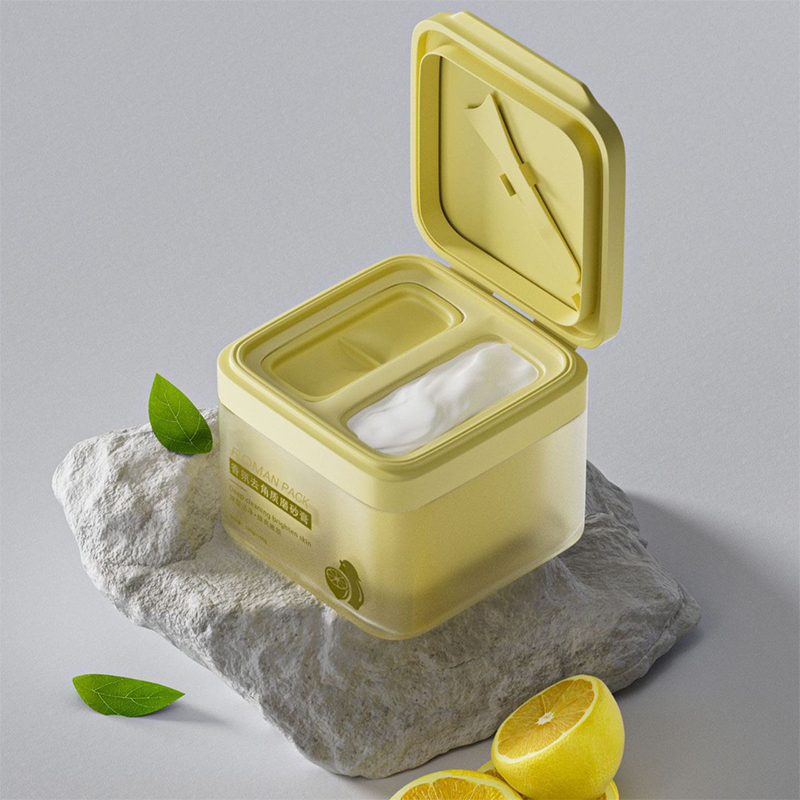
Jars allow easy physical access to highly viscous formulations like thick body butter, clay masks, rich night creams, and exfoliating sugar scrubs that cannot be pulled through a dip tube or narrow pump orifice. Jars are frequently paired with internal protective seals, secondary shims, or cosmetic spatulas to maintain hygienic standards during daily use.
Application Matrix: Matching Cosmetic Products with Ideal Bottle Solutions
Selecting the correct cosmetic bottle requires aligning the formula texture, sensitivity, and application method with the right bottle structure and pump mechanism.
Practical Cosmetic Packaging Selection Guide
|
Product Category |
Formula Viscosity |
Key Formula Sensitivity |
Recommended Bottle Material |
Recommended Dispensing Mechanism |
Primary Practical Benefit |
|---|---|---|---|---|---|
|
Anti-Aging Serums |
Low to Medium |
Light, Oxygen, Oxidation |
Amber Glass or Acrylic |
Airless Pump or Push Dropper |
Prevents degradation of active vitamins and peptides |
|
Daily Body Lotion |
High |
Low |
HDPE or PET Plastic |
Standard Spring Pump |
Easy dispensing for high-volume daily application |
|
Facial Mist / Toner |
Very Low |
Minimal |
PET Plastic or Glass |
Fine Mist Atomizer |
Even, delicate dispersion across facial skin |
|
Organic Facial Oils |
Low |
Light Oxidation |
Amber or Opal Glass |
Dropper Pipette |
Controlled drop dosing, excellent chemical stability |
|
Cleansing Gel |
Medium |
Low |
PET or HDPE Plastic |
Lockable Lotion Pump |
Durable under wet bathroom conditions, safe handling |
|
Sunscreen Emulsion |
Medium |
Temperature / Light |
HDPE or Squeeze Tube |
Precision Squeeze Tip |
Portable, shatterproof, targeted application |
|
High-End Perfume |
Very Low |
Volatile Alcohol Base |
Flint Glass |
High-Pressure Atomizer |
Airtight seal prevents evaporation, clear visual appeal |
Primary Uses of Cosmetic Bottles Across Skincare and Beauty Lines
Cosmetic packaging serves specialized functional roles across various segments of the beauty and personal care industry. Each category presents unique physical requirements and formula compatibility challenges.
Facial Skincare Applications
Facial skincare products often contain active botanical extracts, chemical exfoliants, peptides, antioxidants, and vitamins that require secure packaging environment.
Serums and Concentrates
Serums typically feature concentrated, low-viscosity formulations loaded with active molecules like hyaluronic acid, niacinamide, or L-ascorbic acid. Dropper bottles and airless pump bottles are the dominant packaging formats for these preparations. Dropper bottles allow precise dosing, while airless pump bottles protect sensitive ingredients from air exposure, maintaining potency throughout use.
Facial Cleansers and Toners
Cleansers require durable containers capable of handling wet conditions, frequent handling, and larger volumes. PET and HDPE plastic bottles equipped with pump dispensers or flip-top caps are standard. Facial toners and astringents, which have water-like viscosities, are typically housed in clear PET or glass bottles fitted with flow restrictors or fine mist sprayers for controlled application onto cotton pads or directly onto the skin.
Facial Creams and Moisturizers
Lightweight lotion emulsions perform well in airless pump bottles or standard lotion pump containers, which keep the formula hygienic. Heavy, lipid-rich night creams and cold creams are often packaged in glass or double-walled acrylic jars, allowing users to effortlessly scoop out the thick product.
Body Care and Personal Hygiene Applications
Body care formulations are produced in higher volumes and require functional packaging that remains easy to handle during bathing routines.
Body Lotions and Moisturisers
Body lotions are typically sold in medium-to-large capacity containers, usually ranging from 250ml to 500ml. High density polyethylene and PET plastic bottles paired with broad-head pump dispensers are standard. These pumps are designed to dispense higher dosages per stroke, allowing users to apply lotion over large areas efficiently.
Shower Gels and Body Washes
Containers for bath and shower products must withstand high humidity, temperature changes, and accidental drops on hard tiled floors. Shatterproof HDPE and PP squeeze bottles featuring disc-top closures, flip-top caps, or integrated hanging hooks are widely preferred over fragile glass alternatives.
Haircare Formulations
Haircare products vary widely in texture and application, requiring versatile cosmetic bottle mechanisms.
Shampoos and Conditioners
Standard shampoos and hair conditioners rely on large HDPE or PET plastic bottles paired with push-pull closures, flip caps, or heavy-duty pump mechanisms. Ergonomic grips, side ribbing, or squeezable wall thicknesses are incorporated into the bottle design to ensure easy handling with wet, soapy hands.
Hair Sprays, Oils, and Scalp Serums
Targeted scalp treatments and light hair oils utilize narrow glass or PET dropper bottles for direct scalp application. Leave-in conditioners, thermal protectants, and glossing mists use fine mist atomizers or trigger spray bottles, which deliver a wide, even spray pattern over damp or dry hair.
Color Cosmetics and Liquid Fragrances
Color cosmetics and fine fragrances demand high aesthetic precision alongside chemical stability.
Liquid Foundations and Concealers
Liquid foundations contain pigments suspended in silicone or water bases that require stable packaging to prevent separation and texture degradation. Flint glass bottles fitted with precision lotion pumps or integrated dropper caps are standard. They provide clear product visibility, allowing users to match shades easily while ensuring controlled, mess-free dispensing.
Perfumes and Eau de Toilette
Fragrance formulations rely on alcohol-based solvents combined with volatile aromatic oils. High-grade glass bottles are essential because glass is entirely impermeable and non-reactive with ethanol. These bottles are sealed with permanent crimped mist atomizers that prevent alcohol evaporation, preserving the fragrance profile over time.
Technical Factors in Cosmetic Bottle Selection and Design
Choosing the ideal cosmetic bottle solution involves evaluating physical performance, manufacturing constraints, formula chemistry, and user ergonomics.
Formula Viscosity and Rheological Behavior
Viscosity determines how easily a liquid flows through an opening or tube. Low viscosity products like liquid mists flow easily through narrow dip tubes and fine atomizer nozzles. High viscosity creams require wider dip tubes, high-tension internal springs, or airless vacuum systems to draw the product successfully. Understanding the rheology of the formula prevents dispensing failure and ensures a smooth user experience.
Chemical Compatibility and Barrier Properties
Cosmetic formulations often contain active compounds, essential oils, sunscreens, or organic solvents that can interact with lower-grade plastics.
Solvent Interaction and Stress Cracking
Certain essential oils and aromatic compounds can cause stress cracking or softening in polystyrene or low-grade polyethylene containers. Conducting long-term real-time stability testing ensures the selected bottle material does not swell, warp, disfigure, or crack when exposed to the formula over prolonged periods.
Gas Permeability and Oxidation Risks
Oxygen exposure can alter product color, texture, and fragrance profile while degrading active ingredients. Glass and metal offer virtually zero gas permeability, while plastic resins vary in barrier performance. PET offers low oxygen permeability, whereas standard polyethylene displays higher gas permeability, making PET a better choice for oxidation-sensitive lotions.
Surface Finishing and Branding Customization
The visual presentation of a cosmetic bottle communicates brand positioning and attracts target consumers. Modern manufacturing processes offer various surface treatment options.
Silk Screen Printing and Hot Stamping
Silk screen printing applies crisp, durable ink directly onto the surface of glass or plastic bottles, providing a clean design suited for minimal or medical-style skincare lines. Hot stamping uses heat and pressure to transfer metallic foils onto the container surface, adding gold, silver, or rose gold accents popular in luxury beauty lines.
Frosting, Metallization, and Coating
Glass bottles can undergo chemical frosting treatments, transforming clear glass into a smooth translucent matte surface. Plastic bottles can be enhanced through vacuum metallization, applying a thin metallic layer that replicates solid chrome or gold while keeping the container lightweight. Outer spray coatings allow manufacturers to create gradient colors, soft-touch matte finishes, or high-gloss surfaces that elevate the tactile user experience.
Thermal Label Application
Pressure-sensitive labels and shrink sleeves offer versatile design options for complex full-color graphics. Transparent clear labels produce a seamless look on glass and PET bottles, creating the illusion that text and graphics are printed directly onto the container wall.