English
 Español
Selecting the correct container for cosmetic and dermatological formulations plays a pivotal role in product efficacy, shelf life preservation, and brand identity. Skincare formulas contain complex active ingredients such as antioxidants, hydroxy acids, botanical extracts, and peptides that require specific environmental protections against air exposure, light radiation, and microbial contamination. Packaging engineers and cosmetic chemists evaluate numerous packaging formats to ensure that the physical packaging matches the viscosity, chemical composition, and application method of the formula.
Among the various materials available on the market today, the plastic skincare bottle remains one of the most widely implemented solutions across mass-market, indie, and professional dermatological brands. However, understanding the complete spectrum of bottle designs requires analyzing both dispensing mechanisms and material compositions. This comprehensive guide details the distinct types of skincare bottles available, examining how each mechanism and material impacts formula stability, consumer experience, and aesthetic presentation.
[Image: A clean display of diverse skincare bottles including airless pump plastic bottles, glass dropper bottles, and fine mist spray containers filled with cosmetic lotions and serums]
Categorizing Skincare Bottles by Dispensing Mechanism
The dispensing mechanism determines how a consumer interacts with a product and directly controls how much environmental exposure the formula receives during daily use. Choosing an incompatible dispensing system can lead to premature oxidation, product drying, or inefficient usage.
Airless Pump Skincare Bottles
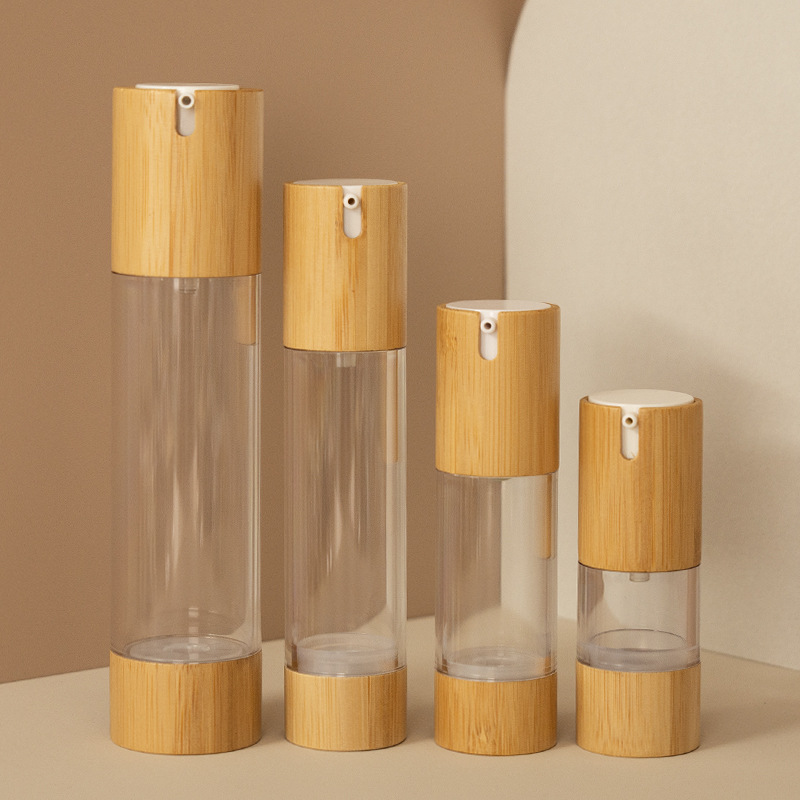
Airless pump containers represent a major advancement in cosmetic packaging technology. Unlike traditional pump mechanisms that rely on a dip tube to draw liquid upwards, an airless system operates through a non-pressurized vacuum design. The structure features a rising piston situated at the base of the bottle. As the user depresses the pump head, a vacuum effect is created, pulling the piston upward and pushing the liquid out through the nozzle without allowing ambient air to re-enter the chamber.
Using an airless plastic skincare bottle offers distinct advantages for sensitive formulations containing active ingredients like Vitamin C, Retinol, or L-ascorbic acid. Because atmospheric oxygen is kept out of the container, oxidation rates are substantially reduced, allowing manufacturers to lower preservative concentrations while maintaining extended shelf stability. Furthermore, airless pump systems allow near complete evacuation of the product, often reaching over ninety-five percent product evacuation, which reduces product waste for the end user.
Airless containers are typically constructed using polypropylene or polyethylene terephthalate glycol, which provides structural integrity and high chemical resistance. Heavy wall plastic skincare bottle variations can also simulate the weight and clarity of solid glass while providing the shatterproof benefits inherent to engineered polymers. These containers are ideal for mid-to-high viscosity creams, gels, and emulsion serums.
Standard Pump Dispenser Bottles
Standard pump bottles utilize a classic dip tube extending from the pump engine down to the interior base of the bottle reservoir. When the user depresses the actuator, air pressure forces the product up through the tube and out of the spout. Internal ball valves and springs regulate the flow, resetting the pump after each stroke.
These dispensers are extraordinarily versatile and are widely paired with a standard plastic skincare bottle for products like daily facial cleansers, body lotions, micellar waters, and liquid soap formulations. Pump heads can be engineered with various dosage outputs, typically ranging from zero point two milliliters to two milliliters per stroke, depending on the intended application area.
To enhance safety during transport and daily handling, standard pump heads frequently feature twist lock mechanisms or clip locks. Lockable pump heads prevent accidental discharge during shipping or when stored inside a personal travel bag. Manufacturers often utilize high density polyethylene or recyclable polyethylene terephthalate to form the bottle body, resulting in a lightweight, durable, and cost-effective packaging solution.
Dropper Bottles and Pipette Containers
Dropper bottles, often referred to as pipette bottles, consist of a rigid body paired with a screw cap assembly that holds a squeezable bulb and a hollow glass or plastic tube. By squeezing the flexible bulb, the user draws liquid into the tube and releases precise, countable drops onto the skin or fingers.
This container design is traditionally associated with concentrated treatment serums, facial oils, liquid exfoliants, and specialized skin drops. The visual aesthetic of a dropper bottle conveys a clinical or apothecary feel, which aligns well with targeted treatment lines. Dropper systems provide precise dosing control, which is essential when applying potent actives that require specific drop counts per application.
However, traditional dropper bottles expose the internal product to ambient air every time the cap is unscrewed and removed. Additionally, the pipette tube can come into contact with skin or hands if used incorrectly, introducing potential bacterial contamination back into the bottle. For this reason, formulas packaged in standard dropper containers require robust preservative systems to withstand repeated exposure to environmental elements.
Squeeze Bottles and Flexible Tubes
Squeeze bottles rely on manual pressure applied to the external walls of the container to displace liquid through a small aperture or narrow tip nozzle. These containers are manufactured using flexible materials such as low density polyethylene or specialized plastic laminates that flex without creasing or cracking permanently.
A squeeze plastic skincare bottle is commonly chosen for low-to-medium viscosity emulsions, sunscreens, spot treatments, and fluid foundation formulas. The narrow tip nozzle allows users to deposit tiny amounts of product directly onto target areas with high accuracy. Because the container walls collapse slightly as product is consumed, squeeze bottles minimize internal void space and limit air volume within the chamber.
From a practical standpoint, flexible squeeze containers are highly portable, shatterproof, and lightweight. They offer an accessible, low cost packaging option that holds up exceptionally well during travel and rough handling, making them popular for daily sunscreen lines and active lifestyle skincare collections.
Spray and Atomizer Bottles
Spray bottles, or atomizers, utilize an engine designed to break liquid formulations into a fine mist or vapor upon expulsion. The pump mechanism pressurizes the fluid and forces it through a micro-orifice inside the spray head, creating an even pattern of tiny droplets.
Atomizer containers are almost exclusively paired with ultra-low viscosity, watery liquids such as facial toners, hydrating mists, setting sprays, and essence waters. The primary benefit of a fine mist spray bottle is touchless application. Users can apply product evenly across the face and neck without needing to rub the skin, which is beneficial for sensitive or post-treatment skin conditions.
Material selection for spray bottles often favors clear polyethylene terephthalate or aluminum, as structural rigidity is required to handle the internal pump action. The clarity of clear plastic skincare bottle designs allows consumers to monitor remaining fluid levels easily, while internal dip tubes are calibrated to rest precisely at the bottom corner of the vessel to ensure maximum product usage.
Comparative Overview of Bottle Dispensing Systems
Selecting the right dispensing mechanism requires matching the formulation properties with the container functionality. The following matrix illustrates how key dispensing types align with formulation parameters and user requirements.
|
Dispensing Mechanism |
Ideal Viscosity Range |
Atmospheric Exposure Level |
Product Evacuation Rate |
Primary Target Formulations |
|---|---|---|---|---|
|
Airless Pump System |
Medium to High Viscosity |
Minimal to None |
High, often exceeding 95% |
Retinol creams, Vitamin C serums, delicate emulsions |
|
Standard Dip Tube Pump |
Low to Medium Viscosity |
Moderate during usage |
Moderate, leaves residue at base |
Daily facial cleansers, body lotions, face washes |
|
Pipette Dropper Assembly |
Ultra Low to Low Viscosity |
High upon opening |
High with manual control |
Face oils, liquid serums, concentrated peel liquids |
|
Flexible Squeeze Bottle |
Low to High Viscosity |
Moderate to Low |
High with manual compression |
Sunscreens, spot gels, travel cleansers, eye creams |
|
Fine Mist Atomizer |
Watery, Ultra Low Viscosity |
Low inside closed system |
High |
Facial toners, mist mists, setting liquids, soothing waters |
Types of Skincare Bottles Classified by Material
While dispensing mechanisms govern functionality, the material composition of the bottle defines its physical durability, chemical compatibility, weight, clarity, and sustainability profile.
[Image: Close up view of plastic skincare bottle samples highlighting different finishes including matte high density polyethylene, clear acrylic double wall, and recycled post consumer plastic]
Plastic Skincare Bottle Types and Polymers
Plastics dominate the global cosmetic packaging market due to their versatility, low transport weight, impact resistance, and design adaptability. However, not all plastics possess identical properties. Multiple distinct polymer resin types are used to create a plastic skincare bottle, each providing unique functional advantages.
Polyethylene Terephthalate
Polyethylene terephthalate, commonly designated as PET, is widely recognized for its glass-like transparency, lightweight nature, and strong impact strength. PET containers offer a high barrier against moisture, alcohol, and mild chemical compounds, making them a popular choice for toners, micellar waters, and fluid lotions. Additionally, PET is widely accepted in curb-side recycling programs, making a recyclable plastic skincare bottle made from PET an accessible option for brands prioritizing consumer recyclability.
High Density Polyethylene
High density polyethylene, or HDPE, is an opaque or translucent polymer known for its chemical stability, toughness, and moisture resistance. HDPE is structurally rigid and exhibits excellent resistance to acids, bases, and essential oils. Because it resists stress cracking, an HDPE plastic skincare bottle is frequently chosen for heavy cleansers, chemical exfoliants, and sunscreens. Its matte or semi-gloss natural surface provides a solid foundation for direct screen printing and custom color masterbatches.
Polypropylene
Polypropylene, abbreviated as PP, is a rigid, thermally stable polymer frequently utilized for internal bottle components, pump engines, cap closures, and airless bottle inner chambers. PP exhibits exceptional chemical fatigue resistance and can withstand higher temperatures without warping. While slightly less clear than PET, PP is highly durable and serves as a core material for modern custom plastic skincare bottle packaging where precision engineering is required for moving parts.
Polyethylene Terephthalate Glycol
Polyethylene terephthalate glycol, known as PETG, is a modified variation of PET that offers increased clarity, toughness, and chemical resistance. PETG can be molded into thick-walled structures without clouding, allowing manufacturers to create a heavy wall plastic skincare bottle that visually mirrors glass while maintaining complete shatter resistance. PETG is compatible with complex chemical formulations that might otherwise cause standard PET to stress-crack.
Acrylic and Polymethyl Methacrylate
Acrylic containers are often utilized in luxury cosmetic packaging to achieve a heavy, crystalline appearance. Acrylic is frequently deployed in double-wall bottle designs, where an inner bottle made of PP or PETG holds the formula, and an outer shell of transparent acrylic provides a thick, weight-bearing chassis. This construction creates a premium visual depth while insulating the internal product from ambient temperature fluctuations.
Post Consumer Recycled Plastics
Post consumer recycled polymers, commonly known as PCR, represent resins formulated from recycled municipal plastic waste. Incorporating PCR into a plastic skincare bottle allows brands to reduce dependence on virgin fossil fuel resins. PCR can be blended with virgin PET or HDPE at varying percentages, such as twenty-five percent up to one hundred percent PCR content. Using PCR maintains high functional performance while significantly decreasing environmental manufacturing footprints.
Glass Skincare Bottles
Glass has long been regarded as a classic packaging material within the cosmetics industry. Its non-porous surface provides chemical inertness, ensuring that zero chemical leaching occurs between the container wall and the formula inside.
Glass containers are generally categorized into clear flint glass, frosted glass, and colored glass such as amber, cobalt blue, or emerald green. Amber glass provides natural defense against ultraviolet light, protecting photosensitive active ingredients like essential oils, botanical extracts, and pure antioxidants from light degradation.
Despite its premium aesthetic and thermal stability, glass carries notable disadvantages regarding mass transit and consumer convenience. Glass is significantly heavier than plastic alternatives, which increases freight expenses and transport energy consumption. Furthermore, glass is susceptible to shattering upon impact, making it less suitable for shower environments or travel cosmetics compared to a resilient plastic skincare bottle.
Aluminum and Metal Skincare Containers
Aluminum packaging has grown in popularity as an alternative to both glass and traditional plastics. Aluminum bottles are lightweight, completely opaque, and virtually unbreakable.
Because aluminum provides a total light and oxygen barrier, it effectively guards formulas against oxidation and UV degradation. Aluminum bottles are frequently paired with pump or spray caps for body mists, cleansers, and hair oil lines. To prevent chemical reactions between liquid formulas and the raw metal surface, internal food-grade epoxy or resin liners are applied during the bottle manufacturing process.
Material Selection Guide for Cosmetic Brands
Choosing among plastic, glass, and metal involves weighing multiple physical and commercial metrics. The comparative framework below outlines how these materials behave across key operational factors.
|
Performance Characteristic |
Plastic Skincare Bottle Packaging |
Glass Bottle Containers |
Aluminum Metal Packaging |
|---|---|---|---|
|
Impact Resistance |
Exceptional, highly shatterproof |
Low, prone to breaking upon impact |
High, resists breaking, may dent |
|
Container Weight |
Extremely lightweight |
Heavy, increases transport costs |
Lightweight |
|
UV Light Protection |
Varies, clear to opaque options available |
High in amber or UV-coated variants |
Complete barrier protection |
|
Recyclability Stream |
High in PET, HDPE, and PP resins |
Universally recyclable |
Universally recyclable |
|
Design Flexibility |
High, easily molded into custom shapes |
High, limited by wall thickness |
Moderate, mostly cylindrical forms |
|
Chemical Inertness |
Good, requires compatibility testing |
Absolute, zero reaction with liquids |
Requires interior protective lining |
Specialized Skincare Bottle Designs for Targeted Formulations
Beyond standard single-chamber bottles and single-material compositions, specialized cosmetic packaging designs exist to address unique formulation challenges, complex active ingredients, and emerging sustainability standards.
[Image: Structural diagram showcasing a dual chamber plastic skincare bottle with two separate internal reservoirs leading to a unified dual pump dispensing head]
Dual Chamber and Multi Compartment Bottles
Dual-chamber bottles contain two separate internal reservoirs within a single exterior package, paired with either two distinct pumps or a unified dual-dispensing head. This design keeps two reactive or incompatible ingredients isolated from one another until the exact moment of application.
For example, certain anti-aging treatments require keeping pure Vitamin C in one chamber and a hyaluronic acid gel in the second chamber to prevent premature ingredient degradation or premature reaction. When the user depresses the actuator, the two formulas are dispensed simultaneously in precise ratios, allowing fresh mixing right on the skin.
Dual-chamber systems can be engineered as an all plastic skincare bottle assembly using PP inner cartridges surrounded by a sleek outer case. This specialized architecture ensures formulation integrity for high performance dermatological treatments while delivering a high-tech user experience.
Ampoules and Single Dose Vials
Ampoules are small, single-use sealed bottles designed to deliver a precise, concentrated dose of skincare treatment for immediate application. Traditionally crafted from glass that had to be snapped open, modern ampoules are frequently produced using flexible, pharmaceutical-grade plastic polymers formed through blow-fill-seal manufacturing processes.
Single-dose plastic ampoules eliminate the need for traditional synthetic preservatives, as the product is consumed immediately upon opening, preventing air contact and contamination. These miniature containers are widely utilized for weekly intensive treatment cures, high-potency peeling solutions, and travel sized facial serums.
Refillable and Modular Skincare Packaging
Modular refill systems feature a durable outer bottle shell intended for multi-year use, paired with replaceable inner pod or cartridge refills. Once the consumer finishes the product, they retain the main outer pump assembly and purchase a lightweight replacement cartridge.
Refillable bottle architectures often combine materials strategically. The outer chassis may consist of a heavy wall plastic skincare bottle made of acrylic or PETG, or even a glass vessel, while the replaceable inner pod is made from ultra-thin recyclable PP plastic. This structural approach drastically reduces single-use plastic consumption over time while allowing brands to maintain a substantial, luxury feel on the bathroom vanity.
Key Factors to Consider When Choosing Skincare Packaging
Selecting the ideal packaging configuration requires evaluating technical, commercial, and practical criteria to ensure the final product delivers both safety and consumer satisfaction.
Formulation Viscosity and Flow Behavior
The physical viscosity of a skincare product dictates the dispensing system required. Low-viscosity fluids like liquid toners and mists flow easily and require fine mist atomizers or tight aperture pour tops to prevent over-dispensing. Medium-viscosity products, including light lotions and fluid serums, perform well with standard pumps or dropper assemblies.
High-viscosity creams, thick emulsions, and dense gels cannot easily be drawn up through narrow dip tubes. These thick formulations require airless pump bottles, flexible squeeze containers, or wide-mouth jars. Conducting viscosity testing across variable temperature ranges ensures that the product flows consistently through the selected bottle orifice under hot and cold conditions alike.
Chemical Compatibility and Product Stability
Chemical compatibility between the formulation and the container wall is critical. Certain active ingredients, volatile oils, organic solvents, and high-alcohol contents can interact with specific plastic polymers over extended periods.
For example, high concentrations of natural essential oils can cause lower grade plastics to soften, swell, or craze over time. Similarly, acidic formulations containing high percentages of alpha-hydroxy acids require stable materials such as HDPE, PETG, or coated glass to prevent chemical leaching or packaging degradation. Cosmetic brands must perform real-time and accelerated stability testing, placing the final formula inside the target plastic skincare bottle at elevated temperatures for twelve to sixteen weeks to confirm physical and chemical integrity.
Brand Positioning and Visual Aesthetics
Packaging serves as the primary tangible interaction a consumer has with a brand. The weight, clarity, surface texture, and decoration of a bottle communicate brand identity and market positioning.
Mass-market retail lines often prioritize clear PET or translucent HDPE bottles paired with colorful direct screen printing for high visual visibility and cost efficiency. Premium and luxury skincare lines frequently select a heavy wall plastic skincare bottle with soft-touch matte coatings, metallic hot-stamping, or double-wall structures to convey luxury and substance. Color matching via masterbatch resins allows brands to customize every component from pump actuators to bottle bases, maintaining cohesive brand visual identity across entire product suites.
Transit Stability and Consumer Ergonomics
Skincare packaging must withstand the stresses of global supply chains, e-commerce shipping environments, and daily consumer handling. Glass bottles require heavy protective outer boxes and internal dividers to prevent breakage during transit, which increases total shipping volume and weight.
Conversely, choosing a resilient plastic skincare bottle offers high impact resistance, protecting the package against drops during transport or daily use in wet bathroom environments. Additionally, consumer ergonomics must be evaluated. Caps should be easy to grip and open, pump actuators should depress smoothly without requiring excessive hand force, and bottle proportions should comfortably fit average hand sizes for effortless daily application.
Sustainability and Environmental Compliance
As global environmental regulations tighten and consumers demand eco-conscious choices, packaging material selection must align with sustainable lifecycle practices. Designing for recyclability involves choosing monomaterial constructions where possible, such as creating a bottle, cap, and pump assembly entirely out of polypropylene.
Incorporating post-consumer recycled content into a plastic skincare bottle allows brands to participate directly in circular economy models. Furthermore, clearly displaying material identification resin codes on the bottom of containers helps end users separate materials correctly in municipal recycling channels. Balancing functional barrier protection with sustainable material sourcing ensures that skincare packaging meets both technical performance standards and modern environmental expectations.