English
 Español
Imagine sliding a full-size serum into a travel bag, paying careful attention to the pump, and then opening the bag to discover that the cap has loosened. The expensive formula that should have lasted two weeks has already made a sticky mess. This familiar scene helps explain why the cosmetic vacuum travel bottle has become a standard format for skincare brands that want a cleaner, more predictable travel experience.
A cosmetic vacuum travel bottle is a small refillable container that uses a piston and an airless pump to dispense creams, serums, and lotions without letting outside air back into the product. The word “vacuum” refers to the sealed space behind the formula, not to a thermal flask. Instead of a dip tube that pulls liquid upward and allows oxygen to replace the empty space, a vacuum travel bottle pushes the product upward from a moving plate at the bottom. The result is less waste, less oxidation, and fewer leaky surprises.
What Is a Cosmetic Vacuum Travel Bottle?
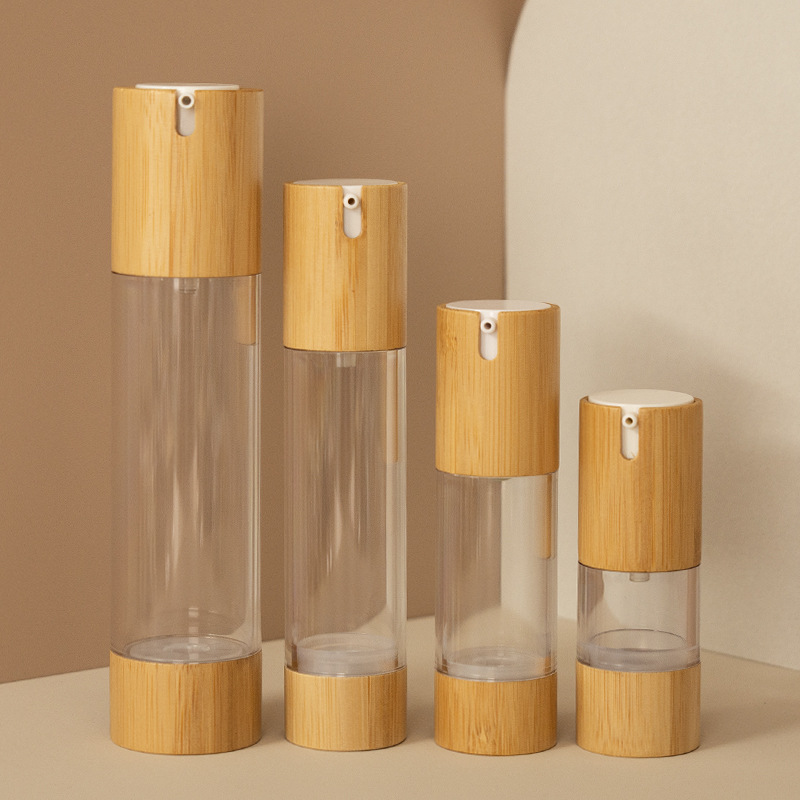
At the most basic level, a cosmetic vacuum travel bottle is a rigid or flexible container with four main parts: the body, the pump head, a one-way valve, and a bottom piston plate. In some designs the pump includes a short straw, while in others the pump sits directly on the reservoir. What matters is that no free air headspace remains inside once the bottle is filled and sealed.
The bottom plate is the key detail. When the pump is pressed, product leaves the reservoir, and the plate moves upward to fill the space that the product once occupied. Because the plate rises, the remaining formula continues to touch the container walls or the pump inlet, so thick creams and oil-based serums do not get stuck in the corners as easily as they do in a standard jar.
Airless and Vacuum Are Used Interchangeably
Many packaging suppliers use the terms “airless bottle” and “vacuum bottle” for the same family of containers. In a conventional lotion pump bottle, air enters through the siphon tube or the neck to replace the liquid. That air can introduce oxygen, bacteria, and other contaminants into a formula that is supposed to stay stable on a shelf or in a suitcase. The vacuum travel bottle limits this exchange. When the pump stops, the valve closes, and the remaining product stays separated from the outside environment.
How Does a Cosmetic Vacuum Travel Bottle Work?
The mechanism is simple, but the benefit is meaningful for sensitive formulas. Each pump stroke pulls a small amount of product into a dosing chamber. The pump then pushes that dose out through the nozzle. After the stroke, the one-way valve closes. The rising piston compensates for the lost volume, creating a gentle negative pressure behind the product. That pressure is what keeps the formula moving forward and prevents the pump from sucking air back into the reservoir.
Consumers sometimes complain that a new airless bottle does not dispense anything for the first few presses. This is normal; the pump needs to be primed. After three to five strokes, product appears at the nozzle and continues to flow consistently. Thicker formulas may require a few more strokes, so a brand’s instruction card should always mention this step to reduce frustration.
Why Oxygen Protection Matters
Ingredients such as vitamin C, retinol, peptides, and botanical extracts can oxidize quickly when exposed to air. Oxidation changes color, smell, and texture. A cosmetic vacuum travel bottle helps brands protect those ingredients during the short period when a consumer is carrying skincare products on a flight, keeping them in a warm locker, or using them on a trip. That is a practical advantage, not just a marketing feature.
What Makes It a Better Travel Option?
For a traveler, the biggest advantage is predictability. A vacuum travel bottle does not have a wide opening or a simple screw cap that can loosen during transit. The pump head is sealed, and most designs can be packed upright in a toiletry bag. The format also keeps the formula contained even if the bag is squeezed by other luggage.
- Small capacities such as 5ml, 10ml, 15ml, 30ml, and 50ml fit neatly into carry-on liquid rules.
- Controlled doses reduce the risk of pouring out too much expensive serum.
- Less contact with air means less degradation for actives that are sensitive to oxygen.
- The piston system uses most of the product, which matters when the formula is costly.
- Refillable bottles can be reused several times, making them economical for travel sets and sampling programs.
Travelers and brands should still remember that a vacuum bottle does not make a liquid exempt from airport liquid restrictions. It is the container size and the packaging label that matter during security checks. A 10ml or 30ml capacity is usually more practical than a 100ml model for skincare products that are used sparingly.
| Consideration | Vacuum Travel Bottle | Conventional Travel Bottle |
|---|---|---|
| Air exposure | Low; piston seals the formula | Higher; air returns with each use |
| Leak risk | Generally lower when the pump is properly assembled | Higher if the cap loosens or the tube is squeezed |
| Dose control | Pump doses are easy to control | Can release too much or spray unexpectedly |
| Best for | Serums, creams, lotions, foundations, SPF products | Light lotions, cleansers, water-based products |
| Packaging waste | Less residue at the end of use | More product often remains in the straw or cap |
For short trips and eye cream samples, the smallest formats are especially useful. A 5ml to 10ml mono-material airless bottle can be enough for a weekend routine without taking up space in a toiletry bag.
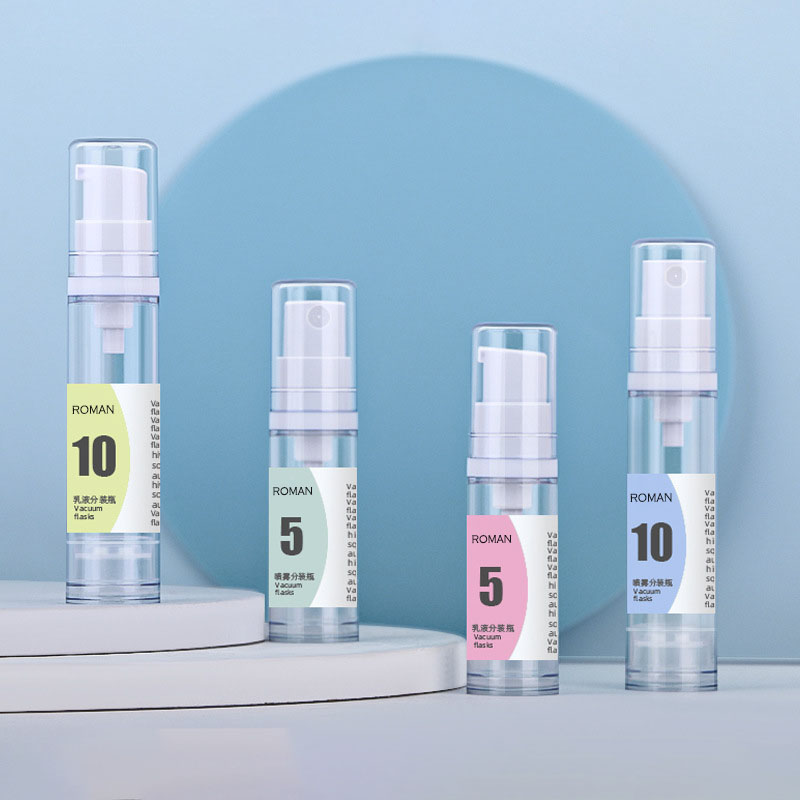 5ml to 10ml Mono Plastic Airless Pump Bottle for Travel SkincareCompact airless pump bottles in 5ml, 8ml, and 10ml sizes suit weekend trips and sample routines. Their vacuum seal prevents oxidation and keeps serums or sunscreens fresh for TSA-compliant carry-on use.View Product →
How to Fill and Use a Cosmetic Vacuum Travel Bottle
Filling a vacuum travel bottle is not complicated, but the process is different from refilling a squeeze bottle. The goal is to keep the outer threads clean, avoid trapping excessive air, and give the pump enough time to prime.
- Start with clean hands and a clean bottle. Wipe the pump nozzle with alcohol if the bottle has been used before.
- Remove the pump or screw cap from the reservoir.
- Transfer the formula into the reservoir using a spatula, syringe, or narrow nozzle. For cream formulas, avoid introducing large air bubbles.
- Fill the reservoir to no more than 80 to 90 percent of its capacity. Overfilling can prevent the piston from moving properly.
- Clean the threads with a lint-free cloth before replacing the pump.
- Screw the pump back on until it is snug, but do not use excessive force that could crack the neck.
- Prime the pump by pressing it three to five times over a sink until product appears.
- Store the bottle upright during travel and wipe the nozzle after each use.
Common Mistakes That Cause Leaks or Pump Failure
One common mistake is filling the bottle completely to the top. The piston needs a small amount of space to settle, and a fully packed reservoir can create pressure that forces product out through the nozzle before use. Another mistake is pumping too fast with a thick cream; rapid strokes can cause the pump to skip or take in air. If the plate tilts after repeated use, the bottle may need to be emptied and refilled with more care.
Thicker creams are easier to handle in a short, wide vacuum jar rather than a tall narrow pump bottle. A 15ml, 30ml, or 50ml vacuum cream jar with a press pump gives the formula a wider entry point and reduces the chance of air pockets during filling.
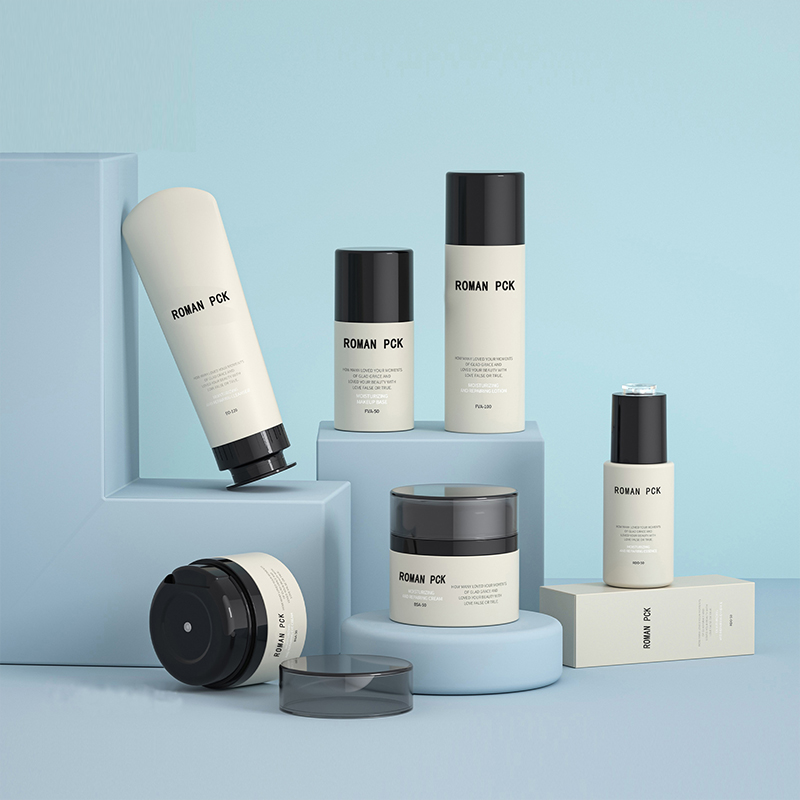 15ml, 30ml, 50ml Vacuum Cream Jars with Airless Press PumpWide-mouth airless jars for thicker creams and lotions, available in 15ml, 30ml, or 50ml. The vacuum piston mechanism protects sensitive ingredients from air and light, making it ideal for premium face formulations.View Product →
What to Look for When Buying Vacuum Travel Bottles for a Brand
For a private-label skincare brand, the choice of a cosmetic vacuum travel bottle affects packaging costs, customer satisfaction, and perceived product quality. The cheapest option is not always the best value because a weak pump or a thin piston plate creates a poor first experience.
Capacity and Filling Compatibility
Common travel capacities include 5ml, 10ml, 15ml, 30ml, 50ml, and sometimes 80ml or 100ml. A brand that launches a travel serum set may prefer 10ml or 15ml. A foundation or sunscreen travel kit may require 30ml or 50ml. The bottle should be compatible with the viscosity and texture of the formula. Heavy creams need a pump with a strong spring and a larger inlet; watery toners need a pump that prevents drips.
Material and Surface Treatment
Many vacuum travel bottles are made from PP, PETG, or PET. PP offers good chemical compatibility and is often used for creams and lotions. PETG provides clarity but may not have the same resistance to certain essential oils. Brands that want a more sustainable message can choose PCR grades of plastic, though the color of PCR material is usually not as clear as virgin material. Surface decoration options such as screen printing, hot stamping, UV coating, and matte lacquer allow brands to add logos without affecting the pump mechanism.
Pump Quality and Reliability
The pump is the most fragile part of the container. Ask the supplier for a sample or a filling test before committing to a large order. A good airless pump should operate smoothly for at least several hundred strokes. It should also pass a leak test with the actual formula or a simulant. If the brand plans to offer refill cartridges, the pump must be durable enough to survive repeated cleaning and reuse.
If you are developing a travel line, the shift toward airless formats is not only a design trend; packaging teams use these systems to maintain serum stability. Take a look at why skincare brands are choosing airless bottle packaging to see how the format is evolving for travel sizes.
Another issue buyers raise is whether the bottle can be made with recycled plastic. Some refillable vacuum travel bottles use PCR material, which changes the color and finish. Our guide to refillable PCR cosmetic bottles can help you balance sustainability with pricing expectations.
For brands that want one SKU to cover both travel sets and daily regimens, a 30ml to 100ml refillable airless bottle is a flexible middle ground. It offers more volume than a sample vial but remains small enough for airport regulations.
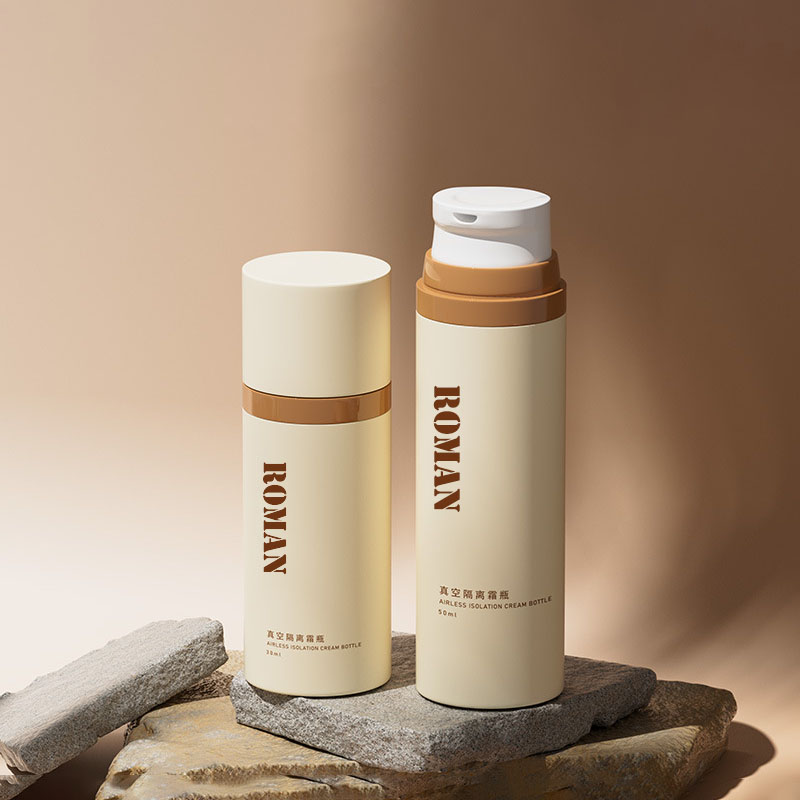 30ml to 100ml Beige Refillable Airless Pump Bottle for FoundationRefillable airless bottles in beige PP, ranging from 30ml to 100ml, suit travel-size foundations and lotions. The neutral opaque finish hides discoloration and filters UV, while the pump evacuates nearly all product cleanly.View Product →
The Bottom Line for Brands
A cosmetic vacuum travel bottle is more than a tiny version of a regular bottle. It is a complete dispensing system that protects the formula, reduces leaks, and creates a premium unboxing experience. Whether a brand needs a single-use 5ml sample, a reusable 30ml serum container, or a refillable foundation bottle, the vacuum mechanism gives the traveler a clean way to carry skincare without the mess of traditional pump bottles.
When you work with a packaging manufacturer, ask about the piston quality, pump stroke feel, filling instructions, and options for PCR materials. That information will tell you whether the bottle will perform well beyond the first press. The right vacuum travel bottle should make both the brand and the traveler look better.