English
 Español
What Engineering Principles Govern The Vacuum Dispensing Mechanism?
The fundamental utility of the airless pump bottle lies in its ability to dispense liquid or cream formulations without allowing air to enter the internal chamber. This process relies on a physical vacuum created within the container as the product is extracted. When the user presses the actuator, a piston located at the base of the inner reservoir moves upward, effectively pushing the product toward the dispensing nozzle.
The Role of Atmospheric Pressure and Piston Movement
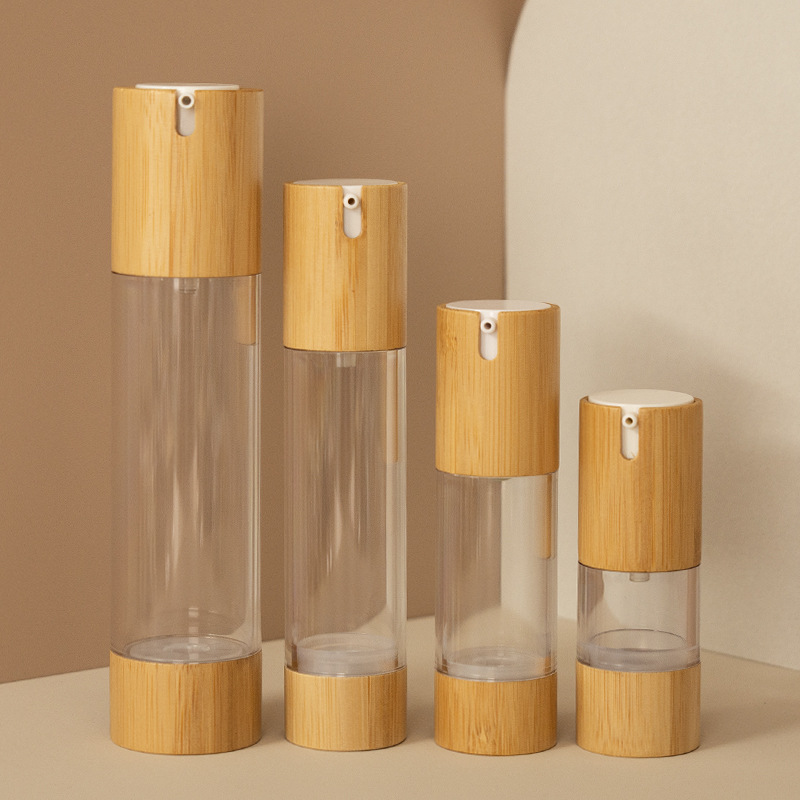
In a standard bottle, the air must displace the volume occupied by the product as it is consumed, which often leads to the degradation of sensitive ingredients due to oxidation. The bamboo airless pump bottle eliminates this interaction entirely. The internal piston forms an airtight seal against the cylinder walls. As the pump is activated, the pressure differential forces the piston to travel upward. Because no air can enter behind the piston, a near total extraction of the formulation is possible. This mechanical precision ensures that even viscous creams and light serums remain protected from external contamination throughout the entire lifecycle of the product.
Sealing Integrity and Internal Architecture
The success of this dispensing system depends on the quality of the seals at the pump head and the fit of the piston within the cylinder. Designers must ensure that the tolerances are exact to prevent air leakage. When luxury brands choose bamboo as the outer housing, the internal mechanism remains the same high precision plastic component that functions reliably. The bamboo exterior acts as a protective shield that provides weight and natural thermal insulation, while the inner plastic sleeve handles the complex task of maintaining the vacuum. This combination achieves a balance where the functional necessity of polymers meets the aesthetic desirability of natural wood fibers.
How Does The Integration Of Bamboo Material Influence Packaging Durability and Aesthetics?
The use of bamboo in cosmetic packaging represents a significant departure from conventional plastics. Bamboo is a fast growing grass that possesses remarkable mechanical properties which make it suitable for high quality containers.
Material Properties and Mechanical Resilience
Bamboo possesses a high strength to weight ratio that rivals many synthetic materials. When processed for packaging, the bamboo is treated to ensure it does not warp or crack in environments with fluctuating humidity. This resilience is essential for a bottle that must remain functional in bathrooms where steam and water are present. The natural cellulose fibers provide a rigidity that protects the inner plastic liner from physical damage during shipping and daily usage.
The aesthetic appeal of bamboo is defined by its unique grain patterns and natural texture. Each bamboo airless pump bottle is distinct, offering a level of personalization that mass produced plastic bottles cannot replicate. For brands targeting the organic and clean beauty sectors, this material communicates authenticity and luxury. The tactile experience of touching real bamboo is significantly different from touching synthetic surfaces, providing a sensory engagement that strengthens the connection between the consumer and the brand.
Surface Finishing and Environmental Compatibility
Bamboo surfaces can be refined through various methods including sanding, polishing, and natural oil finishing. These processes ensure that the surface is smooth and free from splinters. Unlike plastic coatings which may chip or peel, the finish on a bamboo container is integrated into the material itself. From an environmental perspective, bamboo is a renewable resource that sequesters carbon during its growth. When the internal liner is designed to be removable or recyclable, the overall impact of the packaging is reduced compared to single use plastic configurations.
How Does Airless Technology Extend Product Shelf Life and Efficacy?
Skincare formulations containing active ingredients such as vitamin C, retinol, or natural botanical extracts are susceptible to degradation when exposed to oxygen. The airless pump design is the most effective method for maintaining the potency of these sensitive formulations.
Oxidation Prevention and Active Ingredient Potency
Oxygen is a catalyst for the oxidation of many organic compounds. When air interacts with a lotion or serum, the molecules within the product can break down, changing the scent, color, and effectiveness of the formula. In an airless pump bottle, the lack of air exposure keeps the ingredients in their original state from the first pump to the last. This allows formulators to use lower concentrations of preservatives, as the packaging provides the necessary protection, which is a major benefit for brands emphasizing clean ingredient lists.
Contamination Control and User Hygiene
Standard open mouth jars require the consumer to touch the product directly with their fingers, which introduces bacteria, oils, and contaminants into the formulation. This exposure can compromise the stability of the product and require higher preservative loads. The bamboo airless pump bottle is a completely closed system. The product is dispensed through a small nozzle that prevents the backflow of material. This ensures that the remainder of the product inside the container stays sterile and free from external impurities. Users appreciate the cleanliness of this method, as it allows for precise dosing and minimizes waste.
What Considerations Are Essential For Selecting And Implementing This Packaging?
Implementing bamboo airless pump bottles requires careful coordination between the formulation chemistry and the mechanical specifications of the pump.
Formulation Viscosity and Pump Compatibility
The viscosity of a cosmetic formulation determines the type of pump required for the airless system. Thick creams may require a higher stroke volume, while thin serums need a finer mist or droplet control. Designers must test the compatibility of the inner liner material with the chemical makeup of the formulation to ensure no leaching occurs over time. Since bamboo is the exterior housing, the inner liner must be made of high grade materials like polypropylene, which is known for its chemical inertness and suitability for skincare products.
Precision Engineering of the Actuator and Nozzle
The actuator is the part of the bottle that the user interacts with every day. A smooth and consistent action is necessary for a premium brand image. The internal spring mechanism must be constructed from materials that resist corrosion, as any failure here will render the bottle unusable. The nozzle design must also be optimized to prevent clogging, especially for formulations with natural particles or dense textures. When these engineering details are perfected, the resulting bottle offers a seamless experience that reflects the quality of the product within.
Aesthetic Branding and Customization Options
Brands can customize bamboo bottles through various techniques such as laser engraving or screen printing. Laser engraving on bamboo provides a permanent and high definition mark that feels integrated with the natural material. This type of branding is often preferred by luxury brands as it does not require the use of adhesives or plastic stickers that could detract from the natural aesthetic. By aligning the design of the bottle with the brand philosophy, companies can create a unified identity that resonates with consumers who prioritize both efficacy and visual sophistication. The bamboo airless pump bottle thus serves as an extension of the brand message, communicating a commitment to quality and natural beauty through every detail of its design and function.