English
 Español
Understanding What is a Cosmetic Container and Its Role in Product Excellence
What is a cosmetic container represents any specialized vessel designed to safely store and dispense cosmetic or skincare products including creams, lotions, serums, and other formulations while preserving product integrity through protection from oxidation, contamination, and light exposure. Cosmetic bottle types include airless containers providing superior product protection extending shelf life by 25 to 40 percent compared to traditional jars, lotion pump bottles enabling precise controlled dispensing at 0.5 to 1.5 milliliters per stroke reducing product waste by 30 to 50 percent, and thick lotion dispensers optimized for viscous formulations maintaining dispensing functionality throughout product depletion. Premium packaging impact on skincare product pricing demonstrates 15 to 40 percent price premiums justified through enhanced perceived value, improved product protection, extended shelf life, and superior user experience creating competitive differentiation in cosmetic markets where packaging quality directly influences consumer purchasing decisions and brand perception.
Cosmetic Container Definition and Fundamental Design Characteristics
Cosmetic containers represent engineered packaging solutions designed specifically for skincare and cosmetic product storage and dispensing. Understanding container fundamentals enables proper product specification and manufacturing optimization.
What is a Cosmetic Container and Core Functions
What is a cosmetic container encompasses multiple protective and functional characteristics including product containment preventing leakage, barrier properties blocking oxygen and light exposure preventing oxidation and degradation, microorganism protection preventing bacterial and fungal contamination, and ease of use enabling convenient application without product loss or dispenser malfunction.
Cosmetic container primary functions include:
- Product protection: preserving formulation stability through chemical barrier creation
- Contamination prevention: blocking external pathogens and air exposure
- Light protection: opacity or tinted materials preventing photodegradation
- Moisture barrier: reducing water loss from formulations extending shelf life
- Ease of dispensing: optimizing product delivery without waste
- Brand presentation: aesthetic appeal influencing consumer perception
Material Selection for Cosmetic Container Manufacturing
Cosmetic container materials include plastics (polyethylene terephthalate, polypropylene, polyamide), glass (clear, frosted, colored), and specialized composites selected based on product compatibility, barrier requirements, thermal stability, and cost optimization balancing product protection against manufacturing efficiency.
Cosmetic container material characteristics include:
- Polyethylene terephthalate: excellent barrier properties, temperature stability to 70 degrees Celsius
- Polypropylene: chemical resistance, lightweight, suitable for pump bottles
- Polyamide: superior barrier properties reducing oxygen transmission by 70 to 80 percent
- Glass: maximum barrier properties, premium perception, suitable for delicate formulations
- Composite materials: layered constructions optimizing multiple properties
- Specialized coatings: enhancing barrier performance and extending shelf life
Different Types of Skin Care Bottles and Specialized Container Designs
What are the different types of skin care bottles encompasses diverse designs optimized for specific formulation characteristics and usage requirements. Understanding bottle types enables appropriate selection for different product categories.
Cosmetic Bottle Types and Design Specifications
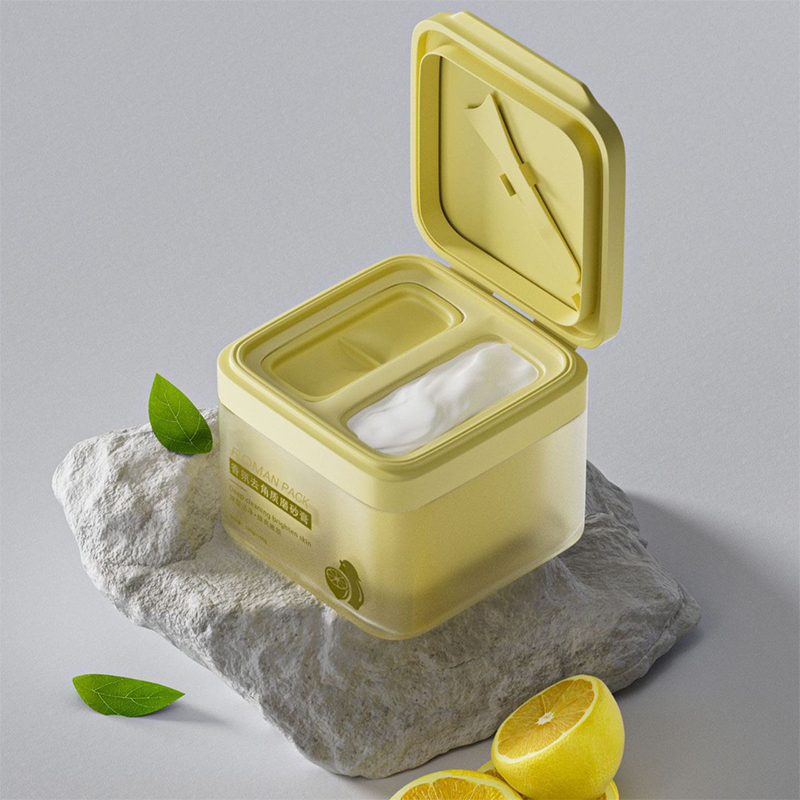
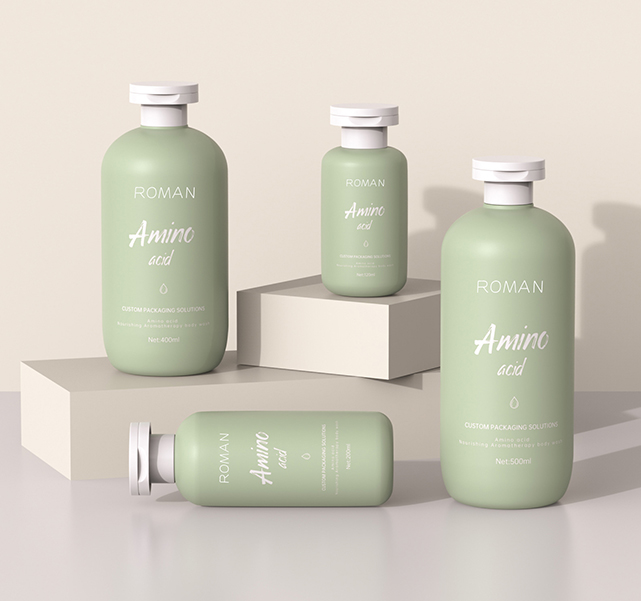
What are the different types of skin care bottles includes standard jars for thick creams and balms, pump bottles for lotions and serums, dropper bottles for concentrated essences and oils, tubes for toothpastes and facial masks, roll on containers for eye creams, and specialized dispensers for aerosol formulations requiring pressurized systems.
Common cosmetic bottle types include:
- Standard jars: 30 to 500 milliliter capacity for creams and balms
- Pump bottles: 30 to 250 milliliter sizes with 0.5 to 1.5 milliliter per stroke dispensing
- Dropper bottles: 10 to 60 milliliter volumes for serums and oils
- Tubes: 15 to 200 milliliter capacity for toothpastes and masks
- Roll on bottles: 5 to 15 milliliter sizes for eye creams and antiperspirants
- Aerosol containers: pressurized dispensing for mousses and sprays
Lotion Pump Bottle Design and Functionality Optimization
Lotion pump bottles employ spring loaded mechanisms delivering controlled 0.5 to 1.5 milliliter quantities per stroke with precision engineering enabling reliable functionality throughout product depletion while preventing premature seal failure and product oxidation through sophisticated valve and spring systems.
Lotion pump bottle design characteristics include:
- Pump stroke volume: 0.5 to 1.5 milliliters per actuation
- Operating pressure: 1 to 3 atmospheres internal pressure
- Spring mechanism: stainless steel springs providing consistent dispensing
- Dip tube design: reaching product bottom extracting maximum usage
- Seal systems: preventing leakage and product oxidation
- Trigger actuation: ergonomic design reducing hand fatigue
Airless Containers and Advanced Protection Technology for Cosmetic Products
Airless containers cosmetics represent advanced packaging solutions employing vacuum technology eliminating air exposure and oxidation. Understanding airless technology enables specification for premium formulations requiring extended shelf life and maximum preservation.
Airless Containers Technology and Operational Principles
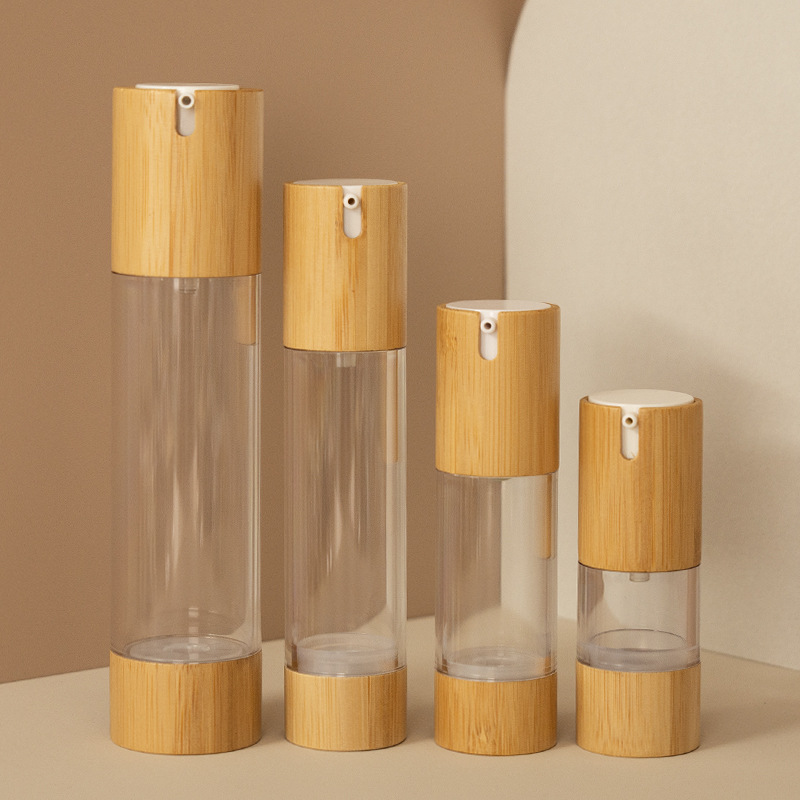
Airless containers cosmetics employ sealed chamber systems where internal pistons progressively move upward as product dispenses preventing air entry and oxidation extending shelf life by 25 to 40 percent compared to traditional containers while eliminating microbial contamination risks from external air exposure.
Airless container operational characteristics include:
- Vacuum creation: internal negative pressure preventing air infiltration
- Piston movement: progressive ascent maintaining product separation from air
- Seal integrity: precision engineered gaskets preventing air leakage
- Product extraction: 99 percent product utilization minimizing waste
- Microbial protection: complete air exclusion preventing contamination
- Light protection: opaque materials blocking photodegradation
Airless Pump Bottle Advantages and Premium Applications
Airless pump bottle designs combine pump dispensing convenience with vacuum protection optimizing for sensitive formulations including retinoids, vitamin C serums, and peptide complexes requiring maximum preservation against oxidation and environmental degradation extending efficacy throughout product lifespan.
Airless pump bottle benefits include:
- Extended shelf life: 25 to 40 percent longer stability compared to standard containers
- Oxidation prevention: complete air exclusion maintaining product potency
- Contamination protection: vacuum seal preventing bacterial growth
- Precise dispensing: pump mechanisms delivering exact quantities reducing waste
- Premium perception: luxury aesthetic enhancing brand value
- Efficacy preservation: active ingredients maintain maximum potency
Thick Lotion Dispenser Optimization for Viscous Product Formulations
Thick lotion dispenser technology addresses unique challenges of high viscosity formulations including creams, butters, and concentrated treatments. Understanding thick lotion dispensers enables proper equipment specification for viscous products.
Thick Lotion Dispenser Design Specifications and Mechanical Engineering
Thick lotion dispenser mechanisms employ reinforced springs rated for 5 to 10 times higher actuation force compared to standard pump bottles accommodating viscosity levels from 5000 to 50000 centipoise enabling reliable dispensing of creams, body butters, and concentrated serums without pump failure or product stagnation.
Thick lotion dispenser design characteristics include:
- Spring rating: enhanced springs supporting 10 to 15 kilogram actuation force
- Viscosity compatibility: tested to 50000 centipoise ensuring functionality
- Dip tube: reinforced design preventing collapse under internal pressure
- Pump chamber: enlarged volume accommodating thick product transfer
- Seal materials: specialized polymers resisting harsh chemicals in formulations
- Valve design: high flow capacity enabling thick product passage
Viscosity Considerations and Formulation Optimization
Thick lotion dispenser compatibility requires formulation viscosity optimization within pump capability range of 5000 to 50000 centipoise with optimal performance at 10000 to 30000 centipoise ensuring reliable dispensing while maintaining product texture and stability throughout shelf life without separation or component settling.
Viscosity optimization considerations include:
- Optimal range: 10000 to 30000 centipoise for reliable dispensing
- Below 5000 centipoise: standard pump bottles sufficient
- Above 50000 centipoise: requires specialized dispensing systems
- Seasonal variation: temperature effects on viscosity requiring formulation stability
- Component settling: preventing separation requiring emulsifying agents
- Thixotropic properties: shear thinning improving pumpability
Cosmetic Packaging Materials and Quality Standards
Cosmetic packaging materials selection critically impacts product quality and consumer safety. Understanding material properties enables optimal specification for different formulation types.
Material Barrier Properties and Product Protection
Cosmetic packaging materials oxygen transmission rate measured in milliliters per square meter per day directly impacts shelf life with barrier performance from 0.1 (glass) to 50 (standard plastics) milliliters per square meter per day enabling appropriate material selection based on product oxidation sensitivity and intended shelf life of 6 to 36 months.
Material barrier specifications include:
- Glass: 0.1 milliliters per square meter per day maximum barrier
- Polyamide composites: 1 to 5 milliliters per square meter per day
- Polyethylene terephthalate: 10 to 20 milliliters per square meter per day
- Polypropylene: 20 to 30 milliliters per square meter per day
- Standard plastics: 40 to 50 milliliters per square meter per day
Material Compatibility with Cosmetic Formulations
Cosmetic packaging materials require compatibility testing with specific formulation components ensuring preservation of product stability with incompatible materials causing ingredient extraction, leaching of container chemicals into product, or product degradation requiring careful material selection and validation testing before commercialization.
Material compatibility considerations include:
- Oil compatibility: selecting materials resistant to solvent effects
- Alcohol resistance: ensuring container stability with alcohol containing products
- Active ingredient preservation: preventing container interaction with potent actives
- Microbial resistance: preventing container degradation from preservative systems
- Temperature stability: maintaining integrity across storage temperature ranges
- Migration testing: ensuring no container chemicals enter product
Premium Packaging Impact on Skincare Product Pricing and Market Positioning
Premium packaging impact on skincare product pricing demonstrates substantial influence on consumer perception and purchasing decisions. Understanding packaging economics enables informed specification decisions.
Premium Packaging Cost Structure and Price Impact Analysis
Premium packaging impact on skincare product pricing creates 15 to 40 percent price premiums with glass containers and airless systems commanding highest premiums of 35 to 40 percent price increase, composite packaging technologies enabling 20 to 25 percent premiums, and specialized pump systems supporting 15 to 20 percent price increases justified through improved perceived value and demonstrated product performance benefits.
Premium packaging cost components include:
- Standard plastic containers: baseline cost reference
- Specialty plastics: 8 to 15 percent cost premium
- Glass containers: 20 to 30 percent cost premium
- Airless systems: 25 to 35 percent cost premium
- Specialized pumps: 10 to 20 percent cost premium
- Decorative elements: 5 to 15 percent additional cost
Brand Perception and Consumer Value Assessment
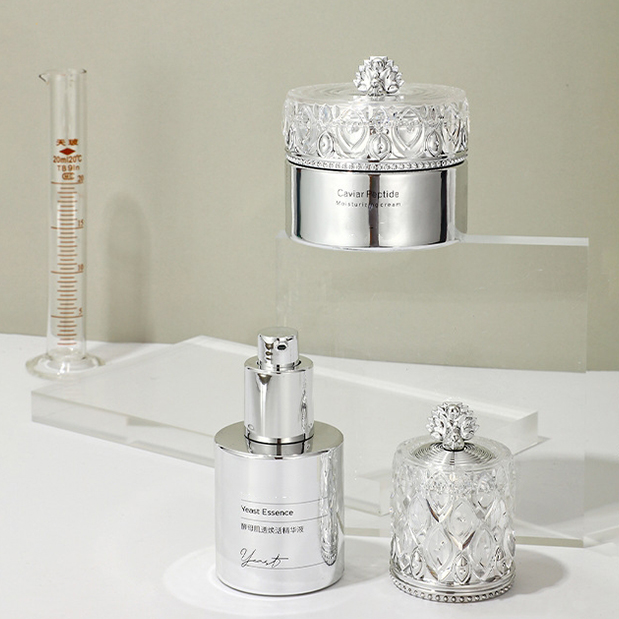
Premium packaging impact on skincare product pricing demonstrates consumer willingness to pay 15 to 40 percent price premiums with airless containers and glass packaging communicating product quality and efficacy superiority enabling market positioning as premium skincare products commanding luxury price points while standard plastic containers signal value positioning.
Packaging influence on consumer perception includes:
- Luxury perception: glass and airless containers suggesting premium efficacy
- Durability impression: substantial containers implying product quality
- Environmental responsibility: sustainable materials increasing appeal
- Protection assurance: airless systems suggesting product preservation
- Usage confidence: pump dispensing reducing waste concerns
- Brand prestige: premium packaging establishing luxury positioning
Container Type Comparison and Selection Criteria Table
| Container Type | Optimal Product Viscosity | Barrier Protection Level | Product Waste Percentage | Cost per Unit | Shelf Life Impact | Premium Pricing Potential |
|---|---|---|---|---|---|---|
| Standard Jar | Thick creams | Moderate | 5 to 10 | Low | Reduced | Low |
| Lotion Pump Bottle | Lotions and serums | Good | 2 to 5 | Moderate | Extended | Moderate |
| Dropper Bottle | Liquid serums | Moderate | 0.5 to 2 | Low to Moderate | Maintained | Moderate |
| Airless Container | All viscosities | Excellent | 1 percent or less | High | Significantly Extended | High |
| Airless Pump Bottle | All viscosities | Excellent | 1 percent or less | Very High | Significantly Extended | Very High |
| Glass Container | All types | Maximum | 3 to 8 | High | Maximum | High |
Comprehensive comparison of cosmetic container types showing viscosity compatibility, barrier protection, waste potential, cost structure, shelf life impact, and premium pricing capability
Packaging of Cosmetics and Quality Assurance Standards
Packaging of cosmetics encompasses comprehensive quality systems ensuring product safety, efficacy preservation, and regulatory compliance. Understanding packaging standards enables proper specification and validation.
Quality Standards and Regulatory Compliance Requirements
Packaging of cosmetics must comply with regulatory standards including FDA regulations establishing safety requirements, European cosmetics regulations defining purity and safety standards, and ISO standards specifying container performance requirements ensuring consistent product quality and consumer safety throughout shelf life and storage conditions.
Key regulatory and quality standards include:
- FDA cosmetics regulations: container safety and consumer protection requirements
- European cosmetics regulation: harmonized safety standards across European Union
- ISO standards: defining container performance and barrier properties
- Migration testing: ensuring container chemicals do not enter products
- Sterility standards: preventing microbial contamination
- Stability testing: validating packaging maintains product integrity
Testing and Validation Procedures for Container Performance
Packaging of cosmetics requires comprehensive testing including accelerated stability studies simulating extended storage, barrier property measurement quantifying oxygen and moisture transmission, compatibility testing confirming formulation stability, and microbial challenge testing ensuring contamination prevention throughout intended shelf life period.
Required testing procedures include:
- Accelerated stability: 40 degrees Celsius and 75 percent humidity simulation
- Long term stability: real time storage monitoring shelf life validation
- Barrier measurement: oxygen transmission rate testing and documentation
- Compatibility assessment: confirming product and container compatibility
- Microbial challenge: validating contamination prevention effectiveness
- Seal integrity: confirming gasket and seal functionality
Frequently Asked Questions About Cosmetic Containers and Packaging Solutions
1. What is a cosmetic container and what are its primary functions in product preservation?
What is a cosmetic container represents any specialized vessel designed to store and dispense cosmetic products while protecting from oxidation, contamination, and degradation. Primary functions include product containment preventing leakage, barrier creation blocking oxygen and light exposure, moisture protection maintaining hydration, microbial prevention avoiding contamination, and ease of dispensing enabling convenient application. Container selection directly impacts product shelf life with proper containers extending stability by 25 to 40 percent compared to improper packaging. Quality containers preserve active ingredient potency throughout shelf life maintaining product efficacy and customer satisfaction.
2. What are the different types of skin care bottles and how should selection be based on product formulation?
What are the different types of skin care bottles include standard jars for thick creams, pump bottles for lotions and serums, dropper bottles for concentrated essences, tubes for pastes and masks, roll on containers for spot treatments, and airless containers for sensitive formulations. Selection depends on product viscosity and sensitivity to oxidation. Thick creams optimize with jar or pump containers, liquid serums work with dropper bottles, sensitive actives benefit from airless systems. Proper bottle selection ensures reliable dispensing and product preservation throughout intended shelf life optimizing customer experience and brand satisfaction.
3. How does thick lotion dispenser technology differ from standard pump bottles?
Thick lotion dispensers employ reinforced springs supporting 10 to 15 kilogram actuation force accommodating viscous formulations of 10000 to 50000 centipoise compared to standard pumps rated for 2000 to 5000 centipoise. Enhanced spring mechanisms prevent stagnation and pump failure with thick products. Specialized dip tubes and valve designs enable reliable viscous product transfer. Thick lotion dispensers require careful formulation optimization ensuring viscosity falls within pump capability range for reliable dispensing without requiring excessive user force or pump modification.
4. What advantages do airless containers provide compared to traditional jar or pump containers?
Airless containers eliminate air exposure extending shelf life by 25 to 40 percent preventing oxidation and degradation of sensitive actives. Internal piston systems maintain product separation from external environment preventing microbial contamination risks of traditional containers. Airless systems achieve 99 percent product extraction minimizing waste compared to 10 to 20 percent waste with jars. Vacuum protection particularly benefits sensitive formulations including retinoids, vitamin C, and peptides requiring maximum preservation. Higher cost of airless systems justified through extended stability and premium pricing potential commanding 35 to 40 percent price premiums.
5. What is an airless pump bottle and how does it combine pump convenience with vacuum protection?
Airless pump bottles combine vacuum chamber protection with pump dispensing providing maximum convenience and product preservation. Internal piston systems maintain vacuum as product dispenses preventing air entry while pump mechanism delivers precise controlled quantities. This combination optimizes for sensitive formulations requiring extended stability and precise application. Airless pump bottles represent premium solution supporting highest price premiums of 35 to 40 percent while ensuring active ingredient preservation throughout shelf life. Mechanical reliability and aesthetic luxury positioning make airless pump bottles optimal for premium skincare brands.
6. How do cosmetic packaging materials impact product shelf life and stability?
Cosmetic packaging materials directly impact shelf life through barrier properties with glass providing maximum barrier at 0.1 milliliters per square meter per day and standard plastics at 40 to 50 milliliters per square meter per day creating 50 to 500 times difference in oxygen transmission. Superior barrier materials extend shelf life by 25 to 40 percent reducing oxidation and degradation. Material compatibility prevents container chemical leaching and formulation interaction. Light protection opacity prevents photodegradation. Moisture barrier prevents water loss and hydration changes. Proper material selection preserves active ingredient potency throughout intended shelf life ensuring customer satisfaction and brand reputation.
7. What is premium packaging impact on skincare product pricing and market positioning?
Premium packaging impact on skincare product pricing demonstrates 15 to 40 percent price premiums with airless systems and glass containers commanding highest premiums. Luxury packaging signals premium efficacy and quality enabling market positioning at higher price points. Glass containers increase prices 20 to 30 percent, airless systems 25 to 35 percent, and specialized pumps 10 to 20 percent. Consumer perception of packaging quality directly influences purchase decisions and brand positioning. Premium packaging investments justify through higher profit margins, improved brand perception, and customer loyalty supporting long term brand value creation.
8. What lotion pump bottle specifications should be evaluated when selecting dispensing containers?
Lotion pump bottle specifications include stroke volume of 0.5 to 1.5 milliliters per actuation, spring strength rated for formulation viscosity, dip tube design enabling maximum product extraction, seal materials ensuring no leakage or product oxidation, and trigger ergonomics reducing hand fatigue. Selection requires testing with specific formulation confirming reliable dispensing throughout product depletion. Quality pumps minimize product waste reducing 2 to 5 percent dispensing loss compared to 5 to 10 percent jar waste. Pump reliability critical for consumer satisfaction directly impacting repeat purchases and brand loyalty.
9. What are cosmetic packaging materials selection criteria balancing protection, cost, and brand positioning?
Cosmetic packaging materials selection requires balancing product protection requirements against manufacturing costs and brand positioning objectives. Sensitive formulations requiring extended shelf life justify glass and airless containers despite higher costs. Standard products optimize with plastic containers maintaining acceptable quality. Barrier requirements should match product oxidation sensitivity with 6 month shelf life accommodating standard plastics while 24 month stability requires superior barrier materials. Brand positioning influences selection with luxury brands selecting premium materials supporting price positioning. Regulatory compliance and material compatibility testing ensure safety and efficacy preservation. Cost optimization balances quality requirements against manufacturing economics.
10. How do packaging standards and quality assurance procedures ensure cosmetic container safety and efficacy?
Cosmetic packaging quality assurance includes accelerated stability testing simulating extended storage confirming product preservation, compatibility testing validating formulation stability with container materials, barrier measurement quantifying oxygen transmission, microbial challenge testing confirming contamination prevention, and seal integrity verification ensuring no leakage or oxidation. Regulatory compliance with FDA and European standards ensures consumer safety and product quality. Migration testing prevents container chemicals entering products. Long term stability monitoring validates shelf life claims. Comprehensive testing procedures ensure packaging maintains product integrity throughout intended storage period and customer use protecting brand reputation and consumer satisfaction.