English
 Español
A skincare brand recently approved a 50ml pump bottle for a retinol serum, then found that the first 200 fills delivered 0.25ml per stroke while later fills delivered 0.22ml. The formula was fine; the pump engine and dip tube length were not. That small variance is why pump bottles are not a generic commodity. They are a dispensing system, and their use case begins with the product’s viscosity, dose, and shelf life. In short, pump bottles are used wherever a flowable product needs a measured, repeatable dose without pouring, dipping, or exposing the bulk formula to air. That covers skincare, hair care, body care, household care, and professional salon products.
What Pump Bottles Are Used For: The Short Answer
Pump bottles are used for low-to-medium viscosity liquids, gels, creams, lotions, foams, and fine mists. A pump converts a downward press into a fixed volume of product. The user gets a consistent dose, the brand gets less waste and less mess, and the formula stays cleaner because the user does not need to dip fingers into a jar or tip a bottle against the palm. The main use categories are skincare serums and lotions, facial cleansers, hand soaps, body washes, shampoos and conditioners, sunscreens, foundations, hair oils, and household cleaners. The exact pump type matters because a lotion pump, foam pump, airless pump, and spray pump solve different problems even when they look similar on a shelf.
| Pump type | Typical products | Typical dose per stroke | What to watch |
|---|---|---|---|
| Lotion pump | Body lotion, hand cream, cleanser, shampoo, shower gel | 0.5ml to 2.0ml | Viscosity match, dip tube length, closure seal |
| Foam pump | Hand soap, facial cleanser, shaving foam, baby wash, mousse | 0.8ml to 1.5ml | Surfactant system, mesh design, water content |
| Airless pump | Retinol, vitamin C, peptide serum, sunscreen, foundation | 0.1ml to 0.5ml | Piston creep, fill level, formula compatibility |
| Fine mist spray | Toner, setting spray, hair spray, perfume, sunscreen mist | 0.05ml to 0.2ml | Spray pattern, orifice size, alcohol content |
| Treatment pump | Serum, oil, essence, spot treatment | 0.1ml to 0.3ml | Precision, clogging, tip shape |
Lotion Pumps: The Workhorse for Lotions, Cleansers, and Body Care
Lotion pumps are the most common pump bottle type in personal care. They are used for body lotion, hand cream, facial cleanser, shampoo, conditioner, shower gel, and sunscreen. A standard lotion pump works well with products that flow but do not run like water. Typical viscosities range from thin lotions to thick creams, and the pump engine must be matched to that flow. A pump that works with a 3,000 cps lotion may skip or stall with a 30,000 cps cream. Closure size is another practical detail: 24/410 and 28/410 are common neck finishes, but the bottle and pump must be tested together because thread engagement, gasket material, and bottle neck height all affect leakage.
For a 300ml PET bottle with a 24/410 lotion pump, the dip tube length is usually calculated from the bottle height plus the neck finish, minus a small clearance from the bottom. If the dip tube is too short, the pump will draw air before the bottle is empty. If it is too long, it may bend and restrict flow. This is why buyers should request a filled sample, not just a pump sample. At Roman Plastic, lotion pump bottles are produced in capacities from 30ml to 1000ml, with surface options that include spraying, UV coating, screen printing, hot stamping, and labeling. For brands comparing pump styles, this guide to plastic lotion pump bottles explains how pump structure affects daily use.
 Frosted Lotion Pump Bottle for Premium Body CareA 150–500 ml frosted PET/HDPE bottle with a long-nozzle pump, suited to body oil, cleanser, and shampoo packaging where a premium matte finish matters.View Product →
Foam Pumps: Where the Product Needs Air and Water
Foam pumps are used when the product should come out as foam rather than liquid. The pump mixes the formula with air inside the chamber, so the result is a soft lather that spreads easily. Common uses include hand soap, facial cleanser, shaving foam, baby wash, hair mousse, and some hair color products. Foam pumps are not a universal fit. They need a low-viscosity, surfactant-rich formula with enough water to create foam. A thick cream or an oil-based serum will not foam properly, even if the pump is technically functional. The mesh and the pump engine determine bubble size and foam density, and these must be tested with the actual formula.
For a 150ml PET foam bottle with a 40mm closure, a typical dose is around 1.0ml to 1.2ml, which is enough for one hand wash or one facial cleanse. If the dose is too high, the product feels wasteful; if it is too low, the foam collapses before the user can spread it. Foam pump bottles are also popular for children’s products because the foam is easy to rinse and does not drip. When specifying a foam pump, ask for a sample with your formula, not a generic soap. The same pump can produce wet, loose foam with one surfactant system and dense, stable foam with another. A private-label foam pump bottle in 50ml to 200ml is a practical starting point for facial cleansers and hand soaps.
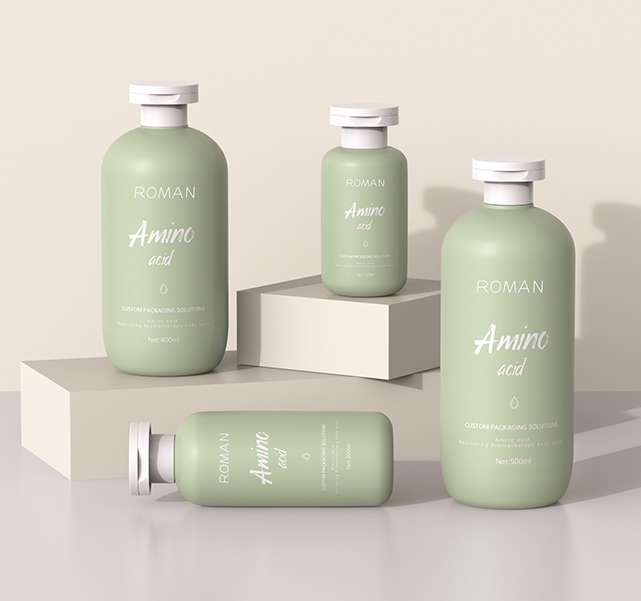
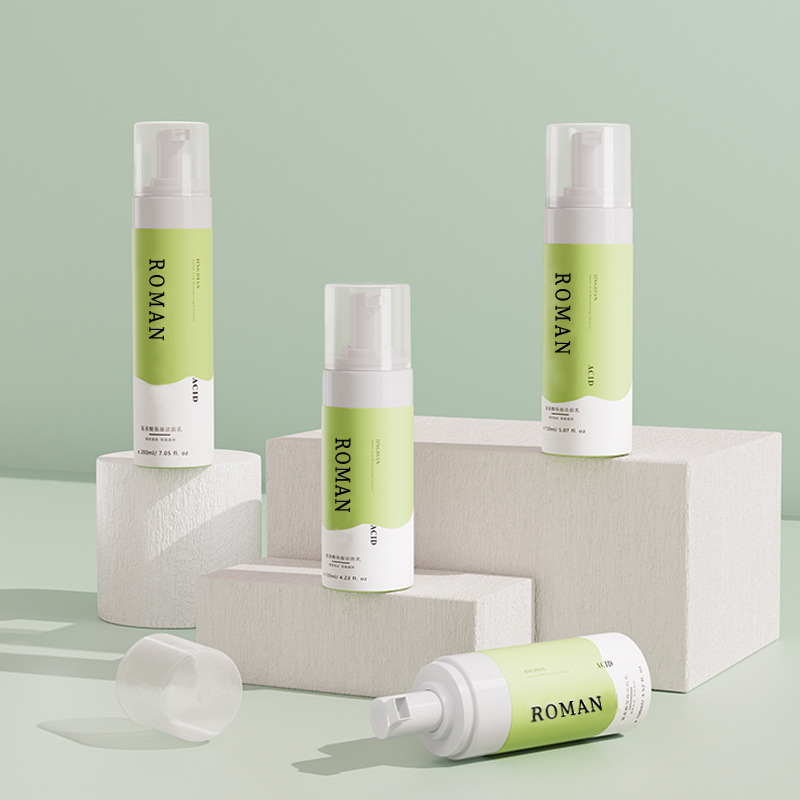 Private-Label Foam Pump Bottle for Facial CleansersA 50–200 ml foam pump bottle for amino acid or acidic face wash formulas, with customizable color and printing and OEM/ODM support for private-label cleansers.View Product →
Airless Pumps: For Sensitive Formulas and Precise Dosing
Airless pump bottles are used for formulas that are sensitive to air, light, or repeated exposure. The pump uses a vacuum piston that rises as product is dispensed, so the formula does not come into contact with air inside the bottle. This makes airless pumps common for retinol, vitamin C, peptides, sunscreen, foundation, eye cream, and body oil. The dose is usually smaller than a lotion pump, often 0.1ml to 0.5ml, because the product is more concentrated and the user needs precision rather than volume. Airless pumps also support refillable and mono-material designs, which is useful for brands working on packaging reduction.
One common mistake is to treat an airless pump like a lotion pump during filling. Airless bottles need the correct fill level and a proper priming step. If the bottle is underfilled, the piston may not engage; if it is overfilled, the pump may leak or the piston may creep. The formula’s compatibility with the piston material and the inner wall also matters. For a 30ml airless pump bottle with a 0.2ml dose, the brand should test the full pack with the final formula for at least three months at ambient and accelerated conditions. This is especially important for products with volatile silicones, high alcohol content, or active ingredients that can migrate through plastic. A transparent white airless pump bottle in 15ml to 120ml is a practical format for serums and body oils where the dose and the barrier matter more than the bottle shape.
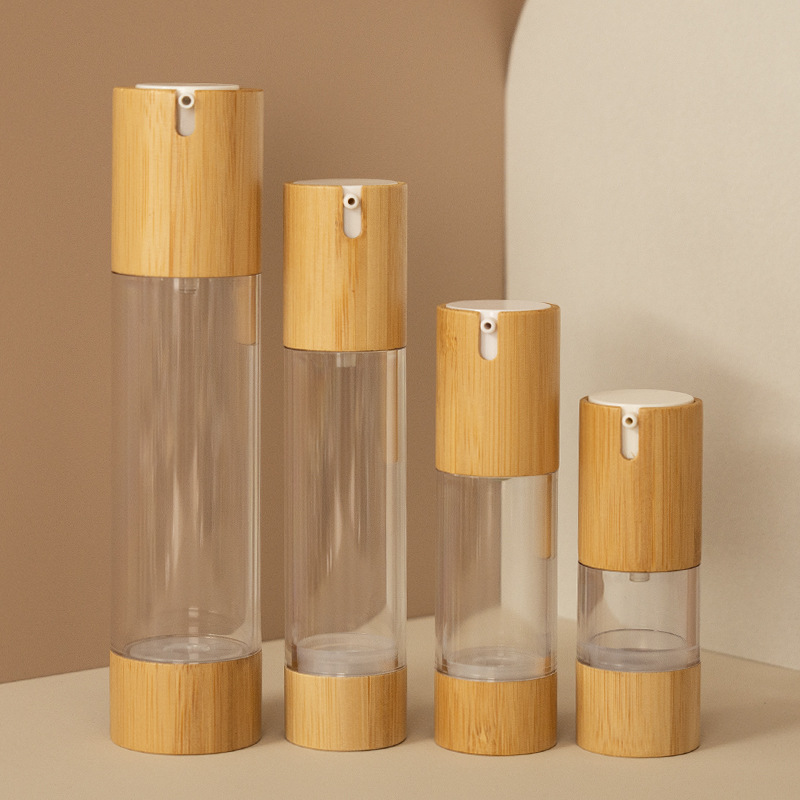
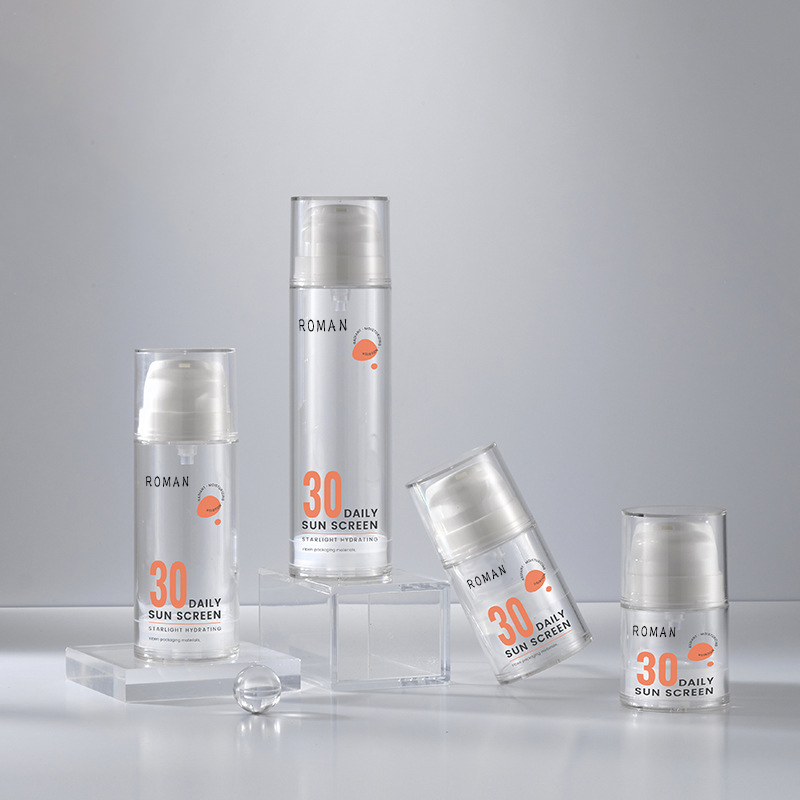 Transparent White Airless Pump Bottle for SerumsA 15–120 ml airless pump bottle for serum and body oil, designed to protect sensitive formulas from air and support controlled dispensing with less waste.View Product →
Spray and Treatment Pumps: Fine Mists and Targeted Doses
Spray pumps are used for toners, setting sprays, hair sprays, perfume, and sunscreen mists. They are not lotion pumps with a different cap; the orifice, dip tube, and pump chamber are designed to create a fine, even mist. The dose is usually low, often 0.05ml to 0.2ml per stroke, and the spray pattern must be tested with the actual liquid because alcohol content and viscosity change droplet size. Treatment pumps are used for serums, oils, essences, and spot treatments. They deliver a smaller, more controlled dose than a lotion pump and often have a narrower tip for precise application. If the formula is too thick, the treatment pump will clog; if it is too thin, the dose will run. Both spray and treatment pumps are specified by the same basic variables: viscosity, dose, closure, dip tube, and material compatibility.
How to Choose the Right Pump Bottle: A Practical Checklist
Buyers often start with the bottle shape and then look for a pump. That order creates problems. Start with the formula and the dose, then choose the bottle and pump together. Use this checklist to narrow the options before sampling.
- Formula compatibility. Check viscosity, pH, alcohol content, essential oils, and active ingredients. Some formulas attack certain elastomers or cause the pump to swell. Ask for material data and run a compatibility test.
- Dose and stroke. Decide how much product one press should deliver. A 0.2ml dose is suitable for a serum; a 1.0ml dose is more suitable for a body lotion. Test the dose with the final formula, not water.
- Closure and neck finish. Confirm the neck size, thread type, and gasket material. A 24/410 pump will not fit a 28/410 bottle, and a mismatched gasket can leak during transit.
- Dip tube length. Measure the bottle height and neck finish, then allow a small clearance from the bottom. A tube that touches the bottom may bend; a tube that is too short may leave product behind.
- Material and decoration. Decide whether the bottle should be PET, PP, PCR, glass, or bamboo. Check whether the decoration process, such as spraying, UV coating, screen printing, or hot stamping, is compatible with the pump and the formula.
- Testing. Run drop tests, leak tests, dose consistency tests, and accelerated aging tests. A pump that works on day one may fail after three months on a retail shelf.
- Order details. Confirm MOQ, lead time, sampling cost, and packaging method. For OEM/ODM projects, provide artwork, Pantone references, and any labeling requirements early.
For brands building a full skincare or body care range, it helps to standardize closures and dose sizes across SKUs. A common 24/410 neck and a 0.5ml lotion pump can cover multiple bottles and reduce component complexity. If you need a reference point for plastic lotion pump bottle formats, the plastic lotion pump bottle range shows capacity, neck, and decoration options in one place.
Common Pump Bottle Problems and How to Avoid Them
Most pump bottle failures are not random. They come from a small number of specification gaps that are easy to miss before mass production.
- Leakage at the closure. Often caused by a mismatched gasket, an uneven bottle neck, or insufficient torque during capping. Check the neck finish and the gasket material together.
- Inconsistent dose. Usually a viscosity or pump engine mismatch. A pump designed for low-viscosity lotion may deliver erratic doses with a thick cream. Test the dose at the beginning, middle, and end of the bottle.
- Pump sticking or slow return. Can be caused by formula migration into the pump chamber, a swollen piston, or a spring that is not compatible with the product. Run an accelerated compatibility test.
- Dip tube too long or too short. A bent tube restricts flow; a short tube draws air early. Measure the bottle and specify the tube length instead of using a stock length.
- Decoration wear. Spraying, UV coating, and printing can rub off during transit. Specify abrasion-resistant treatments and test with the final outer packaging.
- Airless piston creep. Some formulas slowly push the piston forward during storage. This can cause product to appear at the orifice before first use. Check fill level and piston design.
Sustainability and Refillability: What Buyers Ask For
Pump bottles are increasingly specified with sustainability in mind. PCR plastic, mono-material pumps, refillable bottles, and bamboo or wheat straw outer components are common requests. The practical question is not whether a material sounds green, but whether the full pack can be recycled, refilled, or separated at end of life. A pump with a metal spring is harder to recycle than a mono-material pump, and a refillable bottle needs a durable pump that can survive multiple use cycles. Buyers should ask for material composition, recycling guidance, and refill compatibility data. For brands in skincare and personal care, the most credible approach is to reduce material where possible, use PCR content with traceable documentation, and design the pump and bottle as a system that can be separated for disposal.
Final Takeaway
Pump bottles are used for much more than convenience. They control dose, protect sensitive formulas, reduce contamination, and shape the daily experience of a product. The right pump depends on viscosity, dose, closure, dip tube, material, and testing. A lotion pump suits body care and cleansers, a foam pump suits hand soap and facial cleansers, an airless pump suits serums and sunscreens, and a spray pump suits toners and mists. If you start with the formula and the dose, then choose the bottle and pump as one system, you avoid most of the leakage, dose drift, and compatibility problems that show up after mass production. For B2B buyers, the most useful first step is a filled sample with the actual formula, followed by a packaging specification that covers the pump engine, closure, dip tube, decoration, and test standard.