English
 Español
Why is Choosing the Right Cosmetic Jar Crucial for Your Brand?
Does Your Packaging Directly Affect Consumer Repurchase Rates?
Packaging is a "silent dialogue" between the brand and the consumer. In the skincare sector, the texture of a Cosmetic Jar is often psychologically equated by consumers with the expected efficacy of the product. This psychological expectation is known as the "Priming Effect," where the physical attributes of the packaging "prime" the brain's judgment of the quality of the contents.
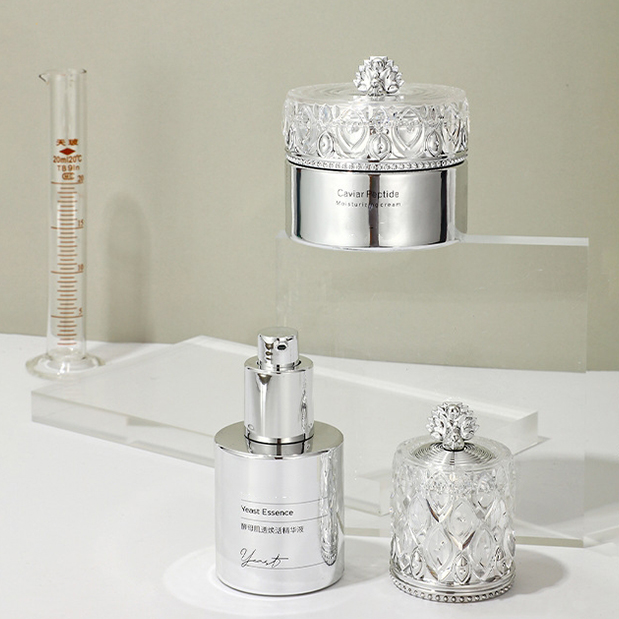
In-depth Analysis of Sensory Marketing: Research shows that weight perception is directly proportional to the perceived "expensiveness" of a product. This is why many high-end brands, even in today's pursuit of lightweighting, persist in adding thickened bases to Glass Cosmetic Jars. This weight is not just physical; it represents the brand's stability and commitment in the consumer's subconscious. Beyond weight, tactile smoothness is vital. The silkiness provided by frosted finishes relieves anxiety, while high-polish surfaces convey precision and medical-grade professionalism. Visually, the transparency of the packaging determines the color performance of the contents—especially for products containing pearl powder or natural botanical extracts, high-transparency packaging can instantly trigger a desire to buy.
Shaping the Opening Ritual: Every time a Cosmetic Jar is unscrewed, it is a ritual. The airtight seal is not just for leak prevention; it gives the user a sense of security from a "fresh opening." High-end products invest heavily in gasket design, using silicone seals or pressure-sensitive liners to ensure a subtle sense of damping when opened. This force feedback, if designed correctly, creates a mechanical beauty similar to opening a luxury jewelry box. Conversely, if the lid rotates unsmoothly, produces a harsh friction sound, or the interior material looks cheap and clings to the formula, even if the content is excellent, the consumer's overall satisfaction will plummet. This "detail premium" is the key to whether consumers are willing to pay a high unit price.
What Role Does the Plastic Cosmetic Jar Play in Modern Skincare?
Can Plastic Cosmetic Jars Really Not Be Linked to "High-End"?
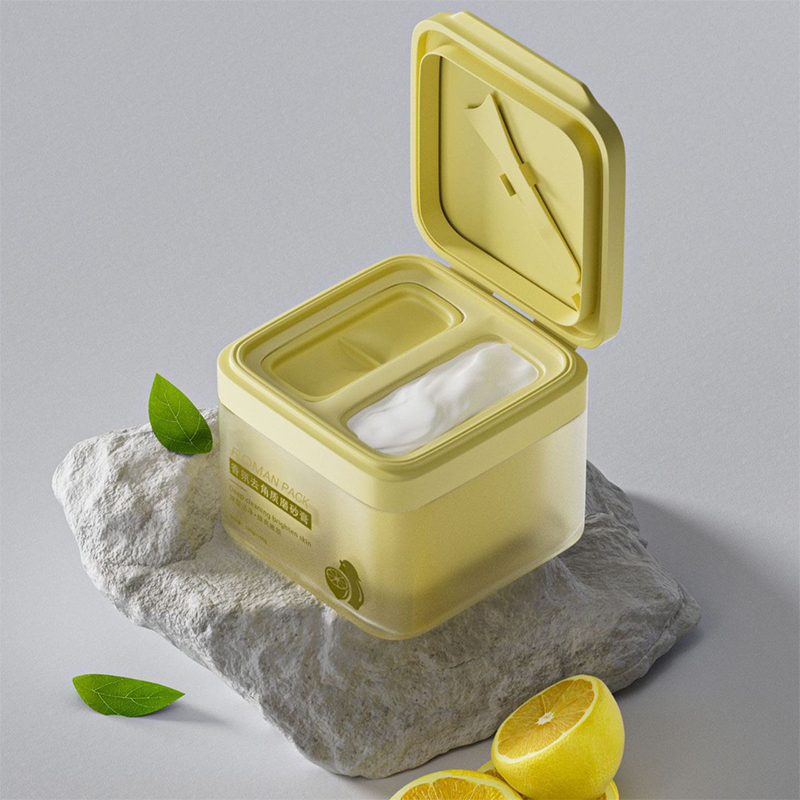
For a long time, Plastic Cosmetic Jars were labeled as "cheap" or "mass market." However, with breakthroughs in materials science, this perception is being completely overturned. Modern high-performance plastics can not only simulate the visual effects of glass but also demonstrate incomparable advantages in functionality.
The Revolution of PCR and Bio-based Plastics: In 2026, Post-Consumer Recycled (PCR) plastic has become an industry standard. By using 50%-100% PCR materials, brands not only fulfill social responsibilities but also win the favor of the younger generation on social media. These young consumers no longer blindly worship expensive packaging; they care more about the brand's "sense of ethics." Furthermore, improvements in PETG materials allow Plastic Cosmetic Jars to reach a refractive index close to glass while maintaining extremely high impact resistance. This means the product will not shatter when dropped, greatly protecting consumer safety, especially in humid bathroom environments.
Cost Reduction and Efficiency in Logistics and Supply Chain: From a business operation perspective, the lightweight nature of plastic is irreplaceable. With the prevalence of cross-border e-commerce and D2C (Direct-to-Consumer) models, transportation costs account for an increasing proportion of total product costs. Adopting lightweight Plastic Cosmetic Jars can reduce transportation weight by approximately 30%-50%, directly lowering the carbon footprint of air and land transport. Simultaneously, the flexibility of plastic in injection molding processes allows brands to easily achieve extremely complex custom designs without facing the high mold costs and scrap rates (often over 15%) associated with glass. This industrial advantage makes plastic jars dominant in the fast-beauty industry, which pursues "Speed to Market."
Which Categories are More Suitable for Plastic Cosmetic Jars?
Not all products require the heavy feel of glass. In specific categories, the Plastic Cosmetic Jar is the true performance champion. Choosing the right application scenario allows plastic packaging to play a value beyond the material itself.
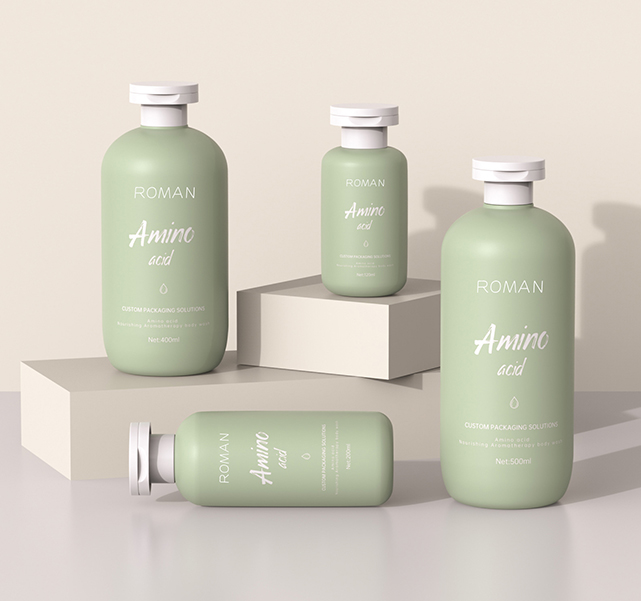
Large Capacity Advantages for Mass Market and Body Care: For large-capacity products like body lotions, scrubs, and hair masks, plastic jars are the only choice. Imagine how dangerous a 500ml glass jar would be in a humid bathroom with hard floors. Plastic jars are not only safe but can also be designed as wide-mouth cans with a certain degree of squeezability using soft plastics like PE, enhancing convenience. Additionally, for frequent travelers, small-capacity plastic travel jars are a necessity; their extremely light weight minimizes the burden on consumer luggage—a functional value glass cannot provide.
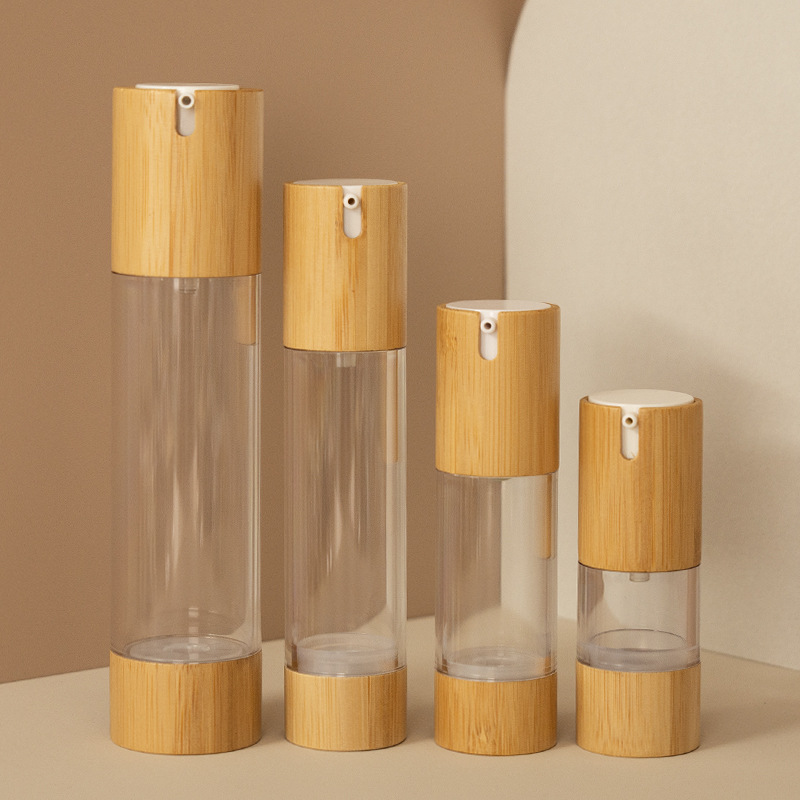
Deep Protection of Active Ingredients with Airless Technology: Innovative "Airless Jar" technology is usually implemented based on complex plastic internal mechanical structures. This design uses a piston at the bottom that rises with use, pushing the contents completely toward the mouth and avoiding air contact. For skincare products containing easily oxidized ingredients (such as Retinol, high-concentration Vitamin C, Coenzyme Q10), the protection offered by this type of Plastic Cosmetic Jar is even superior to traditional wide-mouth glass jars. It not only extends shelf life but also ensures that the active concentration remains as potent at the last drop as it was at the first opening. Moreover, this structure reduces bacterial contamination caused by direct finger contact, fitting the hygiene demands of the post-pandemic era.
Why is the Glass Cosmetic Jar Still the Top Choice for Luxury Skincare?
How Do Glass Cosmetic Jars Protect Your Formula Through "Chemical Stability"?
In the eyes of top laboratories and high-end skincare brands, the Glass Cosmetic Jar is an eternal classic. This is not just because it is beautiful, but because the near "inertness" of glass makes it a safe haven for sensitive ingredients.
The Microscopic World of Zero Permeability and Chemical Purity: Glass is a non-porous amorphous solid, meaning it has excellent barrier properties at the molecular level. Plastics may undergo slight monomer leaching during long-term storage or absorb small molecules like essential oils from skincare products, leading to weakened fragrance or unstable formulas. The Glass Cosmetic Jar ensures the purity of the product, which is crucial for brands focusing on "Clean Beauty" and clinical-grade skincare. For expensive creams, any slight change in odor or texture is catastrophic, and glass provides the most reliable physical environment.
Precision Design of Physical Barriers and Photodegradation Protection: Light is the number one killer of active ingredients in skincare. While transparent glass showcases the beauty of color, specialty glass has significant advantages in protection. By adding transition metal oxides during the glass manufacturing process, these bottles can filter specific wavelengths of UV or even blue light. Dark amber glass can block over 99% of harmful UV rays, which is vital for preventing the oxidation and fading of botanical extracts. For brands advocating aromatherapy, using dark Glass Cosmetic Jars can even act as a "natural preservative," reducing reliance on chemical preservatives and enhancing market competitiveness.
How Does the Glass Jar Win in the "Sustainable Luxury" Trend?
In today's sustainable development landscape, glass is viewed as a "permanent material." Unlike plastic, which often faces "Downcycling" after recycling, glass can achieve a true closed-loop cycle.
Infinite Cycles and Bright ESG Report Data: Glass can be melted and remade into bottles an infinite number of times without any attenuation of its physical properties. This aligns with the pursuit of "Zero Waste" and a "Circular Economy" in corporate ESG (Environmental, Social, and Governance) reports. Many international giants are now significantly increasing the proportion of "Cullet" (recycled glass) in Glass Cosmetic Jar production, which not only saves quartz sand resources but also lowers furnace energy consumption, effectively reducing carbon emissions. This environmental narrative is not just a PR tool; it is a passport for brands to enter high-end channels like luxury department stores and organic supermarkets.
The "Refill" Model Triggering a Vanity Revolution: The most popular trend in 2026 is "Artistic Outer Bottle, Consumable Inner Pod." Brands design exquisite thick-walled Glass Cosmetic Jars to be kept long-term as pieces of art on the user's vanity. These jars may be inlaid with metal frames or hand-polished, possessing collectible value in themselves. Inside, they fit extremely thin, recyclable plastic refill pods. When the cream is finished, the user only needs to spend about 70% of the price to buy a refill. This model perfectly combines the prestige of glass with the economic and environmental benefits of plastic. Statistics show that brands adopting this model have customer loyalty and repurchase rates over 40% higher than traditional packaging, as consumers are reluctant to discard the beautiful glass shell.
Plastic vs. Glass, Which Side Should Your Product Take?
To help brands make informed decisions, we have compared Plastic Cosmetic Jars and Glass Cosmetic Jars across several key dimensions.
How to Choose the Most Suitable Packaging Material Based on Product Positioning?
|
Comparison Dimension |
Plastic Cosmetic Jar |
Glass Cosmetic Jar |
|---|---|---|
|
Core Material Composition |
PP, PET, PETG, PMMA (Acrylic) |
Soda-lime glass, Borosilicate glass, Crystal glass |
|
Visual Texture |
Modern, stylish, strong color expression, matte-able |
Classic, crystal clear, optical refractive beauty |
|
Weight Experience |
Lightweight and portable (suitable for mail, gym) |
Steady and heavy (enhances brand ritual & expectations) |
|
Chemical Resistance |
Requires strict compatibility testing |
Excellent (Naturally inert, suits all pH environments) |
|
Shatter Resistance |
Excellent (Almost no breakage risk, high safety) |
Fragile (Breaks easily if dropped, requires complex secondary packaging) |
|
Sustainability Rating |
Depends on PCR/Bio-based ratio, limited cycles |
Extremely high (100% recyclable, supports infinite cycles) |
|
Cost Control |
Low to Medium (Fast production, low transport cost) |
Medium to High (High energy consumption, high mold cost) |
|
Typical Application |
Body lotion, scrubs, daily suncare, men's grooming |
Top anti-aging creams, eye serums, aromatherapy balms |
Decision Reference Suggestion: If your target customers are Z-generation consumers who focus on cost-performance, have a fast-paced life, travel frequently, or love sharing novel designs on social media, the styling diversity and low failure cost of the Plastic Cosmetic Jar will be your winning weapon. Conversely, if your brand focuses on lady-level care, natural organic, or high-end anti-aging, the professional sense and formula stability brought by the Glass Cosmetic Jar will be an insurmountable barrier for skincare.
Three Major Design Trends for Cosmetic Jars in 2026
Which Design Elements Can Make Your Product "Go Viral" on Social Media?
In the era of the visual economy, packaging design determines its propagation potential on TikTok or Instagram. In 2026, packaging trends are shifting from pure glitz to deeper minimalism and multi-sensory interaction.
Advancement of Minimalism and Tactile Craftsmanship: The "Quiet Luxury" style is influencing the packaging industry. Brands are starting to reduce ostentatious gold foil printing in favor of embossed logos built into the bottle mold or extremely fine, silky matte processes. This design has high visual quality under a macro lens. Especially for Glass Cosmetic Jars, creating textures inside the glass through laser etching technology can produce dynamic visual effects like glaciers or quicksand. This low-key yet high-end aesthetic easily resonates with high-net-worth individuals.
Smart Labels and Digital Twin Interaction: Packaging is becoming the starting point for digital interaction between brands and users. By embedding invisible NFC chips in the base or lid of the Cosmetic Jar, users can unlock a "traceability map" unique to that batch of products with just a tap of their phone. Content can include the latitude and longitude of the harvested plants, production date, and dynamic massage tutorials customized based on the user's skin type. This "Black Tech" addition makes the once-static container part of the brand asset, greatly enhancing the brand's technological endorsement.
Ergonomics and Bionic/Irregular Design: Traditional cylindrical bottle shapes have fallen into aesthetic fatigue. They are being replaced by bionic designs that mimic natural forms—for example, oval flat cans mimicking beach pebbles or lids mimicking mountain rock textures. These designs not only stand out visually but are also more ergonomic—for instance, a concave design on the side of the bottle allows for better leverage when opening. For Plastic Cosmetic Jars, the cost of achieving these complex shapes is lower due to the flexibility of blow molding and injection molding processes, making it a sharp tool for emerging brands to grab attention on the shelf.