English
 Español
Glass Cosmetic Jars: The Premium Protector
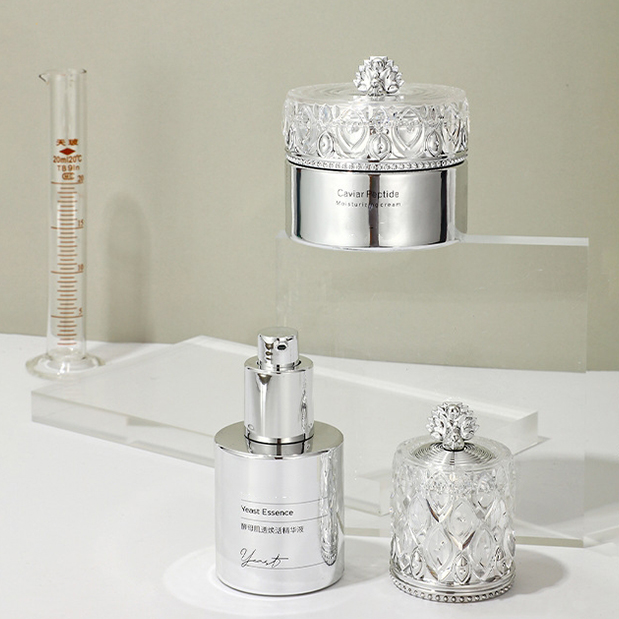
Glass jars have long been associated with luxury skincare. Brands like La Mer, Augustinus Bader, and Drunk Elephant favor heavy glass for a reason. Glass is completely inert – it does not react with any cosmetic ingredient, from vitamin C to retinol to essential oils. There is no risk of leaching, no absorption of fragrances, and no degradation over time. The transparent nature of clear glass allows consumers to see the product inside, which can be a powerful marketing tool. Amber or cobalt blue glass provides additional protection against UV light, preserving light‑sensitive actives. From a recycling standpoint, glass is infinitely recyclable without loss of quality. However, glass jars are heavy, breakable, and energy‑intensive to transport. For travel or bathroom use near tile floors, a dropped glass jar can shatter into dangerous shards. The weight also increases shipping costs and carbon footprint.
When to Choose Glass
Glass is the undisputed champion for high‑value, active‑rich formulations that you use at home. Think night creams with retinoids, vitamin C serums in oil form, or any product where absolute inertness is required. It is also the best choice for brands positioning themselves as ultra‑premium or zero‑waste (many refillable programs use glass). Avoid glass if you travel frequently, have young children, or have a slippery bathroom floor.
Plastic Cosmetic Jars: The Practical Performer
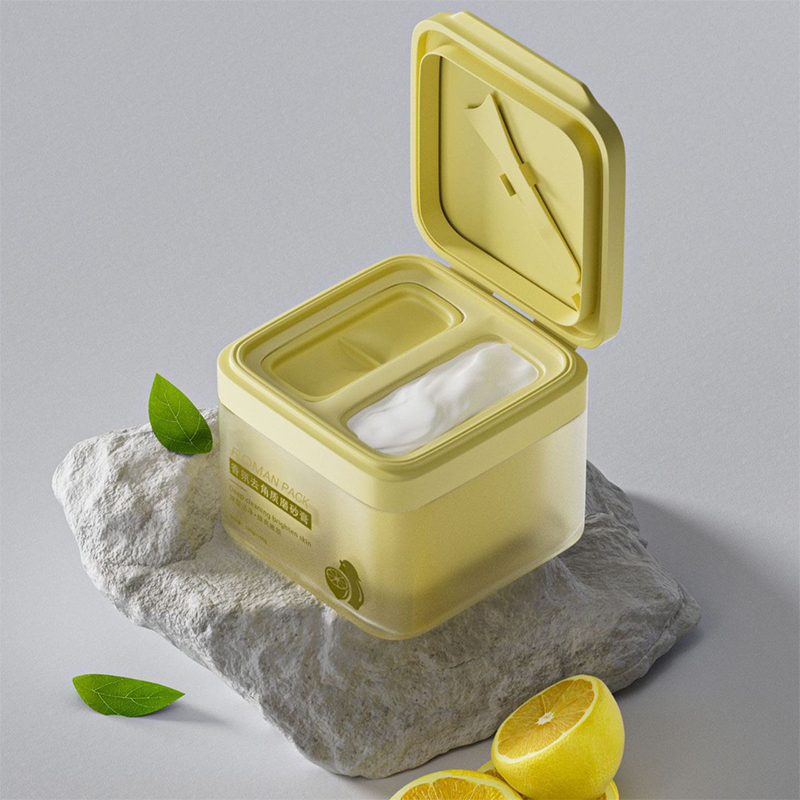
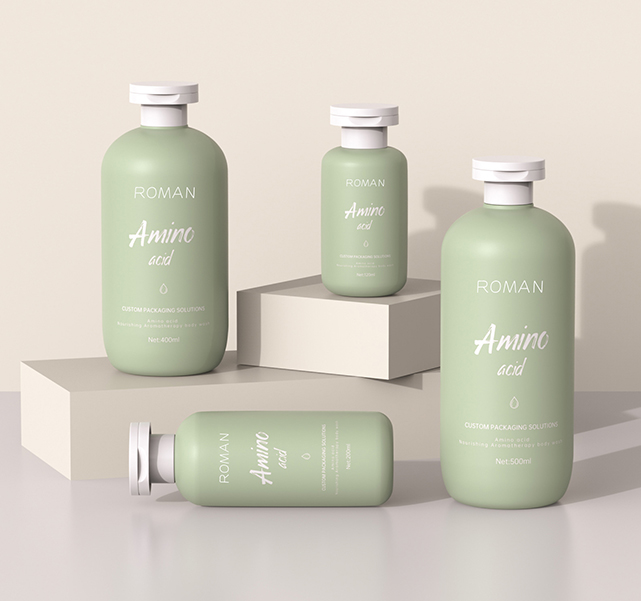
Plastic cosmetic jars dominate the mass market for good reasons: they are lightweight, unbreakable, and inexpensive. Materials like polypropylene (PP), PET, and acrylic (PMMA) can be molded into any shape, color, or finish – including frosted, metallic, or even glass‑like clarity. Plastic jars are also shatterproof, making them the only practical choice for travel sizes, gym bags, and children’s products. However, not all plastics are equal. High‑density polyethylene (HDPE) and PP are considered safe and recyclable, while others may contain problematic additives. The major downside: some plastics are permeable to oxygen, which can oxidize sensitive ingredients over time. Also, plastic can absorb certain fragrance molecules, altering the scent over months of storage. Environmental concerns are significant – even recyclable plastics often end up in landfills, and microplastic shedding is a real issue.
When to Choose Plastic
Plastic jars are ideal for products that you use up quickly (within 3‑6 months), for travel, for children’s skincare, or for budget‑conscious formulations. They are also the go‑to for brands prioritizing lightweight packaging to reduce shipping emissions. Look for post‑consumer recycled (PCR) plastic jars to lower environmental impact. Avoid plastic for long‑term storage of highly active or oil‑based formulas that may cause leaching.
Bamboo Cosmetic Jars: The Eco‑Chic Innovator
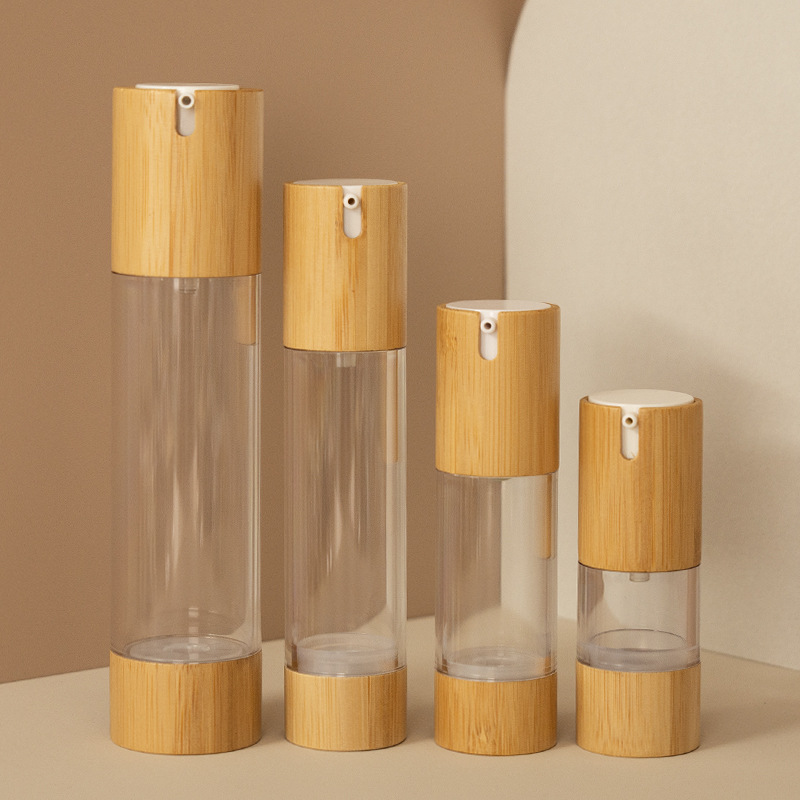
Bamboo cosmetic jars are a relatively new entrant, riding the wave of plastic‑free, zero‑waste beauty. These jars typically consist of a bamboo outer shell with an inner liner (often glass, stainless steel, or bioplastic) that actually contacts the product. The bamboo itself is renewable, biodegradable, and visually stunning – each jar has unique grain patterns. Bamboo grows rapidly without pesticides and sequesters carbon. However, the term “bamboo jar” can be misleading: the inner lining is crucial. If the lining is plastic, the jar is not truly plastic‑free. If it is glass, you have a hybrid that combines the best of both worlds but increases weight and cost. Bamboo also requires careful sealing to prevent moisture absorption and warping. In humid bathrooms, the bamboo outer layer may swell or crack if not properly treated.
When to Choose Bamboo
Bamboo jars are perfect for brands that want to make a strong sustainability statement and for consumers who are willing to care for their packaging (keeping it dry, not submerging in water). They work best in low‑humidity environments or for products stored in cabinets rather than shower ledges. They are also excellent as refillable containers – you buy the bamboo jar once and refill with product in a compostable pouch.
Head‑to‑Head: Which Jar Preserves Your Product Best?
For long‑term storage of sensitive formulas (vitamin C, retinol, natural oils), glass wins hands down. It offers the best oxygen barrier and zero chemical interaction. Plastic is acceptable for short‑term use (3‑6 months) but may allow gradual oxidation and fragrance loss. Bamboo with a glass inner liner performs identically to glass, but with added moisture vulnerability. If your product contains water and preservatives, any of these can work, but glass still provides the most stable environment. For anhydrous products (balms, butters, oils), plastic is perfectly adequate.
Sustainability Showdown: The Full Lifecycle
Sustainability is complex. Glass: high energy to produce and heavy to transport, but infinitely recyclable and made from abundant materials. Plastic: low energy and light, but most plastic is not actually recycled (global recycling rates for plastic are under 10%) and it persists in the environment. Bamboo: renewable and biodegradable outer, but the inner liner (often plastic or glass) complicates recycling. A bamboo jar with a glass liner that can be separated and recycled is a strong contender. The most sustainable option overall is to reuse any jar repeatedly. Refillable systems reduce the need for new packaging. Glass and bamboo jars are more likely to be reused at home than thin plastic ones. Additionally, consider the product inside – a water‑based cream requires preservatives and may have a higher environmental impact than the jar itself.
User Experience: Weight, Feel, and Practicality
Pick up a glass jar: it feels substantial and luxurious. But it can be slippery when hands are wet. Plastic jars are lightweight and easy to squeeze (if flexible), but they can feel cheap. Bamboo jars offer a warm, natural tactile experience; they are lightweight and often have a satisfying lid closure (screw or bamboo latch). However, they require wiping dry after use to prevent water spots or swelling. For travel, plastic is the most practical – you can throw it in a bag without fear. For display on a vanity, glass or bamboo wins. For people with arthritis or weak grip, plastic jars with easy‑open lids are best.
Cost Comparison: What You Pay For
At scale, plastic jars are the cheapest (as low as $0.10–$0.50 each). Glass jars cost 2‑5 times more ($0.50–$2.00). Bamboo jars with glass liners are the most expensive ($2.00–$5.00+). However, if a bamboo jar enables a refillable model, the long‑term cost per use can be lower. Premium brands often choose glass or bamboo to justify higher product prices. For DIY makers, plastic is the economical start, but glass jars can be reused from kitchen items.
Special Considerations for Skincare Brands
If you are a beauty entrepreneur, your choice of jar communicates brand identity. Glass signals luxury, heritage, and efficacy. Plastic signals accessibility, durability, and often a lower price point. Bamboo signals eco‑consciousness, innovation, and natural ingredients. Consider your target market. Also, check regulatory compliance: glass and food‑grade plastic are widely accepted; bamboo jars must ensure the liner is safe for cosmetic use. Additionally, think about your filling line – glass is more fragile and requires slower handling. Plastic and bamboo are more forgiving.
Consumer Preferences: What Buyers Actually Want
Surveys show that consumers increasingly prefer glass and bamboo over plastic, but not at any cost. A 2023 study indicated that 68% of skincare buyers would pay up to 15% more for glass packaging, and 54% would pay a premium for bamboo. However, practicality still matters: for travel sizes, plastic remains acceptable to most. For daily use jars in the bathroom, glass is popular but breakage is a concern. Many consumers appreciate hybrid solutions: a glass jar with a plastic‑free bamboo lid, or a bamboo jar with a removable glass inner cup for easy cleaning. Transparency about materials (e.g., “liner is glass”) builds trust.
Environmental Myths Debunked
Myth: All plastic is evil – Recycled plastic (PCR) can have a lower carbon footprint than glass if the glass is shipped long distances. The best choice depends on local recycling infrastructure. Myth: Bamboo is automatically sustainable – If the bamboo is grown in monoculture plantations using fertilizers, or if the inner liner is virgin plastic, it may not be better than a fully recyclable glass jar. Myth: Glass is always recycled – Not all communities accept glass in curbside recycling, and some glass ends up in landfills. However, glass does not degrade into microplastics. The key is to choose a jar that you will personally reuse or that your local system can recycle.
Making Your Final Decision: A Personalized Flowchart
Ask yourself: Do you store your products in a humid bathroom? → Choose glass or plastic (bamboo needs extra care). Do you travel weekly? → Plastic. Do you use expensive, light‑sensitive actives? → Glass, preferably amber. Do you want to minimize single‑use waste? → Look for refillable glass or bamboo jars. Is budget a primary concern? → Plastic, but try to find recycled content. Do you love natural aesthetics? → Bamboo. For most home users, a combination is ideal: a glass jar for your nightstand (premium cream) and a plastic jar for your gym bag (body butter). And remember – the most sustainable jar is the one you already own. Refill, reuse, and recycle whenever possible.