English
 Español
Walk into any beauty boutique or browse a skincare website, and you will see them everywhere: plastic cosmetic jars. These humble containers hold day creams, night serums, face masks, body butters, hair waxes, and countless other formulations. But the modern plastic cosmetic jar is far from simple. It incorporates advanced materials, innovative closures, and even airless dispensing systems to protect sensitive formulas and enhance user experience. Why have plastic jars remained the dominant primary packaging for creams and semi-solid cosmetics, and what makes them superior to glass or metal alternatives? This comprehensive guide covers everything product developers and brand owners need to know about plastic cosmetic jars.
What Makes Plastic Cosmetic Jars So Popular?
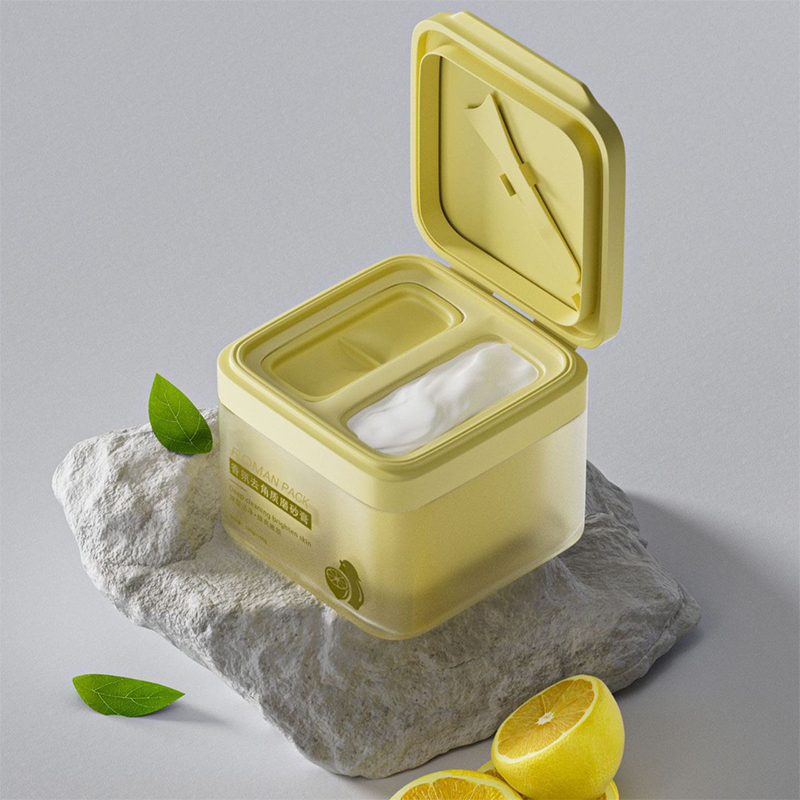
A plastic cosmetic jar is a container typically injection‑molded or blow‑molded from thermoplastic resins such as polypropylene (PP), polyethylene (PET, HDPE, LDPE), or acrylic (PMMA). Jars are available in numerous shapes: round, oval, square, rectangular, or custom designs, with capacities ranging from 3 ml sample sizes to 500 ml professional tubs. The screw‑type closure can be simple or feature child‑resistant (CRC) mechanisms, airless pumping, or double‑wall aesthetics. Unlike glass, plastic jars are lightweight, shatter‑resistant, and compatible with a wider range of dispenser systems. They also offer superior design flexibility, enabling multi‑color decoration, frosted look, metallization, and soft‑touch finishes that feel luxurious to the consumer.
Why Top Cosmetic Brands Choose Plastic Jars Over Alternatives
Unbreakable and Lightweight for Shipping and Travel
Glass jars are heavy and prone to breakage during transit, leading to product loss and customer disappointment. Plastic cosmetic jars are virtually unbreakable under normal use, reducing packaging waste and return rates. Their lighter weight also lowers shipping costs, an important factor for e‑commerce brands and subscription boxes. Consumers appreciate carrying travel‑size plastic jars without fear of leaks or shattering.
Excellent Compatibility with Sensitive Formulations
Many active skincare ingredients (retinol, vitamin C, niacinamide, peptides) can be degraded by oxygen or light. Plastic jars made from polypropylene (PP) or PET offer good chemical resistance and can be combined with barrier liners (foam or aluminium induction seals) and airless mechanisms. Airless plastic jars use a vacuum system that dispenses cream without letting air contact the remaining product, preserving potency for months after opening.
Endless Design and Decoration Possibilities
Plastic can be molded into almost any shape, enabling distinctive brand silhouettes. Decoration methods include offset printing, silk screen, hot stamping, shrink sleeves, in‑mold labeling, and metallization. Clear jars (PET or acrylic) showcase the product’s color and texture, while frosted or opaque jars convey luxury and protect light‑sensitive contents.
Sustainable Evolution: Recycled and Bio‑Based Materials
Environmental concerns have led to a surge in post‑consumer recycled (PCR) plastic jars, as well as bio‑based resins derived from sugarcane or starch. Many leading cosmetic brands now specify PP jars with 30‑70% PCR content. Unlike glass, plastic jars require less energy to melt and reform, and they can be designed for mono‑material recyclability.
Key Technical Parameters of Plastic Cosmetic Jars
| Parameter | Typical Description |
|---|---|
| Material options | PP (polypropylene), PET, PETG, PE (HDPE/LDPE), acrylic (PMMA), or co‑polymer blends |
| Capacity range | 3 ml (samples) to 500 ml (professional size); common sizes: 15 ml, 30 ml, 50 ml, 100 ml, 200 ml |
| Closure system | single or double wall cap, child‑resistant (CRC), turn‑to‑open, airless pump, disc cap, or flip‑top |
| Decoration | Silk screen, hot stamping, labeling, shrink sleeve, metallization, soft‑touch coating |
| Barrier features | Induction seal liner, foam liner, oxygen‑absorbing liner, or integrated airless piston |
| Compatible products | oil‑based creams, water‑based gels, thick butters, balms, serums, and powder masks |
| Application standards | Food contact compliant (FDA, EU), REACH, RoHS; some available with child‑resistant certification |
Different Types of Plastic Cosmetic Jars and Their Uses
Standard Screw Cap Jars
The most common and economical option. A plastic jar with a threaded neck and matching cap. Suitable for thick creams, butters, and balms. The addition of an induction seal liner provides tamper evidence and moisture barrier. These jars are ideal for brands launching on a budget or for private label products.
Airless Jars
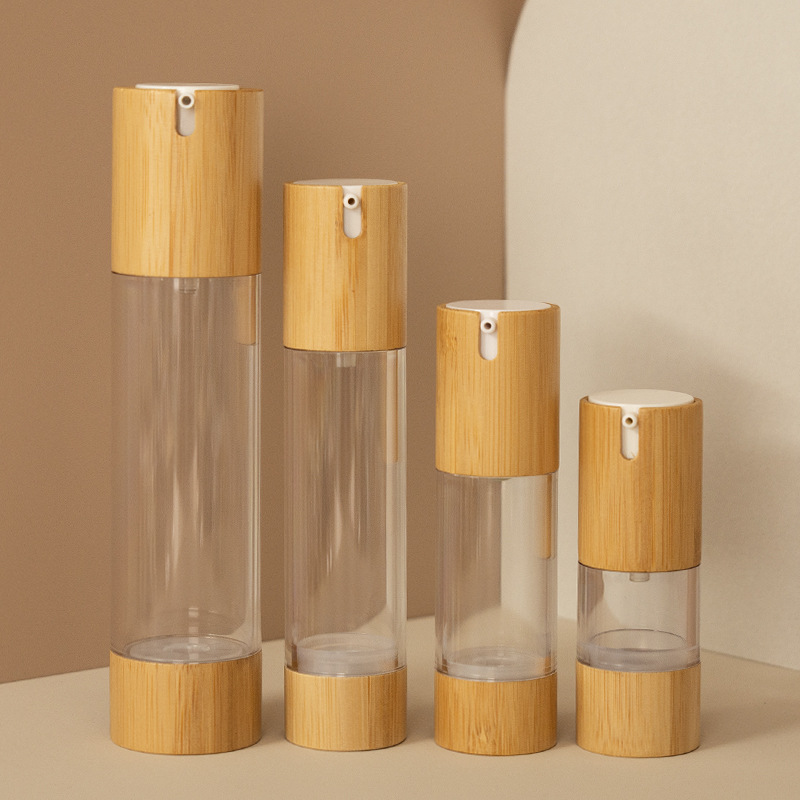
High‑performance packaging for oxygen‑sensitive formulas. The base contains a rising piston; as the pump is depressed, the piston moves upward, forcing product out. No air enters the container, extending shelf life and preserving activity of unstable ingredients. Airless jars are widely used for vitamin C serums, retinol creams, and anti‑aging treatments.
Double Wall Jars
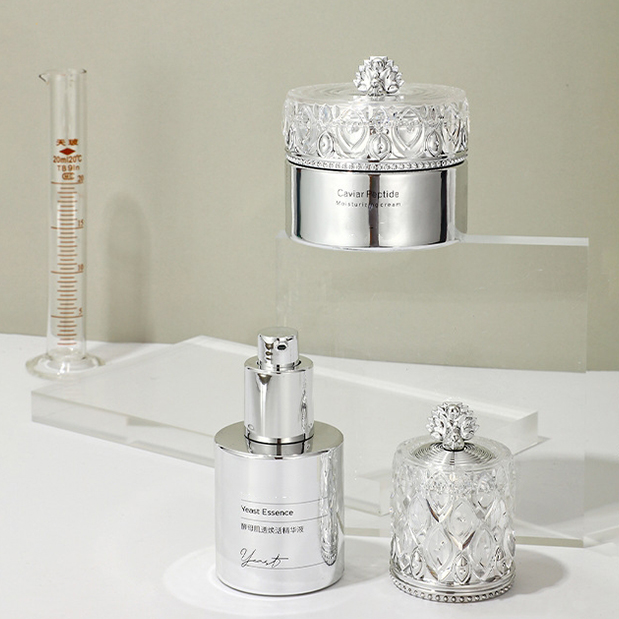
These jars consist of an inner container (holds the product) and an outer decorative shell, which can be clear, frosted, or colored. Double‑wall construction creates a premium, high‑end look while providing extra protection from UV light. Luxury brands often choose double‑wall jars to convey quality.
Child Resistant (CRC) Jars
For products containing retinoids, CBD, or other actives that could be harmful if ingested by children, CRC closures are required by regulations in many markets. CRC plastic jars feature a push‑down‑and‑turn mechanism and are available in PP or PE materials. They must pass specific protocol tests (e.g., 16 CFR 1700).
Selecting the Right Plastic Jar for Your Skincare Product
Consider Formula Viscosity and Sensitivity
Low viscosity lotions and serums are better suited to airless jars or bottles, while thick butters and balms perform well in standard wide‑mouth jars. For oxygen‑sensitive actives, always choose an airless system or a jar with oxygen barrier liner. Check material compatibility: some essential oils can degrade PET, while PP offers broader chemical resistance.
Assess Brand Identity and Target Market
Luxury skincare brands often opt for heavy‑wall, frosted, or double‑walled jars with metalized caps. Natural or clean beauty brands may emphasize PCR content and minimalist design. Ensure the jar shape, color, and decoration align with your overall brand language. Samples are essential to evaluate tactile feel and visual impression.
Understand Supply Chain and Minimum Order Quantities (MOQs)
Standard stock jars are available from many packaging suppliers with MOQs as low as 500–1000 pieces, ideal for startups. Fully custom jars with unique molds require higher MOQs (10,000+) and longer lead times (12‑16 weeks). Balance your budget and timeline with your desired level of differentiation.
Sustainability in Plastic Cosmetic Jars
The cosmetic industry is moving towards circular packaging. Many manufacturers now offer jars made from post‑consumer recycled (PCR) PP or PET, reducing reliance on virgin plastic. Mono‑material jars – where the body and cap are the same plastic type (e.g., all PP) – are easier to recycle in existing waste streams. Some brands have introduced refillable systems: a reusable outer jar that accepts replaceable inner refill pods, cutting plastic use by 70% or more. When evaluating a plastic jar’s eco‑profile, also consider lightweight design (less material) and the possibility of using bio‑based resins. However, always balance sustainability with product protection – a failed package that leads to product spoilage has a higher environmental footprint than a slightly heavier recyclable jar.
Regulatory and Quality Considerations
Plastic cosmetic jars intended for leave‑on or rinse‑off products must comply with regulations such as EU Cosmetic Regulation (EC) 1223/2009 and FDA standards for cosmetic packaging. This includes migration testing to ensure no harmful substances leach into the formula, especially for oily or alcoholic preparations. Quality control measures include dimensional checks, torque testing (cap removal force), leak testing, and drop testing. For airless jars, functional testing of the piston and pump mechanism is critical. Reputable suppliers provide certificates of analysis (COA) and, if needed, drug master files for jars used in OTC products.
Innovations Shaping the Future of Plastic Cosmetic Jars
Smart packaging is entering the beauty space: some jars now incorporate near‑field communication (NFC) chips to track usage and authenticate products. Another trend is post‑consumer recycled content from ocean‑bound plastics. Meanwhile, companies are developing dissolvable or compostable “bioplastic” jars for single‑use applications. For airless technology, improvements in piston materials have eliminated the need for metal springs, making them fully recyclable. These advancements mean the future of plastic cosmetic jars is not only about aesthetics but also about intelligent, sustainable protection of the precious formulas inside.
Conclusion: The Enduring Value of Plastic Cosmetic Jars
Plastic cosmetic jars are far from a generic commodity – they are sophisticated packaging solutions that balance protection, usability, design, and increasingly, environmental responsibility. Whether you formulate a delicate probiotic night cream, a rich body butter, or a medical ointment, there is a plastic jar engineered to meet your needs. By understanding material options, closure technologies, and sustainability trends, brand owners can make informed decisions that delight customers and align with regulatory standards. The plastic cosmetic jar, in its many forms, will continue to be a cornerstone of beauty packaging for years to come, evolving to meet both performance and planet‑friendly expectations.