English
 Español
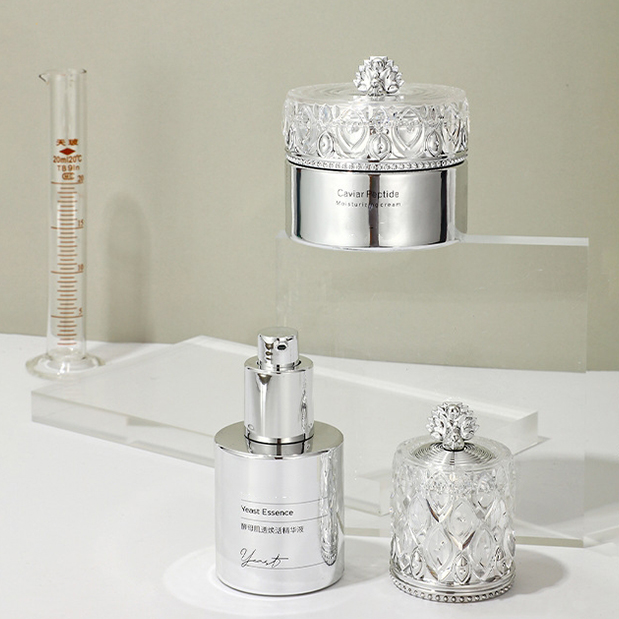
A glass lotion pump bottle consists of two primary components: a glass bottle or jar and a pump mechanism. The glass bottle is typically made from high-quality soda-lime glass or borosilicate glass, chosen for its clarity, chemical inertness, and durability. The pump mechanism, usually made from plastic and stainless steel, draws lotion, soap, or other liquids from the bottom of the bottle and dispenses it through a nozzle in a controlled, measured dose. The pump is sealed with a collar that screws onto the neck of the glass bottle, creating an airtight closure that protects the contents from contamination and oxidation. Some designs include a dip tube that extends to the bottom of the bottle, ensuring that nearly every drop of product can be dispensed. The combination of glass and pump creates a packaging solution that is both functional and luxurious, suitable for everything from daily hand soap in a family bathroom to high-end facial serums on a vanity counter.
The shift toward glass packaging in the personal care industry has been remarkable. According to industry data, the global glass packaging market for cosmetics and personal care is growing at approximately 5-7% annually, significantly outpacing growth in plastic packaging. Major brands, including Aesop, L'Occitane, Kiehl's, and The Body Shop, have embraced glass packaging as part of their brand identity and sustainability commitments. Smaller independent brands, particularly those in the natural and organic segments, almost universally choose glass for its ability to preserve sensitive formulations without the risk of chemical interaction. For consumers, glass lotion pump bottles represent a choice that aligns with their values: reducing plastic waste, avoiding potential toxins, and surrounding themselves with beauty in even the most mundane daily rituals. The following sections explore in depth why glass lotion pump bottles have become so popular and what factors should be considered when selecting these products.
Why Glass Outperforms Plastic for Lotion and Soap Dispensing
Chemical Inertness and Product Preservation
The single most important advantage of glass over plastic for lotion and soap packaging is its chemical inertness. Glass is non-porous and does not react with the products it contains. This means that no chemicals from the container leach into the lotion or soap, and no components of the lotion or soap are absorbed into the container. The product remains pure, unchanged, and effective from the first pump to the last. Plastic, in contrast, is not entirely inert. Many plastics contain additives such as plasticizers, stabilizers, and colorants that can migrate into the product over time. Some plastics can absorb fragrance oils or active ingredients from the product, altering its composition. Certain types of plastic can degrade when exposed to essential oils, acidic ingredients, or UV light, potentially releasing harmful compounds. For natural and organic skincare products, which often contain sensitive botanical extracts, essential oils, and active ingredients that can interact with plastic, glass is the only appropriate packaging material. For consumers concerned about exposure to endocrine-disrupting chemicals such as BPA and phthalates, which are sometimes found in plastic packaging, glass offers peace of mind. A glass lotion pump bottle ensures that what you put on your skin is exactly what the formulator intended, with no unwanted additives.
Impermeability to Oxygen and Moisture
Glass is virtually impermeable to gases and moisture. Once a glass bottle is sealed, oxygen cannot enter and moisture cannot escape. This is critically important for preserving the quality and extending the shelf life of lotions, creams, and soaps. Many skincare ingredients, including vitamins C and E, retinoids, plant oils, and botanical extracts, are susceptible to oxidation. When exposed to oxygen, these ingredients can degrade, losing their efficacy and potentially developing unpleasant odors or colors. Plastic, particularly the thin, flexible plastics used for many dispenser bottles, is permeable to oxygen. Over time, oxygen slowly migrates through the plastic wall of the bottle, oxidizing the product inside. The pump mechanism on a glass bottle also provides an excellent seal when closed, further limiting oxygen exposure. For consumers who buy products in larger sizes or who use products slowly, the superior barrier properties of glass ensure that the product remains fresh and effective for the entire time it is in use.
Aesthetic Appeal and Luxury Perception
There is an undeniable aesthetic difference between a glass lotion pump bottle and a plastic one. Glass feels substantial, cool, and smooth in the hand. It has weight and heft that conveys quality and permanence. The clarity of glass allows the color and texture of the product inside to be visible, adding to the sensory experience. A beautifully formulated lotion in a clear glass bottle with an elegant pump is a pleasure to see and use. Plastic, even when well-designed, cannot replicate the premium feel of glass. For bathrooms, kitchens, and vanity counters where appearance matters, glass lotion pump bottles elevate the space. They signal attention to detail, a commitment to quality, and an appreciation for beauty in everyday objects. For hotels, spas, and vacation rentals, providing amenities in glass bottles enhances the guest experience and reinforces the brand's positioning as premium or eco-conscious. For homeowners seeking to create a cohesive, stylish bathroom aesthetic, coordinating glass dispensers for soap, lotion, and other products create a unified, intentional look that plastic bottles cannot achieve.
Sustainability and Environmental Responsibility
As awareness of the plastic pollution crisis has grown, consumers have increasingly sought alternatives to single-use and even reusable plastic packaging. Glass offers significant environmental advantages over plastic. Glass is made from abundant natural materials: sand, soda ash, and limestone. It is fully recyclable and can be recycled indefinitely without loss of quality or purity. When a glass bottle is recycled, it can become another glass bottle, closing the loop and reducing the demand for virgin materials. Plastic, in contrast, is typically downcycled when recycled, meaning it becomes a lower-quality product that eventually ends up in a landfill. Most plastic is never recycled at all; according to the United Nations, only about 9% of all plastic ever produced has been recycled. The rest has been incinerated, landfilled, or released into the environment, where it persists for centuries, breaking down into microplastics that contaminate ecosystems and enter the food chain. Glass that is not recycled is inert and will eventually break down into sand, causing no environmental harm. For environmentally conscious consumers, choosing a glass lotion pump bottle is a tangible action that reduces plastic demand, supports recycling infrastructure, and contributes to a cleaner planet.
Key Technical Parameters for Glass Lotion Pump Bottles
The following table provides a concise overview of the key specifications for glass lotion pump bottles.
| Parameter | Typical Description |
|---|---|
| Product Name | Glass Lotion Pump Bottle |
| Glass Type | Soda-lime glass (most common) or borosilicate glass (premium) |
| Glass Color | Clear (flint), amber (UV protection), cobalt blue, green, or frosted |
| Bottle Capacity | 50ml to 1000ml (1.7oz to 34oz) |
| Neck Finish (Thread) | 24/410, 28/410, 32/410, 38/400 (standard sizes for pump compatibility) |
| Pump Mechanism | Plastic body (PP or ABS) with stainless steel spring and ball |
| Dispensing Volume | 0.5ml to 5ml per pump stroke (adjustable by pump design) |
| Dip Tube Length | Custom cut to bottle height for maximum product evacuation |
| Pump Locking Feature | Twist-to-lock or clip-on lock for leak-proof transport |
| Material Safety | BPA-free, phthalate-free, lead-free (for glass and pump components) |
| UV Protection | Amber or cobalt glass blocks 90-99% of UV light |
| Temperature Resistance | Glass: -20°C to +150°C; Pump: 0°C to +50°C |
| Closure Type | Screw collar (plastic or aluminum) with pump |
| Customization | Silk-screen printing, frosted finish, etched logo, colored glass |
| Recyclability | Glass: 100% recyclable; Pump: separate recycling (plastic and metal) |
| Typical Applications | Hand lotion, body lotion, facial cleanser, liquid soap, hand sanitizer, shampoo, conditioner, toner |
Choosing the Right Glass Lotion Pump Bottle
Understanding Glass Types and Their Properties
Not all glass is the same, and understanding the differences between glass types is important for selecting the right bottle for your product. Soda-lime glass is the most common type, used for the majority of food and beverage containers. It is clear, chemically resistant, and affordable. For most lotion and soap applications, soda-lime glass is perfectly adequate. Borosilicate glass, often sold under brand names such as Pyrex or Kimax, has higher thermal shock resistance and greater chemical durability. It is more expensive but may be warranted for products that are filled hot or that contain particularly aggressive ingredients. Amber glass contains iron and sulfur compounds that block ultraviolet light, protecting light-sensitive ingredients from degradation. Vitamin C, retinoids, and many botanical extracts are UV-sensitive and benefit from amber packaging. Cobalt blue glass also provides UV protection while offering a distinctive, attractive appearance. Clear glass allows the product's color to be visible, which can be appealing for aesthetically formulated products, but it provides no UV protection. Frosted or etched glass has a matte, translucent appearance that many consumers find elegant and luxurious. The frosting is typically achieved through acid etching or sandblasting and does not affect the barrier properties of the glass.
Pump Mechanisms: Quality and Compatibility
The pump mechanism is the most technically complex component of a glass lotion pump bottle, and its quality significantly affects user satisfaction. A good pump should dispense a consistent volume with each stroke, should not leak or dribble, and should continue to function reliably for the life of the bottle. The pump body is typically made from polypropylene or ABS plastic, chosen for their chemical resistance and durability. The spring and ball, which create the suction that draws liquid up the dip tube, are typically made from stainless steel to resist corrosion from lotions and soaps. Some pumps include a locking feature, usually a twist-to-lock or a clip that prevents the pump from being depressed during transport. This is essential for preventing leaks during shipping and for bottles that may be stored on their sides. The dip tube must be cut to the correct length for the bottle; a tube that is too long will curl at the bottom and may not reach the product, while a tube that is too short will leave product in the bottom of the bottle that cannot be dispensed. Many suppliers offer custom dip tube cutting to match specific bottle dimensions. When selecting a pump, it is also important to ensure that the neck finish (the thread size and pitch) matches the bottle. Common neck finishes for lotion pumps include 24/410, 28/410, and 32/410, where the first number indicates the diameter in millimeters and the second indicates the thread standard.
Filling, Sealing, and Compatibility Considerations
For manufacturers filling glass lotion pump bottles, there are several practical considerations. The filling process must be designed to avoid damaging the glass. Glass is more fragile than plastic, and breakage can occur if bottles are handled roughly or if the filling line is not properly adjusted. Many manufacturers use rubberized grippers or gentle handling systems for glass. The pump must be securely tightened to prevent leaks, but over-tightening can crack the glass neck. Torque-controlled capping equipment is recommended. The compatibility of the product with the pump components must be verified. Some lotions, particularly those containing high concentrations of essential oils or certain preservatives, can cause swelling or degradation of plastic pump components. Accelerated aging tests should be conducted to confirm compatibility. For products that will be shipped or stored in environments with temperature extremes, thermal shock resistance may be a concern. Borosilicate glass is more resistant to thermal shock than soda-lime glass and may be warranted for products that will be filled hot or exposed to freezing temperatures.
Applications Across Personal Care and Beyond
Bathroom and Vanity: The Daily Ritual
The most common application for glass lotion pump bottles is in the bathroom, on vanity counters, and near sinks. A glass dispenser for hand lotion or liquid soap transforms a mundane daily task into a small moment of luxury. The cool, smooth feel of the glass, the satisfying action of the pump, and the elegant appearance all contribute to a more pleasant experience. For homeowners who take pride in their bathrooms, coordinating glass dispensers for hand soap, lotion, mouthwash, and other products create a spa-like atmosphere. The durability of glass means that a high-quality dispenser can last for years, becoming a permanent fixture rather than a disposable item.
Kitchen: Soap and Dish Detergent Dispensers
Glass pump bottles are increasingly used in kitchens for liquid hand soap and dish detergent. The kitchen environment can be harsh on packaging, with exposure to grease, heat, and frequent handling. Glass is easy to clean and does not absorb odors or stains. A glass dispenser at the kitchen sink is more hygienic than a plastic bottle that may harbor bacteria in scratches or crevices. The weight and stability of a glass bottle also mean that it is less likely to be knocked over during busy food preparation.
Commercial and Hospitality: Elevating Guest Experience
Hotels, spas, bed and breakfasts, and vacation rentals have embraced glass lotion pump bottles as a way to elevate the guest experience while reducing plastic waste. A bathroom stocked with products in attractive glass bottles signals to guests that the establishment cares about quality and sustainability. For luxury properties, custom-printed or etched glass bottles with the property's logo reinforce branding and create a memorable impression. The durability of glass means that bottles can be reused multiple times, with the pump replaced as needed. For environmentally conscious properties, the switch from single-use plastic amenity bottles to refillable glass dispensers is a significant sustainability achievement.
The Sustainable Choice That Doesn't Compromise on Beauty
The glass lotion pump bottle has emerged as a preferred choice for consumers and brands who refuse to compromise between functionality, aesthetics, and environmental responsibility. With its chemical inertness, superior barrier properties, elegant appearance, and full recyclability, glass offers advantages that plastic cannot match. For skincare and personal care products, glass ensures that the formulation remains pure and effective, without risk of chemical leaching or degradation. For bathrooms, kitchens, and vanity counters, glass adds beauty and a sense of luxury to daily routines. For the planet, choosing glass over plastic reduces demand for fossil fuels, decreases plastic pollution, and supports a circular economy where materials are truly recycled rather than downcycled or discarded. While glass is heavier and more fragile than plastic, the benefits for product quality, user experience, and environmental impact far outweigh these minor inconveniences. For manufacturers, choosing glass packaging signals a commitment to quality and sustainability that resonates with today's discerning consumers. For consumers, choosing a glass lotion pump bottle for their home is a simple action that aligns their daily habits with their values. As the shift away from plastic continues to accelerate, the glass lotion pump bottle will undoubtedly remain a cornerstone of premium, sustainable personal care packaging. It is not merely a container; it is a statement about what matters: purity, beauty, and a commitment to a healthier planet. Whether for a luxury skincare line, a boutique hotel, or simply for a more beautiful bathroom at home, the glass lotion pump bottle is a choice that delivers on every level.