English
 Español
What Is a Cosmetic Jar?
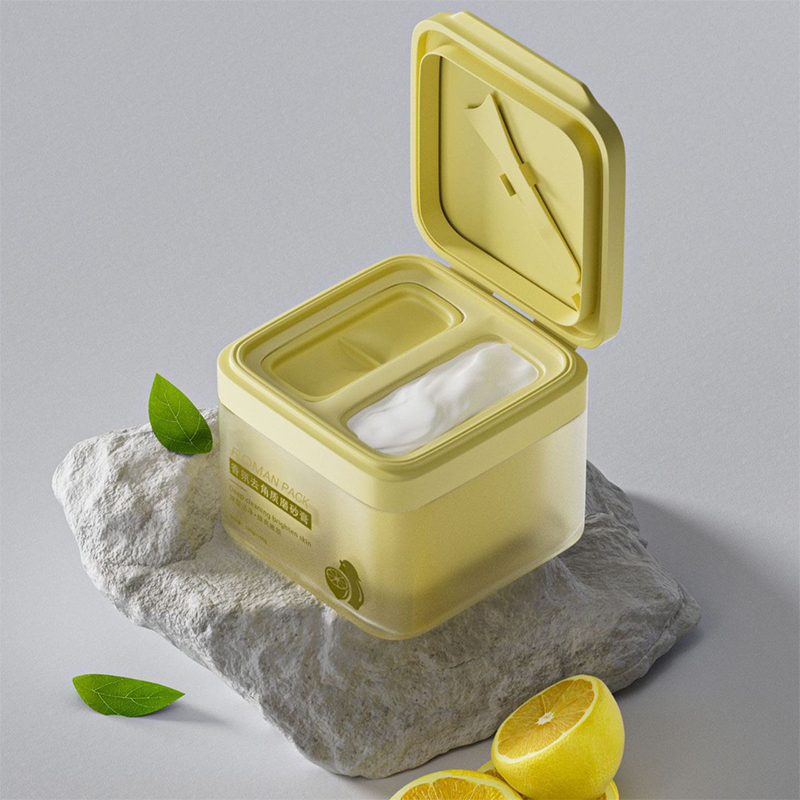
A cosmetic jar is a container with a wide opening and a removable lid, designed to hold semi-solid, viscous, or powdered cosmetic products. Unlike bottles, which have a narrow neck for pouring or pumping, jars allow the user to access the product directly with fingers or a spatula. This makes them ideal for thick creams, body butters, masks, scrubs, balms, and even loose powders.
Cosmetic jars are available in a variety of materials, with glass and plastic being the most common. Glass jars offer a premium feel, excellent barrier properties, and recyclability, while plastic jars are lightweight, shatterproof, and available in a vast array of shapes and colors. Some jars also feature innovative technologies such as airless systems, which use a vacuum to dispense the product without exposing it to air, extending shelf life and reducing contamination.
The lid or closure of a cosmetic jar is a critical component. It can be a simple screw cap, a hinged flip-top, or a decorative overcap that doubles as a design element. Liners or wads inside the lid provide an additional seal to prevent leakage and maintain product freshness.
Cosmetic jars can be customized with labels, silk-screening, hot stamping, embossing, or other decorative techniques to create a unique brand identity. They are available in standard sizes ranging from 5 ml to 500 ml or more, accommodating everything from sample sizes to bulk retail containers.
What Types of Cosmetic Jars Are Available?
The variety of cosmetic jars on the market is vast, and each type serves a specific purpose based on the product's consistency, usage, and preservation needs. Below are the most common types.
Glass Cosmetic Jars
Glass cosmetic jars are a timeless choice, known for their elegance, clarity, and chemical inertness. They do not react with the product, making them ideal for formulations with active ingredients, essential oils, or natural extracts that can be degraded by plastic. Glass also provides an excellent barrier against oxygen and moisture, protecting sensitive formulas.
Glass jars come in clear, amber, cobalt blue, or custom colors. Amber and cobalt blue offer UV protection, shielding light-sensitive ingredients from degradation. Glass jars can be decorated with frosting, etching, silk-screening, or labels, and they are often paired with metal or plastic caps. While heavier and more fragile than plastic, glass jars convey a premium image and are infinitely recyclable.
Plastic Cosmetic Jars
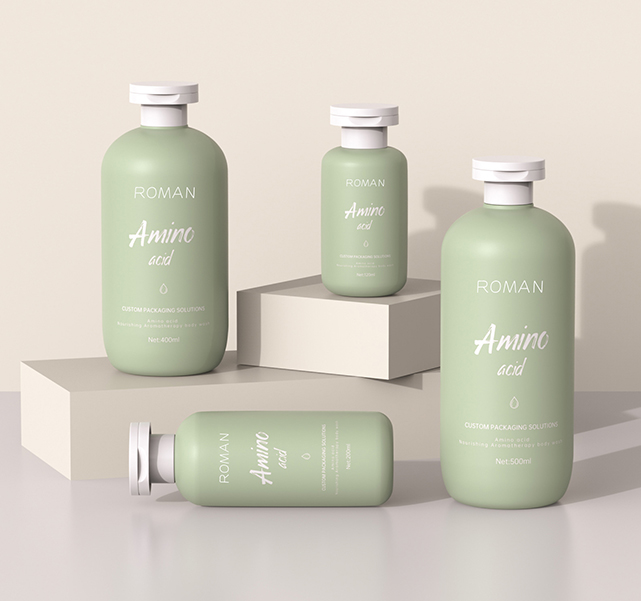
Plastic cosmetic jars are lightweight, durable, and cost-effective, making them the most popular choice for mass-market skincare and body care. They are shatterproof, which is a significant advantage for shipping and travel. Plastic jars are available in a wide array of materials, including PP (polypropylene), PET (polyethylene terephthalate), PETG, acrylic, and PS (polystyrene).
PP is widely used for its flexibility, chemical resistance, and recyclability. PETG offers clarity and gloss, making it a popular choice for products that benefit from visual appeal. Acrylic jars are scratch-resistant and have a glass-like appearance, often used for premium products. Plastic jars can be produced in nearly any color, with matte, glossy, or soft-touch finishes.
Many plastic jars are designed with a double-wall construction, creating the illusion of thick glass while maintaining lightness. They can also be equipped with airless pump systems or fitted with inner liners to improve barrier properties.
Airless Cosmetic Jars
Airless jars use a vacuum mechanism to dispense the product, typically through a small opening in the lid. As the pump is pressed, the bottom of the jar moves upward, pushing the product out and preventing air from entering. This technology is ideal for sensitive formulations that are prone to oxidation or contamination, such as vitamin C serums, retinols, and natural preservative systems.
Airless jars extend shelf life, reduce the need for preservatives, and provide a hygienic, controlled dispensing experience. They are available in both glass and plastic versions, though plastic airless systems are more common due to the complexity of the moving parts.
Double‑Wall Cosmetic Jars
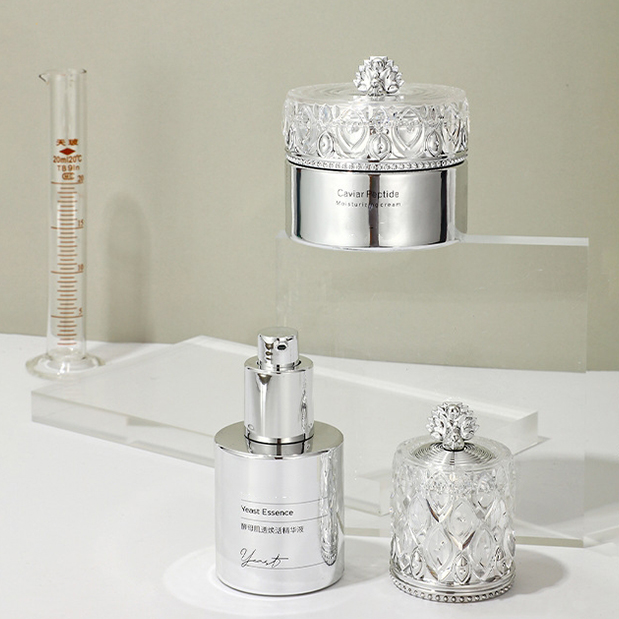
Double-wall jars consist of an outer shell and an inner liner, creating a cavity between them. This design gives the appearance of thicker, heavier glass while keeping the jar light and insulating. The air gap also provides some thermal insulation, which can be beneficial for heat-sensitive products. Double-wall jars are often made from acrylic, PETG, or glass, and they are popular for premium moisturizers and eye creams.
Tin and Metal Jars
Metal jars, typically made from aluminum or tin, offer a unique aesthetic and are lightweight yet durable. They are impermeable to light and oxygen, providing excellent protection for products. Metal jars are often used for balms, salves, and lip products, and they are fully recyclable. However, they are not transparent, so they do not show the product inside, and they may react with acidic formulations if not properly coated.
Bamboo and Sustainable Jars
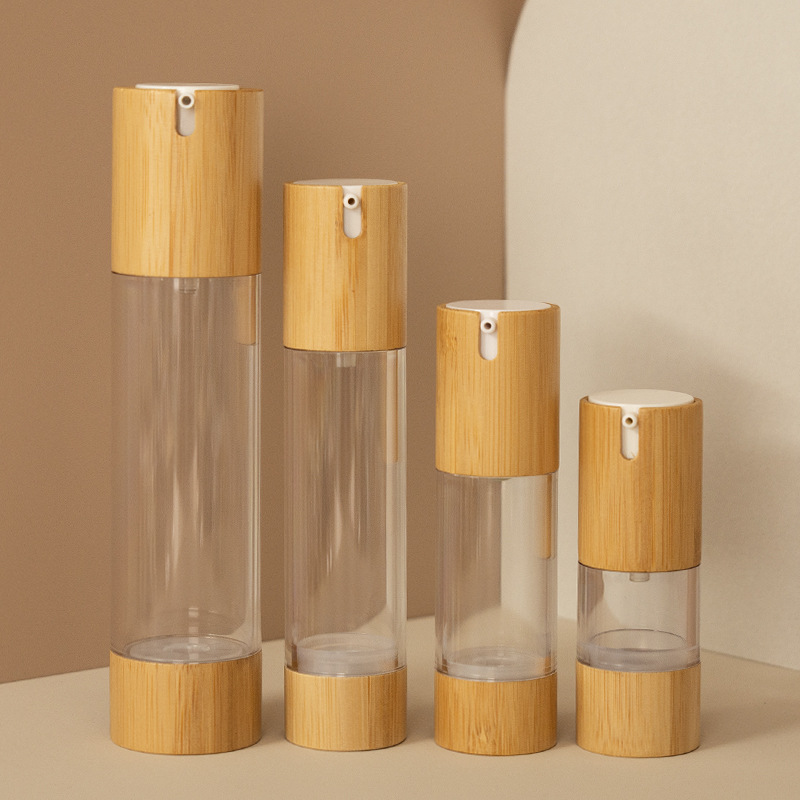
With the rise of eco-conscious consumers, sustainable materials like bamboo, sugarcane-based plastic, and paperboard have entered the cosmetic jar market. Bamboo jars consist of a bamboo outer shell with a plastic or glass inner liner, combining natural aesthetics with functionality. They are biodegradable and renewable, appealing to brands with strong sustainability commitments.
How Do You Choose the Right Cosmetic Jar for Your Product?
Selecting the perfect cosmetic jar involves balancing a variety of factors, from formulation requirements to brand positioning and operational considerations.
Product Formulation and Consistency: Thick creams, butters, and scrubs are best suited to jars with a wide opening for easy scooping. Fluid or gel-like products may be better served by bottles with pumps or droppers. Consider the viscosity and melting point of your product to choose a jar that allows convenient access.
Chemical Compatibility: Ensure that the jar material does not react with your formulation. Glass is inert and compatible with nearly all cosmetic ingredients. Plastic must be selected based on its resistance to oils, alcohols, and acidic compounds. PP and PET are generally safe for most skincare products.
Protection Needs: If your product contains light-sensitive ingredients (e.g., vitamin C, retinol, essential oils), choose amber or cobalt blue glass, or use an opaque plastic. For products prone to oxidation, consider airless jars or jars with an inner seal to minimize air exposure.
Barrier Properties: Glass provides an absolute barrier to oxygen and moisture. Standard plastic jars offer moderate barrier properties, which may be enhanced with EVOH layers or coatings. If shelf life is critical, prioritize materials with high barrier performance.
Brand Image and Aesthetic: The jar's appearance communicates your brand's values. Luxury brands often choose heavy glass with decorative finishes. Clean beauty brands may prefer minimalist glass or sustainable materials. Mass-market products may opt for colorful, lightweight plastic jars with custom branding.
Usability and Ergonomics: Consider the user experience: is the jar easy to open? Does the lid provide a good grip? Is the opening wide enough for fingers or a spatula? Is the jar stable on the shelf? These factors influence consumer satisfaction.
Cost and Supply Chain: Glass jars are more expensive to produce and ship due to their weight. Plastic jars are generally more economical. Custom shapes and decorations add to unit cost. Balance design ambition with budget and production volumes.
Sustainability Goals: If your brand prioritizes eco-friendliness, choose recyclable materials like glass, PP, or aluminum. Look for jars with recycled content or consider refillable systems to reduce waste. Avoid mixed materials that are difficult to recycle.
It is always advisable to test your product in the chosen jar under various conditions (temperature, humidity, light exposure) to ensure compatibility and stability before finalizing your packaging.
What Are the Advantages of Using Cosmetic Jars?
Cosmetic jars offer several unique benefits that make them a preferred choice for many skincare and body care products.
Ease of Access: The wide opening allows easy scooping or dipping, which is essential for thick, viscous products that cannot be poured or pumped. This also enables consumers to use the product completely, minimizing waste.
Versatility: Jars can accommodate a vast range of product types—from creams and butters to powders and scrubs—making them a one-stop packaging solution.
Premium Feel: Glass and heavy acrylic jars convey quality and luxury, enhancing the perceived value of the product. The tactile experience of a solid, weighty jar resonates with consumers seeking indulgence.
Customization Potential: Jars offer ample surface area for branding, decoration, and labeling. They can be molded into unique shapes, embossed, or coated to create a distinctive shelf presence.
Refillability: Many jar designs allow for easy refilling, whether through a replaceable inner cup or by simply purchasing a refill pouch. This aligns with sustainable consumption patterns.
Cost-Effective: Compared to complex dispensing systems like pumps or sprayers, jars with simple screw caps are often more affordable to produce and assemble.
These advantages explain why cosmetic jars remain a staple in the beauty industry, from drugstore shelves to luxury boutiques.
Cosmetic Jar Materials: A Detailed Comparison
Selecting the right material is crucial for both product protection and environmental impact. Here is a closer look at the most common materials.
Glass Jars
Pros: Inert, excellent barrier, recyclable, premium aesthetic, suitable for heat filling, reusable, UV protection in amber/blue.
Cons: Heavy, fragile, higher shipping costs, higher energy input in production.
Best for: High-end skincare, organic/natural formulations, sensitive actives, products requiring long shelf life.
Polypropylene (PP) Jars
Pros: Lightweight, shatterproof, good chemical resistance, recyclable, flexible, available in translucent/opaque.
Cons: Not as clear as glass or PETG, lower barrier to oxygen than glass.
Best for: Body butters, lotions, hair masks, mass-market products, travel sizes.
PETG Jars
Pros: Excellent clarity, glass-like appearance, lightweight, shatterproof, good chemical resistance.
Cons: Not as widely recyclable as PP or glass, moderate barrier.
Best for: Premium-looking plastic jars for creams, gels, and lotions.
Acrylic (PMMA) Jars
Pros: High clarity, scratch-resistant, attractive appearance, lightweight.
Cons: More expensive than other plastics, limited chemical resistance (not suitable for oily products).
Best for: Decorative packaging for creams and serums where visual appeal is paramount.
Aluminum/Tin Jars
Pros: Lightweight, impermeable, fully recyclable, unique aesthetic.
Cons: Opaque, can dent, may require inner coating for acidic products.
Best for: Balms, salves, lip products, travel-friendly packaging.
Bamboo/Composite Jars
Pros: Renewable, biodegradable, natural aesthetic.
Cons: Requires inner plastic or glass liner, limited decoration options, higher cost.
Best for: Eco-conscious brands, gift sets, natural beauty products.
Each material has its place, and the choice should align with your product's needs, your brand's values, and your target market.
Sustainability Considerations for Cosmetic Jars
Sustainability is no longer a niche concern—it is a mainstream expectation. Cosmetic jars, as primary packaging, have a significant environmental footprint, and brands are under pressure to reduce waste, use recycled content, and design for recyclability.
Recyclability: Glass jars are infinitely recyclable, and many are made with a high percentage of recycled content. PP and PET are widely recyclable in many regions, though recycling rates vary. Avoid mixed materials (e.g., metal lids with plastic bodies) that complicate sorting.
Lightweighting: Reducing the weight of glass or plastic jars lowers raw material usage and transportation emissions. Thin-wall designs and airless systems with thinner components are becoming more common.
Refillable Systems: Refillable cosmetic jars allow consumers to buy a refill pouch or cartridge and reuse the outer jar, significantly reducing packaging waste. Many luxury brands are adopting this model.
Post-Consumer Recycled (PCR) Content: Using PCR plastic in jars reduces the demand for virgin materials and supports the recycling economy. Some brands use 100% PCR PET or PP for their jars.
Biodegradable Materials: Bioplastics derived from corn or sugarcane are emerging, but they often require industrial composting and may not be widely accepted. Bamboo and paper composites offer natural alternatives.
End-of-Life Communication: Educating consumers on how to recycle or compost the jar is essential. Clear labeling with recycling symbols and disposal instructions encourages proper handling.
Brands that embrace sustainability in their cosmetic jar choices not only reduce their environmental impact but also build trust and loyalty with eco-conscious consumers.
Design and Decoration Trends in Cosmetic Jars
The aesthetics of cosmetic jars play a critical role in attracting consumers and differentiating brands. Current design trends reflect changing consumer preferences for minimalism, authenticity, and sensory experience.
Minimalist and Clean: Simple, uncluttered designs with soft, neutral colors and clear or frosted glass convey purity and simplicity. Labels are often small and discreet, letting the product and jar speak for themselves.
Textured Surfaces: Matte, sandblasted, or ribbed finishes provide a tactile, grippy feel that enhances the user experience and suggests quality. These finishes also hide fingerprints and smudges.
Soft-Touch Coatings: Plastic jars with soft-touch coatings feel velvety and luxurious, mimicking the tactile appeal of glass while remaining lightweight.
Bold Colors and Gradients: Vibrant, saturated colors and gradient effects are gaining popularity, especially for bold, modern brands. Custom-colored glass or plastic can be matched to brand palettes.
Vintage and Apothecary: Classic shapes, embossed lettering, and amber glass evoke a nostalgic, artisanal feel that appeals to natural and herbal skincare brands.
Sustainable Aesthetics: Unfinished, natural textures—like raw glass with visible mold seams or bamboo grain—signal authenticity and eco-friendliness.
Functional Decoration: Silk-screened measuring lines or dosage indicators on the jar add practicality and differentiate the brand.
Decoration techniques include silk-screening, hot stamping, pad printing, labeling, sleeving, and in-mold labeling. Choosing the right technique depends on the material, production volume, and desired durability.
How to Ensure Quality and Safety in Cosmetic Jars
Quality assurance for cosmetic jars is essential to prevent product contamination, leakage, and consumer dissatisfaction. Here are key quality parameters.
Closure Integrity: The lid or cap must fit securely and provide an effective seal. Liners or induction seals are often used to ensure freshness and prevent tampering.
Chemical Resistance: The jar material should be resistant to the product's chemical composition, including oils, surfactants, and organic acids. Compatibility testing is recommended.
Drop and Impact Resistance: Jars should withstand typical handling and shipping without cracking or breaking. Drop testing at various heights and temperatures helps determine durability.
Thermal Stability: If the product is filled hot, the jar must tolerate the filling temperature without distortion or leaching. Rapid temperature changes (thermal shock) should not cause cracking.
Leakage Testing: Jars should be leak-tested under pressure or vacuum to ensure no product escapes through the closure or seams.
Surface Quality: Check for scratches, bubbles, sink marks, or other visual defects that can affect appearance and structural integrity.
Regulatory Compliance: Ensure the jar material meets relevant regulations for cosmetic packaging, such as EU REACH, FDA, or California Proposition 65 regarding heavy metals and additives.
Work with reputable suppliers who have established quality management systems and can provide test reports and certifications upon request.
Cosmetic Jar vs. Cosmetic Bottle: Which Is Better?
The choice between a jar and a bottle is not always straightforward. Here is a comparison to help you decide.
Product Consistency: Jars are ideal for thick, semi-solid products like creams, butters, and masks. Bottles are better for fluids like lotions, serums, and toners that can be poured or pumped.
Dispensing Hygiene: Jars require the user to dip fingers or a spatula, which can introduce bacteria. Bottles with pumps or droppers minimize contamination by dispensing without direct contact. Airless jars address this by pushing product up without air entry.
User Experience: Jars offer a tactile, indulgent experience—dipping into a rich cream feels luxurious. Bottles provide convenience and precision, especially for controlled application.
Storage and Stability: Jars with wide openings allow exposure to air each time they are opened, which can degrade sensitive ingredients. Airless jars mitigate this. Bottles with narrow openings and pumps reduce air exposure.
Cost and Production: Jars are generally less expensive to produce than complex pump bottles, but they may require more material for the same volume. Bottles with pumps add component and assembly costs.
Many brands offer both formats to cater to different product lines and consumer preferences.
Frequently Asked Questions About Cosmetic Jars
What is a cosmetic jar?
A cosmetic jar is a wide-mouthed container with a removable lid, used to store and dispense skincare and personal care products such as creams, butters, masks, scrubs, and powders. They provide easy access to the product and are available in glass, plastic, metal, and sustainable materials.
What types of cosmetic jars are available?
Common types include glass jars, plastic jars (PP, PETG, acrylic), airless jars, double-wall jars, metal jars, and sustainable jars made from bamboo or bioplastics. Each type offers different benefits in terms of aesthetics, protection, and sustainability.
Why choose a glass cosmetic jar over plastic?
Glass jars are inert, provide an absolute barrier to oxygen and moisture, protect against UV light (when colored), and are infinitely recyclable. They offer a premium look and feel. However, they are heavier and more fragile than plastic.
What is an airless cosmetic jar?
An airless jar uses a vacuum mechanism that pushes product up from the bottom as the pump is pressed, preventing air from entering the container. This extends shelf life, reduces oxidation, and minimizes contamination, making it ideal for sensitive formulas.
How do I choose the right cosmetic jar for my product?
Consider product viscosity, sensitivity to light and oxygen, desired user experience, brand image, cost, and sustainability goals. Also test compatibility of the material with your formulation and ensure proper closure integrity.
Are plastic cosmetic jars recyclable?
Many plastic jars, especially those made from PP and PET, are recyclable in most curbside programs. Check local recycling guidelines. Recycling rates vary, and some complex plastic materials may not be widely accepted.
What are double-wall cosmetic jars?
Double-wall jars consist of an outer shell and an inner liner, creating an insulating air gap. They give the appearance of a heavy, thick glass jar while being lightweight, and they provide some thermal protection.
Can cosmetic jars be refilled?
Yes, many brands offer refillable cosmetic jars where the inner cup or pouch can be replaced, allowing the outer jar to be reused. This reduces waste and is aligned with sustainable consumption.
What is the best material for a cosmetic jar for sensitive actives?
For light- and oxygen-sensitive ingredients, amber or cobalt blue glass provides the best protection. Airless jars, whether glass or plastic, also help prevent oxidation by minimizing air contact.
How do I ensure my cosmetic jar is leak-proof?
Use a properly designed closure with a suitable liner or gasket. Conduct leak testing under various pressure and temperature conditions. Work with a supplier who offers sealing validation.
Are metal cosmetic jars safe for all products?
Metal jars, such as aluminum, are generally safe, but acidic or salty formulations may react with uncoated metal. An internal coating or a plastic insert is recommended for reactive products.
What is the typical capacity range for cosmetic jars?
Cosmetic jars are available from 5 ml for samples to 500 ml or more for bulk retail. The most common sizes for skincare are 15 ml, 30 ml, 50 ml, 100 ml, and 200 ml.
Can I customize the shape and color of my cosmetic jar?
Yes, custom molds allow you to create unique shapes, and glass or plastic can be colored to your brand's specifications. Decoration options such as silk-screening, labels, and embossing provide further personalization.
Are there sustainable alternatives to traditional cosmetic jars?
Yes, options include glass with recycled content, PP with PCR content, bamboo-shell jars, and compostable bioplastics. Refillable systems are also a growing sustainable trend.
How do I store products in cosmetic jars to maximize shelf life?
Keep jars in a cool, dry place away from direct sunlight. Use clean fingers or a spatula to avoid contamination. Close the lid tightly after each use to minimize air exposure.