English
 Español
The cosmetic jar is one of the most fundamental packaging decisions a beauty brand makes. It communicates brand values before the product is ever opened, protects the formula from contamination and degradation, and determines how conveniently consumers can access and use the product every day. Plastic cosmetic jars offer the most practical combination of lightweight durability, cost efficiency, and formulation compatibility for the broadest range of products. Bamboo cosmetic jars deliver a premium natural aesthetic that resonates strongly with eco-conscious consumers. Glass cosmetic jars provide the best barrier protection and the most luxurious sensory experience, but require careful handling and shipping considerations. Each material has a genuinely different performance profile, and the right choice depends on the formula, the target consumer, the sustainability positioning, and the price point of the finished product. This guide covers all three in detail to help brands and formulators make well-informed decisions.
What a Cosmetic Jar Must Actually Do
Before comparing materials, it is worth establishing what a cosmetic jar must accomplish as a functional package. All three materials are evaluated against the same performance requirements, and the differences in how well each meets them determine which is appropriate for a specific product.
Formula Protection
A cosmetic jar must protect the formula from oxygen, moisture vapor, light, and microbial contamination throughout the product's shelf life and period of use. Oxygen and light trigger oxidation of active ingredients including vitamins C and E, retinoids, and natural oils, degrading efficacy and generating off-odors. Moisture vapor exchange can alter product consistency. Microbial contamination in a jar that consumers repeatedly access with their fingers requires the formula to be adequately preserved, but jar material selection can reduce contamination opportunity through lid seal quality and surface non-porosity.
Formula Compatibility
The jar material must not react with the formula it contains. High-concentration essential oils, acidic formulas, oxidizing actives, and formulas containing alcohol or solvents must be checked for chemical compatibility with the jar material, particularly for plastic and bamboo composite jars. Glass is chemically inert to virtually all cosmetic formulations, making it the benchmark against which other materials are evaluated for compatibility.
Consumer Experience
The jar should allow easy, hygienic access to the product, communicate quality at the point of sale, and feel appropriate in the hands of the target consumer. Weight, surface texture, visual clarity or opacity, lid mechanism quality, and the sound of the lid closure all contribute to the perceived value of the product and influence repurchase behavior. In the premium skin care market, packaging experience is a documented driver of consumer satisfaction ratings, with consumers consistently rating glass and bamboo packaging higher in perceived quality than plastic at equivalent price points.
Plastic Cosmetic Jar: Versatility and Performance Across All Price Points
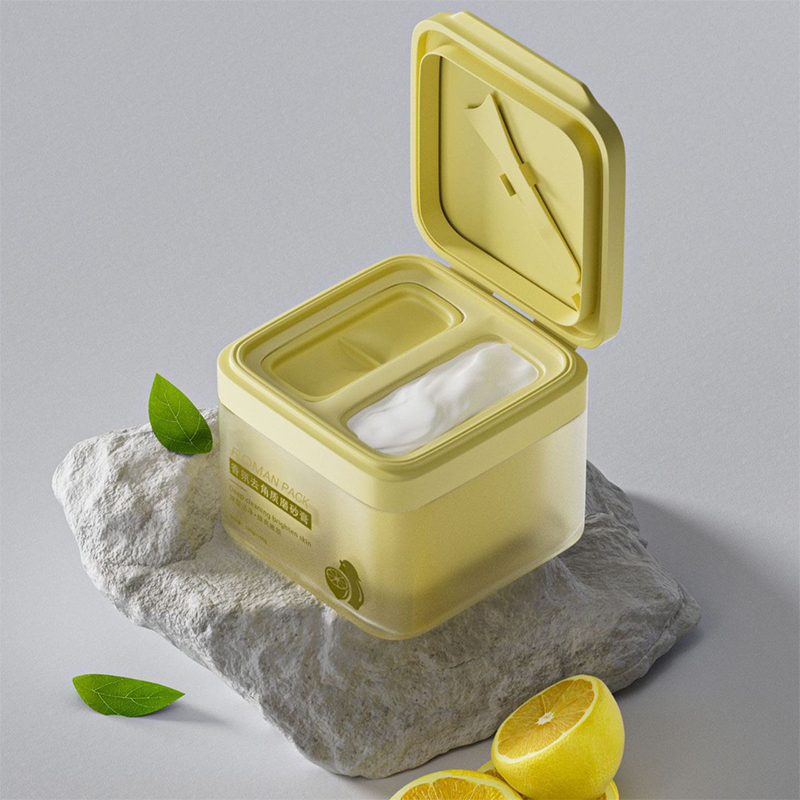
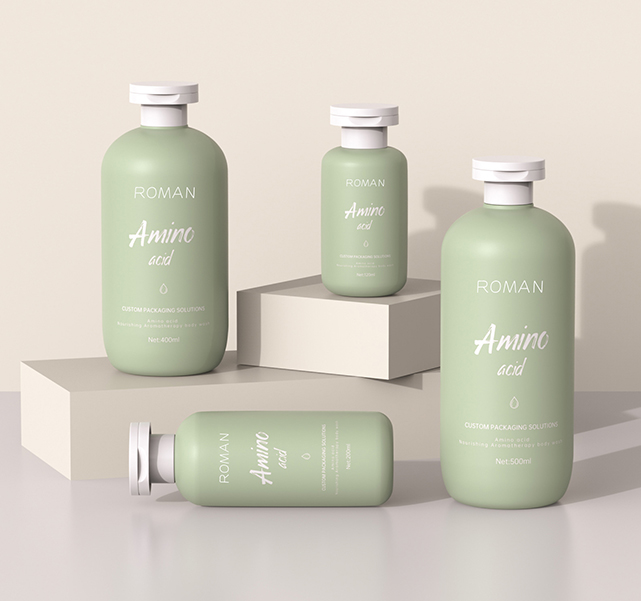
Plastic cosmetic jars represent the largest volume segment of the global cosmetic jar market, used across every product category from mass market body butter to professional skin care. The term plastic covers a wide range of polymer types, each with distinct optical, chemical, and mechanical properties that make them suitable for different cosmetic applications.
Polymer Types and Their Characteristics
- PET (Polyethylene Terephthalate): Produces clear, glass-like jars with excellent oxygen barrier properties compared to other transparent plastics. PET is widely recycled in consumer collection systems, making it the most credible plastic choice for brands communicating recyclability. Suitable for creams, serums, and gel-textured products.
- PP (Polypropylene): The most commonly used plastic for cosmetic jar bodies and lids. Excellent chemical resistance, food-safe, compatible with a wide range of preservative systems, and available in both opaque and translucent forms. PP jars are the standard specification for body creams, face creams, and hair products at mid-range price points.
- ABS (Acrylonitrile Butadiene Styrene): A rigid, impact-resistant plastic used in premium plastic jar constructions. ABS accepts high-quality surface finishes including chrome-effect metallization, matte soft-touch coating, and UV lacquer, allowing plastic jars to achieve a visual quality closer to glass at significantly lower material cost and weight.
- PMMA (Polymethyl Methacrylate or Acrylic): Produces optically clear jars with a visual resemblance to glass. PMMA is heavier and more brittle than PET but achieves higher optical clarity and is used in premium transparent cosmetic jars where glass weight is a shipping concern.
- PCR Plastics (Post Consumer Recycled): Recycled content versions of PET, PP, and HDPE available for brands seeking to reduce virgin plastic content. PCR content typically ranges from 25% to 100% depending on supply availability and quality requirements. UK Plastics Packaging Tax requires a minimum of 30% recycled content in plastic packaging to avoid the tax charge, making PCR plastic jars increasingly important for UK market products.
Advantages of Plastic Cosmetic Jars
- Shatter resistance: Plastic jars will not break if dropped, which is a significant practical advantage in bathroom environments and during shipping. Breakage in transit causes product loss, contamination risk, and customer dissatisfaction that cannot occur with plastic packaging.
- Lowest unit cost: High-volume injection-molded plastic jars achieve unit costs typically 40 to 70% lower than equivalent glass jars at comparable quantities, making them the enabling packaging for affordable product price points.
- Lightweight: Plastic jars weigh significantly less than glass, reducing shipping cost per unit and lowering the product's transport carbon footprint per delivery.
- Design flexibility: Plastic can be injection-molded into a wider range of shapes, wall thicknesses, and integrated features than glass or bamboo, allowing more differentiated packaging designs at lower tooling cost.
- Wide decoration options: Screen printing, hot stamping, in-mold labeling, metallization, and label application all work effectively on plastic surfaces.
Limitations of Plastic Cosmetic Jars
- Perceived as lower quality compared to glass or bamboo in the premium and natural beauty segments, even when the plastic jar is well-made and functionally equivalent
- Standard plastic jars are produced from fossil-derived raw materials, creating a sustainability narrative challenge for brands targeting eco-conscious consumers without moving to PCR or bio-based plastics
- Some high-concentration essential oil or solvent-based formulas can interact with specific plastic types, requiring compatibility testing before commercial production commitment
Bamboo Cosmetic Jar: Natural Aesthetics With Engineering Complexity
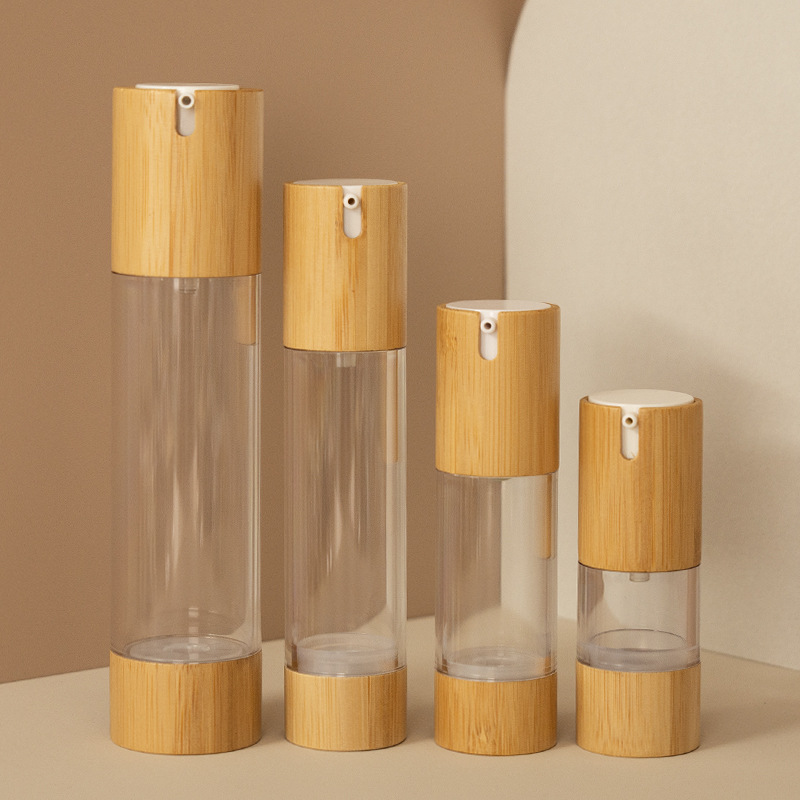
Bamboo cosmetic jars are a composite packaging format in which bamboo material forms part or all of the visible exterior of the jar, creating a warm, natural, and distinctly premium visual identity. The term bamboo jar covers a range of constructions that differ significantly in how bamboo is used, how much plastic or other material is present, and what performance characteristics result.
Construction Types in Bamboo Cosmetic Jars
Understanding the construction of a bamboo cosmetic jar is essential for evaluating its actual sustainability credentials and functional performance:
- Bamboo sleeve over plastic inner: The most common construction. A turned or pressed bamboo outer shell is fitted over a conventional plastic jar body, and the lid may be capped with a bamboo disc over a plastic base. The product-contacting surfaces are all plastic, providing full chemical compatibility and moisture barrier function, while the bamboo exterior delivers the natural aesthetic. This construction typically contains 60 to 80% plastic by weight despite its bamboo appearance.
- Bamboo-polypropylene composite molded jar: Finely milled bamboo fiber is compounded with polypropylene resin and injection-molded into a jar body that is genuinely a single composite material rather than bamboo veneer over plastic. The bamboo fiber content is typically 30 to 50% by weight. These jars have a distinctive matte speckled surface that is visually recognizable as a composite material rather than solid bamboo, but they are structurally consistent and can be produced in conventional injection molding equipment with minor process adjustments.
- Solid bamboo jar: Turned from solid bamboo culm sections and sealed with food-grade lacquer or wax. True solid bamboo jars are genuinely natural and biodegradable but have significant limitations in moisture resistance, dimensional stability, and suitability for wet formula contact. They are best suited to dry cosmetic products such as face powder, solid perfume, or pressed pigment products where moisture contact is minimal.
Bamboo as a Material: Sustainability Context
Bamboo is frequently cited as one of the most sustainable plant materials available for industrial use. It grows extremely rapidly, with some species maturing for harvest in as little as 3 to 5 years compared to 20 to 50 years for timber tree species. It requires no pesticides or irrigation in typical growing regions, sequesters significant amounts of carbon during growth, and regenerates from its root system after cutting without replanting. For bamboo sleeve-over-plastic constructions, these sustainability attributes apply to the bamboo component but not to the plastic inner. For bamboo composite jars, the sustainability benefit is proportionate to the bamboo fiber content relative to the polymer binder.
Advantages of Bamboo Cosmetic Jars
- Premium natural aesthetic: The warm grain, texture, and color variation of bamboo creates a visual identity that resonates strongly with natural, organic, and wellness-positioned beauty brands. Bamboo packaging consistently tests higher in consumer perceived quality surveys within the natural beauty category.
- Brand differentiation on shelf: Bamboo jars stand out clearly in retail environments dominated by plastic and glass packaging, creating immediate visual distinction that does not require explanation or label communication to register with consumers.
- Renewable material story: For brands communicating sustainability credentials, bamboo provides a genuinely renewable feedstock narrative that bio-based plastic cannot yet match in consumer recognition and comprehension.
- Warmth and tactile quality: Natural bamboo surfaces are warm to the touch in a way that plastic cannot replicate, creating a product experience that aligns with the sensory expectations of premium natural beauty consumers.
Limitations and Practical Considerations
- Moisture sensitivity of natural bamboo surfaces: Untreated or inadequately sealed bamboo surfaces can absorb moisture, causing swelling, splitting, or mold development in humid bathroom environments. Quality bamboo cosmetic jars require adequate sealing with moisture-resistant lacquer or oil treatment, and end-use care instructions may be needed for consumer guidance.
- Higher cost than standard plastic: Bamboo cosmetic jars typically cost 2 to 4 times more than equivalent plastic jars, which limits their application to mid-premium and premium product price points where the packaging cost can be absorbed in the retail price margin.
- Natural variation: The grain, color, and texture of bamboo varies between individual pieces, which means that jars in the same batch will not be visually identical. Brands and consumers who expect the consistent uniformity of plastic or glass packaging may find bamboo's natural variation challenging to accept at a quality control level.
- End-of-life complexity in composite constructions: Bamboo sleeve-over-plastic jars cannot be recycled in standard consumer plastic recycling streams because the bamboo and plastic components are bonded together and cannot be easily separated. Brands choosing this construction should have a clear end-of-life communication strategy and ideally a take-back or return program for consumers.
Glass Cosmetic Jar: Premium Protection and Uncompromised Luxury Positioning
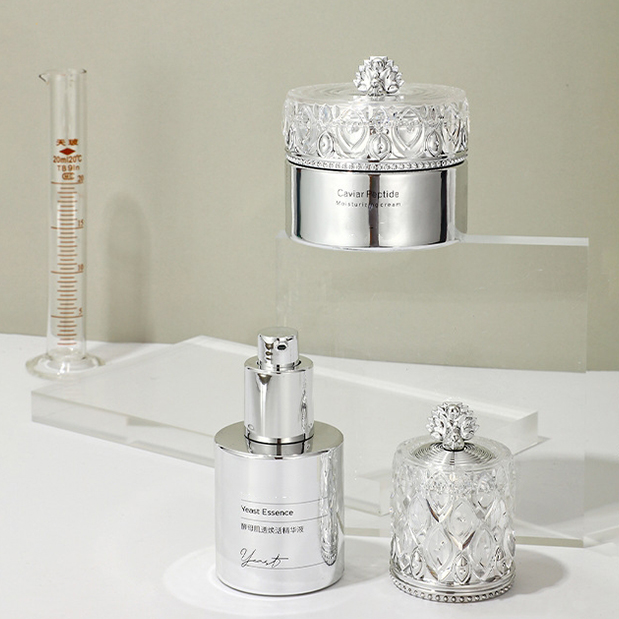
Glass cosmetic jars are the packaging format of choice for the global luxury skin care market, and their dominance in premium brands is not accidental. Glass delivers a combination of barrier performance, chemical inertness, perceived quality, and surface decoration quality that no other cosmetic jar material can currently match. The premium skin care segment including prestige moisturizers, eye creams, and treatment concentrates is almost universally glass-packaged because the material communicates quality in a way that resonates with consumers paying $100 and above for a single product.
Glass Types Used in Cosmetic Jars
- Soda-lime glass: The most widely used glass type for cosmetic jars. Clear soda-lime glass is the standard material for most cosmetic jar applications and is fully recyclable in glass collection streams. Available in clear, amber, and green tints, with clear being the most widely specified for skin care to display product color and texture.
- Borosilicate glass: A higher-specification glass with superior thermal shock resistance and chemical durability. Used in pharmaceutical and cosmeceutical products where the formula contains highly reactive actives that could potentially interact with soda-lime glass over extended contact periods. Borosilicate glass jars are significantly more expensive than soda-lime equivalents and are primarily used in clinical or dermatologist-grade skin care positioning.
- Treated or coated glass: Clear glass jars treated with UV-blocking surface coatings, sandblasted for a frosted appearance, or coated with metallic or colored lacquers. UV-treated glass is important for formulas containing photosensitive actives, providing a degree of light protection without switching to amber glass which changes the visual presentation of the product.
Why Glass Performs Best as a Formula Barrier
Glass has a moisture vapor transmission rate (MVTR) and oxygen transmission rate (OTR) that are effectively zero under normal conditions. No measurable gas or vapor passes through the glass wall of a sealed jar. This makes glass the superior barrier material for formulas containing volatile actives, oxidation-sensitive ingredients, and products with long shelf life targets of 24 to 36 months. The oxygen transmission rate of glass is essentially 0 cc per m2 per 24 hours at standard conditions, compared to measurable transmission rates in all plastic materials even at high barrier grades. For formulas where oxidative stability is a clinical claim, glass is the packaging specification that best supports the stability data.
Advantages of Glass Cosmetic Jars
- Unmatched consumer perception of quality: Glass consistently receives the highest quality scores in consumer testing of cosmetic packaging across all demographic groups, particularly in the 35 to 65 age range who represent the primary purchasers of premium skin care. The weight, coolness to touch, and visual clarity of glass trigger quality associations that influence purchasing decisions.
- Complete chemical inertness: Glass does not interact with any standard cosmetic formula, eliminating the need for compatibility testing beyond checking the lid and liner materials. This simplifies the regulatory compliance process for new product launches.
- Recyclability without quality loss: Glass is infinitely recyclable in existing municipal glass collection systems without any degradation in material properties. This genuine closed-loop recyclability is a meaningful sustainability credential when communicated accurately to consumers.
- Superior surface decoration quality: Silk-screen printing, hot foil stamping, sandblasting, acid etching, ceramic printing, and metallic lacquering all achieve their highest quality results on glass, allowing decoration standards that position the product as a luxury object as well as a functional cosmetic.
- Refillability: Glass jars withstand the washing, sterilization, and refilling cycles required for brand refill programs, which are an increasingly important component of luxury beauty sustainability strategies. The durability of glass over multiple refill cycles is a practical advantage that plastic jars cannot always match.
Limitations of Glass Cosmetic Jars
- Breakage risk: Glass shatters when dropped on hard surfaces. In bathroom environments where wet surfaces increase the likelihood of dropping products, breakage risk is a genuine consumer safety consideration, particularly in households with children.
- Higher shipping cost and carbon footprint per unit: Glass is approximately 5 to 8 times heavier than plastic packaging of equivalent volume. This increases shipping cost per unit, requires more protective secondary packaging to prevent breakage in transit, and increases the transport carbon footprint compared to equivalent plastic-packaged products at the same retail weight.
- Higher unit cost: Glass cosmetic jars cost 2 to 5 times more than equivalent plastic jars at comparable quantities, which limits their use to products with retail price points that can absorb the packaging cost without compressing margins below viability.
- Longer minimum order quantities and lead times: Custom glass jar production involves glass mold investment and production scheduling at glass manufacturing facilities, typically requiring minimum order quantities of 5,000 to 20,000 units and lead times of 10 to 16 weeks for custom shapes.
Direct Comparison: Plastic vs Bamboo vs Glass Cosmetic Jars
| Attribute | Plastic Cosmetic Jar | Bamboo Cosmetic Jar | Glass Cosmetic Jar |
|---|---|---|---|
| Barrier Performance | Good (varies by polymer) | Good (plastic inner dependent) | Excellent (near zero OTR) |
| Shatter Resistance | Excellent | Good (bamboo sleeve protects) | Poor (breaks on hard surfaces) |
| Consumer Perceived Quality | Moderate | High (natural beauty segment) | Highest (luxury segment) |
| Relative Unit Cost | Lowest | 2 to 4x plastic | 2 to 5x plastic |
| Recyclability | Depends on polymer and local system | Difficult (composite construction) | Excellent (infinite cycles) |
| Shipping Weight | Lightest | Moderate | Heaviest |
| Best Brand Positioning | Mass to mid-market | Natural, eco, wellness premium | Luxury, clinical, prestige |
| MOQ Flexibility | Lowest (500 to 1,000 units) | Moderate (500 to 3,000 units) | Highest (5,000 to 20,000 units custom) |
Matching Cosmetic Jar Material to Product Type
The formula type should always be the first filter in cosmetic jar selection, before brand aesthetics or cost considerations. Some formulas have specific packaging requirements that narrow the material options regardless of other factors:
- Retinol and vitamin C formulas: These oxidation-sensitive actives benefit from glass or high-barrier PET jars with UV protection. Clear glass without UV coating accelerates degradation of these actives. Amber glass or UV-coated clear glass are preferred specifications for high-concentration retinoid and vitamin C products.
- Natural and organic formulas with essential oils: High-concentration essential oils can interact with some plastic types over time, causing extractable migration or plasticizer leaching. Glass or thoroughly compatibility-tested polypropylene are the safest substrate choices for natural formulas with significant essential oil loads above 2% total concentration.
- Body creams and hair masks in large formats (200ml and above): Plastic is the practical specification at these volumes where glass weight becomes prohibitive for consumer handling and shipping cost. PCR or bio-based plastic options address sustainability credentials at scale.
- Dry formulas: pressed powder, solid perfume, and mineral makeup: Solid bamboo jars are genuinely suitable for dry cosmetic products where moisture contact is minimal. The aesthetic is unmatched by any other material for these product categories and the moisture sensitivity of bamboo is not a concern when the product itself is dry.
- Premium eye cream and serum concentrates: Glass jars in small formats of 15ml to 30ml are the standard specification for products in this category. The combination of small volume, high retail value, clinical active ingredients, and premium consumer expectations aligns completely with the attributes of glass packaging.
Lid and Closure Considerations for All Three Jar Types
The lid is as important as the jar body in determining the overall package performance. A high-quality glass jar with a poorly fitting lid that admits oxygen defeats the purpose of selecting glass for its barrier properties. The lid should seal cleanly, feel premium and purposeful when opened and closed, and be specified from a material that is compatible with the jar material and with the formula being contained.
Inner Liner Selection
All three jar types should include an inner liner in the lid that provides the primary seal between the lid and the jar rim. Common liner materials include:
- PE foam liner: Provides a soft, compressible seal suitable for most cosmetic creams and lotions. Economical and widely available. Not suitable for high-solvent or high-oil formulas where the foam can absorb product or degrade.
- PP pulp liner: A firmer liner suitable for products with higher alcohol or essential oil content. More chemically resistant than PE foam.
- Aluminum-faced liner: A foil-faced liner providing the best barrier against volatile loss and oxygen ingress. Specified for premium formulas with sensitive actives and for products targeting longer shelf life claims of 24 months and above.
Always specify the inner liner material alongside the jar and lid in packaging specifications, and ensure that the liner is included in compatibility testing alongside the jar material to confirm the complete package system is appropriate for the formula.
How to Make the Final Decision on Cosmetic Jar Material
The selection process can be simplified by working through a structured set of questions that eliminate inappropriate options before the final comparison:
- What is the formula's sensitivity to oxygen and light? High sensitivity formulas with retinoids, vitamin C, or natural oils belong in glass or high-barrier plastic with UV protection. Low sensitivity formulas like basic moisturizers are suitable for any material.
- What is the retail price point of the product? Products retailing below $25 require plastic for margin viability in most market contexts. Products retailing above $50 can support glass or premium bamboo. Products between $25 and $50 are the most contested range where bamboo composite jars often provide the best combination of differentiation, cost, and sustainability narrative.
- What is the brand's primary sustainability claim? Recyclability claims are best supported by glass or single-resin plastic. Renewable material claims are best supported by bamboo. Reduced fossil plastic claims are best supported by PCR plastic. Mismatching the jar material to the sustainability claim creates greenwashing risk.
- What distribution channel and shipping method will be used? Direct to consumer shipping with high drop and vibration exposure favors plastic. Retail channel distribution with controlled handling supports glass. International shipping over long distances significantly favors plastic or bamboo composite for freight cost reasons.
- What is the production volume and launch timeline? Low volumes below 2,000 units and rapid launch timelines favor plastic or bamboo composite using stock molds. High volumes with established timelines support the investment in custom glass or custom plastic tooling.
The right cosmetic jar is the one that best serves the formula it contains, aligns with the brand identity it represents, and delivers the consumer experience that justifies its price point in the target market. No single material is universally superior: each excels in its appropriate application, and brands that match material to application thoughtfully rather than defaulting to one material across all products are those that build the most coherent and credible packaging programs over time.
```