English
 Español
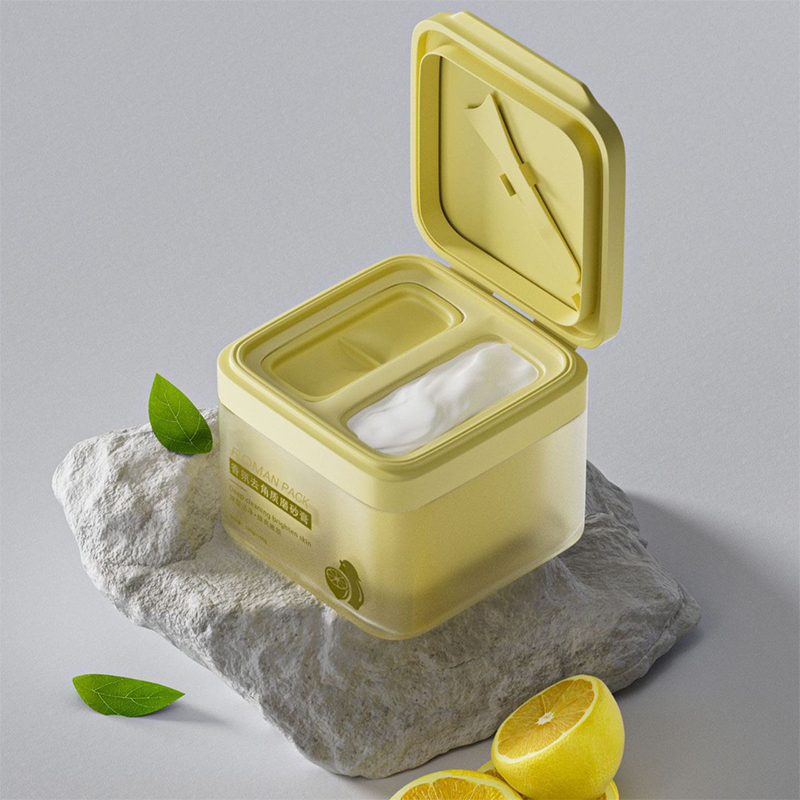
The global beauty and skincare industry relies heavily on high-performance packaging to ensure that advanced formulations remain stable, safe, and visually appealing to consumers. Among the various packaging formats available, the plastic cosmetic jar is one of the most versatile and widely utilized containers for creams, gels, masks, and balms. Sourcing the ideal container is a complex engineering task that goes far beyond simple aesthetics. Packaging designers and skincare brands must carefully evaluate the chemical compatibility of polymers, the physical barrier requirements of active ingredients, and the structural integrity of closure mechanisms.
Selecting the incorrect packaging material can lead to product degradation, chemical leaching, and premature moisture loss, which ultimately compromises the efficacy of the skincare formula. By understanding the detailed science of polymer chemistry, structural design, and environmental sustainability, brands can select the ideal plastic cosmetic jar that protects product integrity while delivering a premium user experience.
Understanding the Chemistry of Polymers in Skincare Packaging
The physical behavior and chemical resistance of a plastic cosmetic jar are determined entirely by the molecular structure of the polymer used in its manufacturing. Skincare brands must analyze the distinct properties of different plastic families to ensure they select a material that can withstand the complex chemical environments of their formulations.
Acrylic Plastic as a Luxury Glass Alternative
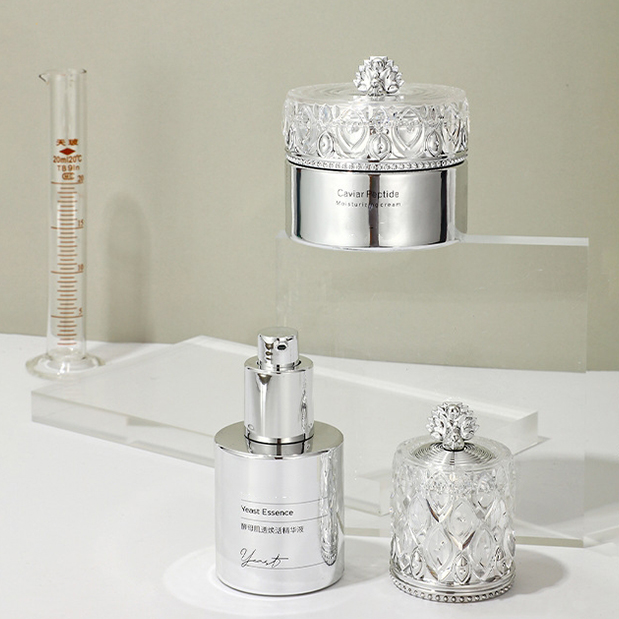
Acrylic, which has the chemical name polymethyl methacrylate, is highly valued in the luxury cosmetic sector for its exceptional optical clarity and premium, heavy feel. This polymer can be molded with thick walls that mimic the high-end appearance of glass, providing a sophisticated backdrop for premium anti-aging creams and prestige moisturizers. Acrylic is highly shatterproof and resists scratching much better than other clear plastics, ensuring that the container maintains its pristine, glossy finish throughout its shelf life on retail shelves and vanity tables.
Despite its visual advantages, pure acrylic has some chemical limitations that packaging engineers must manage. It possesses moderate chemical resistance and can be vulnerable to stress cracking when exposed to formulations that contain high concentrations of alcohol, volatile essential oils, or specific organic solvents. To exploit the luxurious aesthetic of acrylic while ensuring chemical safety, manufacturers frequently utilize a double-walled design, where the outer jar is molded from clear acrylic and the inner cup is made from a highly resistant polymer that remains in direct contact with the skincare product.
Polyethylene Terephthalate for Outstanding Clarity and Chemical Safety
Polyethylene terephthalate, which is widely referred to as PET, is a strong, lightweight, and transparent polymer that belongs to the polyester family. It is highly favored for skincare products that require excellent visual clarity, such as colorful gel masks, exfoliating scrubs, and translucent body creams. PET provides a highly effective barrier against moisture and atmospheric oxygen, helping to prevent the oxidation of active ingredients and extending the shelf life of the formulation.
From a structural perspective, PET exhibits exceptional impact strength and is highly resistant to shattering, making it an excellent choice for products intended for use in wet environments like bathrooms and showers. It is also highly compatible with a wide range of cosmetic ingredients, showing excellent resistance to diluted acids, bases, and aliphatic hydrocarbons. Furthermore, PET is one of the most widely recycled plastics globally, allowing beauty brands to meet their sustainability goals without sacrificing the visual clarity and mechanical performance of virgin materials.
Polypropylene for Superior Chemical Resistance and Multi Layer Formulations
Polypropylene, which is often abbreviated as PP, is a semi-crystalline thermoplastic polymer known for its outstanding chemical resistance and high thermal stability. PP is highly inert, meaning it does not react with or leach chemical substances into sensitive skincare formulations, even when exposed to high temperatures during transport or storage. This chemical neutrality makes PP the absolute standard material for the inner liners of double-walled jars, as well as for single-walled containers housing organic, preservative-free, or medical-grade creams.
The molecular structure of PP allows it to resist stress cracking when exposed to complex lipids, essential oils, and active botanical extracts, providing a highly reliable barrier for almost any skincare product. However, PP is naturally translucent or opaque rather than crystal clear, which can limit its use in applications where showcase clarity is required. To overcome this visual constraint, packaging designers often select PP for opaque white or custom-colored jars, or they utilize modern clarifying additives that improve the transparency of the polymer while preserving its superior chemical resistance.
Evaluating Formulation Compatibility and Barrier Requirements
The primary function of any cosmetic container is to act as a protective barrier that shields the delicate skincare formulation from environmental degradation while preventing the loss of volatile ingredients. Packaging engineers must evaluate the specific sensitivities of the formula to select the appropriate plastic cosmetic jar configuration.
Mitigating Active Ingredient Degradation and Air Exposure
Modern skincare formulations often rely on highly sensitive active ingredients, such as vitamin C, retinol, and complex peptide chains, to deliver visible results. These active compounds are highly susceptible to oxidation and degradation when exposed to atmospheric oxygen, moisture, and ultraviolet light. When these elements penetrate the container, they initiate chemical reactions that neutralize the active ingredients, causing the product to change color, lose its efficacy, and develop an unpleasant odor.
To protect these sensitive formulas, brands can implement several packaging modifications on their plastic cosmetic jar. Utilizing opaque or amber-colored plastics helps block harmful ultraviolet light rays from reaching the product, while introducing UV-absorbing additives directly into the polymer resin during the molding process provides additional protection for transparent containers. For highly oxygen-sensitive creams, the integration of airless jar designs, which utilize a sliding piston mechanism to dispense the product without exposing the internal chamber to air, offers a highly effective solution that preserves the potency of the active ingredients over long periods.
Essential Oil and Acid Compatibility in Polymer Jars
Skincare products frequently contain diverse botanical extracts, synthetic fragrances, essential oils, and organic acids, such as alpha hydroxy acids and salicylic acid, which can be highly aggressive toward certain plastics. When these active compounds come into contact with incompatible polymers, they can cause a phenomenon known as environmental stress cracking, where the plastic develops microscopic fractures that eventually lead to physical leaking and structural failure of the jar.
Additionally, incompatible plastics can absorb volatile essential oils and fragrance compounds from the formulation, a process known as scalping. Scalping not only reduces the aroma profile of the product but can also cause the plastic cosmetic jar to lose its structural stiffness and become warped. To prevent these issues, packaging manufacturers perform rigorous compatibility testing, submerging the selected plastic material in the actual skincare formulation inside heated chambers for several weeks to monitor for chemical weight loss, swelling, stress cracking, or changes in polymer viscosity.
Structural Designs and Closure Mechanisms of Plastic Cosmetic Jars
The physical architecture of a plastic cosmetic jar must provide a secure, airtight seal to prevent product leakage, maintain moisture levels, and protect the formulation from consumer contamination during daily use.
Threaded Screw Caps and Hermetic Seal Liners
The closure system is the most critical interface of any cosmetic jar, acting as the primary barrier against the entry of air and moisture. Most plastic jars utilize a threaded screw cap design, which relies on mechanical friction to compress a sealing liner against the rim of the jar. The pitch and depth of the threads must be precisely engineered to ensure that consumers can open and close the jar easily while maintaining a consistent and reliable seal.
To achieve a truly hermetic seal, manufacturers incorporate specialized liners beneath the screw cap. Common liner options include PE foam liners, pressure-sensitive liners, and induction foil seals. Induction foil seals are particularly popular for retail distribution, as they are thermally fused to the rim of the jar using electromagnetic heat after the container is filled. This process creates an absolute physical barrier that prevents any leakage during high-altitude shipping, while also providing consumers with visual tamper-evident security that guarantees the product has not been opened prior to purchase.
Double Walled vs Single Walled Jar Configurations
When designing a plastic cosmetic jar line, brands must choose between single-walled and double-walled configurations, which offer vastly different functional and aesthetic advantages. Single-walled jars are molded as a single layer of plastic, resulting in a lightweight, cost-effective, and highly modern container. These jars are ideal for body scrubs, bath salts, and mass-market moisturizers where shipping weight and raw material costs are primary considerations, while also providing a smaller carbon footprint due to reduced material volume.
Double-walled jars consist of an outer jar and an inner cup, which are manufactured separately and subsequently assembled. This configuration allows brands to combine the visual prestige and structural rigidity of a thick-walled outer jar, often made of clear acrylic, with the superior chemical safety of an inner cup molded from PP. The air gap between the two walls also provides excellent thermal insulation, protecting sensitive organic formulations from rapid temperature fluctuations during transport. This multi-material design allows for creative visual layering, such as custom color-matching the inner cup to create a beautiful floating effect within a crystal-clear outer container.
Comparative Analysis of Core Plastic Packaging Materials
To assist packaging engineers and brand managers in selecting the most appropriate polymer for their specific skincare formulations, the table below provides a detailed qualitative comparison of the leading plastic packaging options used in the beauty industry.
|
Polymer Material |
Visual Appeal and Clarity |
Chemical Compatibility |
Resistance to Impact |
Ideal Skincare Formulations |
|---|---|---|---|---|
|
Acrylic PMMA |
Outstanding, glass like transparency and luxury feel |
Moderate, vulnerable to essential oils and alcohols |
High resistance to shattering, prone to surface scratches |
Premium anti aging creams and high end eye gels |
|
Polyethylene Terephthalate PET |
High clarity, glossy and transparent finish |
Good, highly resistant to mild acids and water |
Excellent drop strength and flexibility |
Gel masks, body scrubs, and translucent lotions |
|
Polypropylene PP |
Semi crystalline, translucent to opaque matte look |
Superior, highly inert and resistant to solvents |
Excellent, highly flexible and crack resistant |
Organic creams, preservative free serums, and inner cups |
|
Post Consumer Recycled PET |
Translucent with a slight grey or green tint |
Good, matches the properties of virgin PET |
Excellent, robust physical barrier |
Eco friendly moisturizers and sustainable body creams |
|
Post Consumer Recycled PP |
Opaque with variable color consistency |
Superior, highly resistant to chemical stress |
Excellent, highly durable and flexible |
Sustainable facial scrubs, bath salts, and thick masks |
Sourcing Sustainable Polymers for Eco Friendly Branding
Modern consumers are highly conscious of the environmental impact of plastic packaging, which has prompted beauty brands to search for sustainable material alternatives that do not compromise on functional performance or product safety.
Incorporating Post Consumer Recycled Resins in Skincare Jars
Utilizing post-consumer recycled plastics, widely known as PCR, has emerged as one of the most effective strategies for reducing the environmental footprint of cosmetic packaging. PCR materials are sourced from discarded consumer products, such as plastic water bottles and milk jugs, which are collected, sorted, thoroughly washed, and decontaminated before being pelletized back into food-grade and cosmetic-grade resins.
When manufacturing a plastic cosmetic jar using PCR materials, brands can select PCR PET or PCR PP to replace virgin resins completely or in specific percentage blends, such as thirty percent, fifty percent, or even one hundred percent recycled content. While using PCR is an excellent way to divert plastic waste from landfills and reduce carbon emissions, it does present some aesthetic challenges. PCR resins can exhibit minor color variations, a slight grey or yellow tint, and tiny black spots caused by trace organic impurities. To manage these visual defects, beauty brands often choose opaque colors, implement matte surface textures, or use outer decorations that celebrate the recycled nature of the material, turning an environmental challenge into a positive brand story.
Plant Based Bioplastics for Carbon Neutral Packaging
An emerging alternative to fossil-fuel-based plastics is the development of bio-based polymers, which are synthesized from renewable agricultural resources like sugarcane, corn starch, or vegetable oils. These bioplastics, such as bio-PET and polylactic acid, offer a identical molecular structure and performance profile to traditional petroleum-based plastics, ensuring complete chemical compatibility and barrier performance.
Because bio-based plastics are derived from plants that absorb carbon dioxide from the atmosphere during their growth cycle, their production carbon footprint is significantly lower than that of traditional plastics. Many of these bio-derived resins can be processed on standard injection molding machines without requiring any modifications to the existing tooling, allowing manufacturers to transition to sustainable packaging seamlessly. This ease of manufacturing ensures that brands can deliver eco-friendly skincare lines with high-performance packaging that maintains the exact same weight, clarity, and strength as standard virgin plastic cosmetic jar options.
Production Molding Technologies and Quality Assurance
Achieving consistent quality and flawless aesthetic finishes on a plastic cosmetic jar requires precise control over the injection molding process and a rigorous regime of quality control testing.
Injection Molding Precision and Surface Finishes
The manufacturing of a plastic cosmetic jar is primarily executed using high-precision injection molding machinery. During this process, the selected polymer pellets are melted inside a heated barrel and injected under immense pressure into a custom steel mold, where the liquid plastic cools and solidifies into the final shape of the jar.
To achieve the diverse visual designs required by beauty brands, the molded jars can undergo several secondary decoration processes. Frosting treatments can be applied to give clear plastic jars a luxurious, diffused appearance, while soft-touch coatings provide a velvety, non-slip texture that enhances the premium feel of the packaging. Silk-screen printing and hot foil stamping are utilized to apply precise, highly durable branding logos and ingredient lists directly onto the outer wall of the jar, ensuring that the graphics do not scratch or peel off when exposed to water or product oils during daily consumer use.
Testing Protocols for Leakage and Structural Integrity
To ensure that the finished packaging performs reliably throughout the entire product lifecycle, manufacturers must conduct rigorous mechanical and environmental testing on every production batch of plastic cosmetic jars.
The most critical test is the vacuum leak test, where assembled and filled jars are placed inside a sealed chamber and subjected to a deep vacuum for a specified duration. This test simulates the extreme pressure changes experienced during air cargo transport and high-altitude shipping, verifying that the threaded closure and internal liner maintain a perfect, airtight seal without any weeping or leakage. Additionally, drop tests are conducted from various heights to evaluate the impact resistance of the polymer, while torque testing measures the exact rotational force required to open and close the cap. These rigorous testing protocols ensure that when a consumer purchases a skincare product, the plastic cosmetic jar performs flawlessly, preserving the quality of the formula and reflecting the high standards of the brand.